
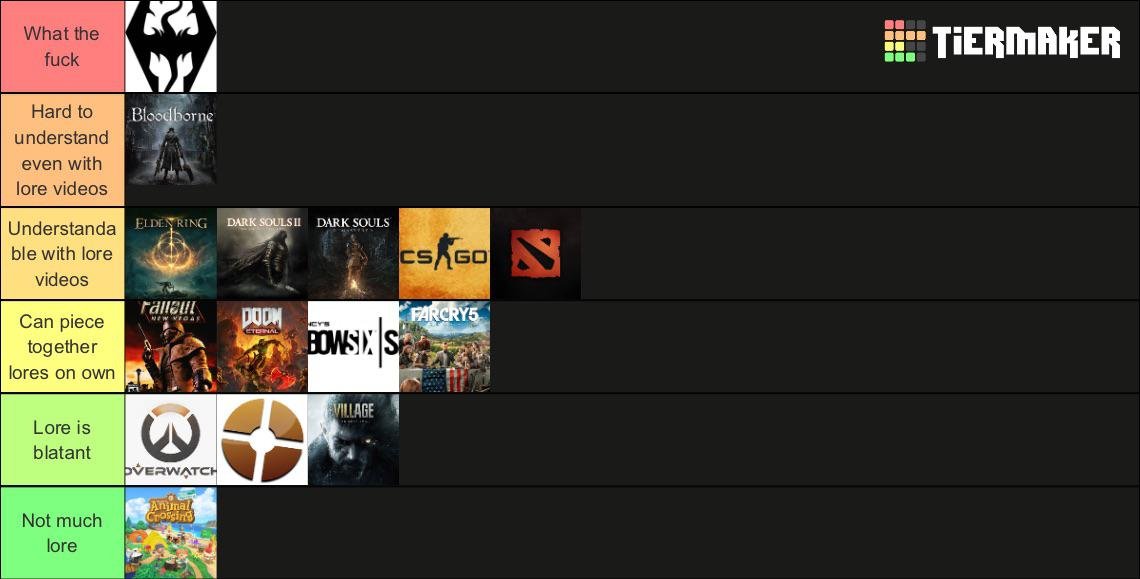
Lore in games refers to the established history, background, and mythology of the game’s world and its characters.
Ever wondered about the rich tales and hidden histories that make your favorite game worlds feel so alive? Many gamers find themselves asking, “what does lore mean in games?” It’s more than just the game’s immediate story; it’s the deep, often intricate, narrative tapestry woven behind the scenes.
Think of it as the game’s secret language, a collection of stories, events, and relationships that help you understand why things are the way they are. This lore builds the world and gives context to the character’s journey you embark on.

What Does Lore Mean in Games?
Have you ever played a game and felt like you were stepping into a whole new world? A place with its own history, its own characters, and its own rules? That feeling, that sense of a deeper world beyond what’s right in front of you, that’s largely thanks to something we call “lore.” But what exactly is lore in games? It’s more than just the story; it’s the foundation of everything that makes a game’s world feel real and engaging.
The Basics: Understanding Game Lore
At its core, game lore is the backstory, the history, and the mythology of a game’s universe. Think of it like the secret diary of a world. It’s the “why” behind everything you see and do in the game. It explains:
- Why certain places exist: Why is there a spooky forest? Why is there a giant, glowing city in the sky? Lore provides the reasons.
- Why characters act the way they do: Why is that knight so grumpy? Why is the princess so brave? Lore gives characters motivation and background.
- Why the world is the way it is: Did a great war break out? Did a magical event change everything? Lore answers these questions.
Game lore isn’t always given to you in one big chunk. It’s often revealed bit by bit as you play, like piecing together a puzzle. This makes exploring the game world more exciting and rewarding, because the more you play, the more of the world’s secrets you get to uncover.
Components of Game Lore
Game lore is built from a bunch of interconnected pieces, like building blocks. Some of the main components include:
History
This is the timeline of events that have shaped the game world. It’s like reading a history book about that specific world. For example:
- The rise and fall of ancient civilizations.
- Epic wars that changed the landscape.
- Important discoveries or inventions.
Knowing the history gives you context for current events in the game. Why are certain factions at war? Why are some ruins in such bad shape? The answers are usually found in the game’s history.
Mythology and Religion
Many games have their own gods, myths, and religious beliefs. These systems can impact the culture of the game world and give us insight into character motivations. Consider:
- Stories about the creation of the world.
- The pantheon of gods and their powers.
- Common rituals and beliefs that influence everyday life.
Mythology and religion often provide a moral compass for the world and can lead to interesting conflicts and character growth. When a character believes strongly in something, it makes their actions more impactful and makes the player more invested in the game.
Characters and Factions
The people (or creatures) that inhabit the game world play a huge role in the lore. Each character, from the main hero to the smallest side character, has their own background and motivations. Factions are groups of characters that are organized and share a similar goal or belief. Some things to think about are:
- Individual character backstories. Where did they come from? What are their personal struggles?
- How do different groups relate to one another? Are they friends or enemies?
- What motivates them to act the way they do?
Learning about the characters and factions gives depth to the game. It’s not just about completing tasks; it’s about interacting with characters who have their own life experiences.
Worldbuilding and Setting
The setting is more than just a backdrop. It’s a character itself, with its own story told through its architecture, landscape, and hidden secrets. Consider these points:
- The environment, including the geography, cities, towns, and wilderness.
- The atmosphere of the world, like whether it is optimistic, bleak, dangerous, or peaceful.
- The presence of magical elements, technologies, or fantastical things, and how they fit into the world.
When the game setting feels alive and real, it is because the developers have taken the time to construct a unique and detailed world for the players to be immersed in. The lore makes the setting seem even more impactful.
How Lore is Presented in Games
Game lore isn’t always handed to you directly. Game creators use different ways to present it, making it part of the fun of playing:
In-Game Dialogue
Talking to non-player characters (NPCs) is one of the most common ways to learn about lore. They can share stories, rumors, and insights about the world. Pay attention to what they say because often it has deeper meanings that you may need to uncover. Often the same line of dialogue spoken in different locations, or at different times may have a new meaning depending on the context.
Item Descriptions
Even a seemingly ordinary object can have a story attached to it. Weapon descriptions, armor details, even potion labels can offer pieces of lore. These little snippets of information help you see the world from different viewpoints and sometimes are the only source of information of some of the most important events of the history. If you are a lore enthusiast, make sure to read every description, because each of them can carry secrets.
Environmental Storytelling
The world around you can tell stories all by itself. Abandoned buildings, broken statues, and other environmental elements can provide clues about the past. This lets you figure out what happened without someone telling you directly.
Cutscenes
Cinematic cutscenes sometimes fill in the backstory and explain important plot points. These are usually some of the most important story parts and should be carefully watched to understand the full meaning and context.
Books and Documents
Many games include books, scrolls, and other readable documents that you can find and read. These documents often contain deeper details about the history and lore of the game world, helping you understand more about the past.
Art and Music
The visual art and music of a game can also contribute to its lore. The style of architecture, the character designs, and the music used in different scenes can all help reinforce the feeling and mood of the game’s story and history.
Why Lore Matters in Games
Now that we have looked at how lore is composed and how it is presented, let’s explore why it is so important.
Immersion
A strong lore makes the game world feel more real and believable. When a world feels real, you become more invested in the characters and the story. This can take a game from something you just play into an experience you remember for a long time. Lore creates a deeper connection to the game itself.
Engagement
Learning about the lore can be just as engaging as playing the game itself. As the player explores the world, they will find more about the hidden stories. This creates a sense of reward for players who take the time to explore the game in more detail, encouraging exploration.
Emotional Connection
Well-developed lore can make you care about characters and their struggles. You’re not just playing a game; you’re connecting with individuals and factions. Because of this connection, players will feel more emotionally invested in the game, making a stronger impact when playing and remembering the game.
Unlocking Deeper Meaning
Lore can add layers of depth to the game. It provides context, subtext, and hidden meanings that can be interpreted in different ways. This allows players to form their own interpretations and gives the game more meaning.
Examples of Games with Great Lore
Lots of games have great lore, but some stand out more than others. Here are a few of those examples:
The Elder Scrolls Series
The Elder Scrolls has a vast and detailed world with a rich history spanning thousands of years. Each region, race, and faction has its own lore. From the ancient Dwemer to the mysterious Daedra, it is full of complex stories that can keep you engaged for a very long time.
Dark Souls Series
The Dark Souls series is known for its cryptic and fragmented lore. You have to piece together the world’s story through item descriptions, environmental details, and character dialogue. The world has fallen into ruin, but the lore reveals what the world was like before the decay. It’s a complex and intriguing story that keeps players coming back.
The Legend of Zelda Series
The Legend of Zelda has a long history, with each game contributing to a larger narrative. The lore behind Hyrule, the Triforce, and the various incarnations of Link and Zelda is always evolving and expanding with every release. This world keeps players engaged even through the various art and game styles.
Warcraft Series
The Warcraft universe, spanning multiple games and books, has one of the most well-developed lores in gaming. From the history of the Orcs and the Alliance to the complex political structure of Azeroth, there is much to learn about this world. The lore has changed and evolved as the series has progressed which has kept players coming back for years.
Final Fantasy Series
Though each game in the Final Fantasy series has its own unique setting and story, many games within the series have some connections. These connections to other games add a larger understanding to the lore of the entire series. Each game is very different, but many of the gameplay elements stay consistent, creating a sense of familiarity for the players.
How to Appreciate Lore in Games
If you want to experience a game’s lore to its fullest, here are some tips:
- Talk to Everyone: Don’t skip conversations with NPCs. They often hold important clues.
- Read Everything: Take your time to read books, documents, and item descriptions.
- Explore Thoroughly: Don’t just rush through the game. Take your time to look at your surroundings.
- Pay Attention to Details: Pay attention to the small details and how they add to the overall experience of the game and the lore.
- Think Critically: As you piece together the lore, try to come to your own conclusions about the hidden meanings within it.
By doing these things, you will have a better understanding of the lore of the game.
In essence, game lore is the soul of a video game. It is what makes a game come to life. It adds meaning, and it increases the player’s engagement with a game. It is often overlooked or ignored, but the lore is the heart of most good games. Next time you play a game, take time to explore the lore and see how it impacts the game’s story, world, and characters.
How to do Lore RIGHT in Video Games
Final Thoughts
Lore in games provides the narrative framework and history, giving depth. It explains why the game world exists and motivates actions. A rich lore enhances player engagement and immersion greatly.
Understanding what does lore mean in games is essential for enjoying its full experience. Lore isn’t just about facts, it’s about creating a believable and engaging world. The world’s history impacts the gameplay.

