
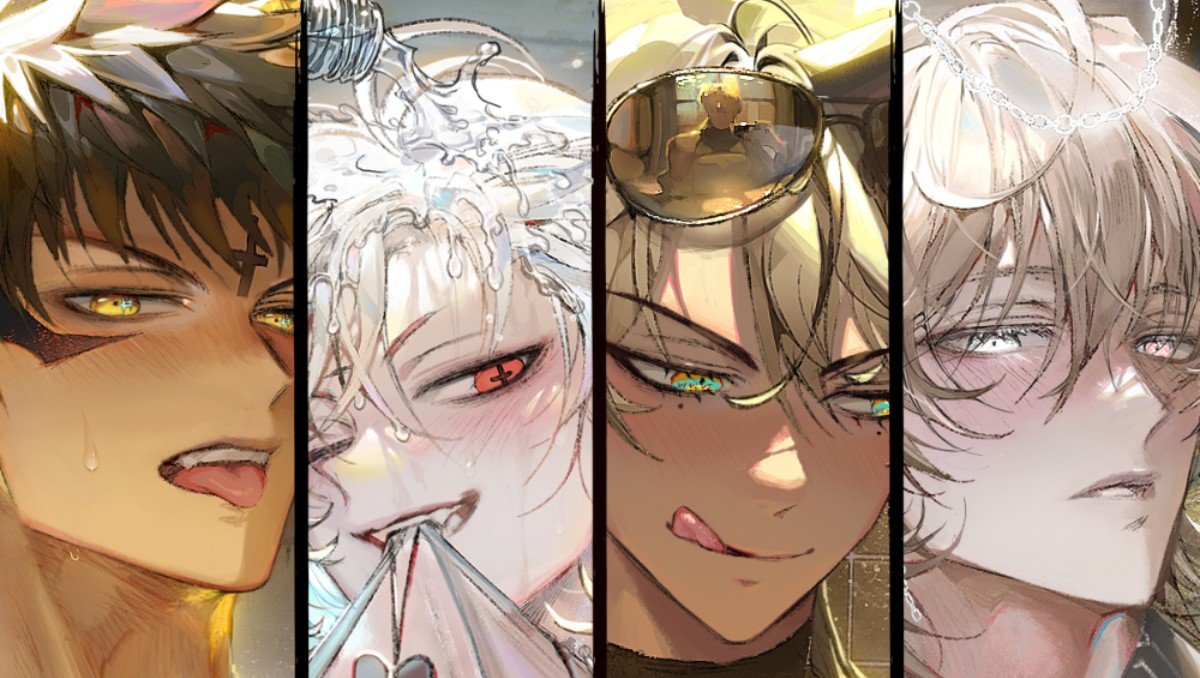
A bad otome game typically features a poorly written plot, unlikable characters, and frustrating gameplay mechanics.
Ever wondered what in hell is bad otome game? It’s a question many players find themselves asking after experiencing a real dud. These games often fail to deliver on the promise of romance and compelling narratives.
Instead, they present a confusing plot with shallow love interests that are simply not interesting. The whole experience becomes a chore instead of a fun escape.

What in Hell is a Bad Otome Game?
So, you’re curious about what makes an otome game… well, bad? It’s not always easy to put your finger on, but trust me, when you play one, you’ll know. It’s like biting into a cookie and finding it tastes like dirt – you just know it’s not right! Otome games, for those who don’t know, are video games aimed at a female audience, where you play as a main character and pursue romantic relationships with several handsome characters. When they’re good, they’re fantastic, but when they’re bad, they can be really bad. Let’s dive into the murky depths of what can make an otome game go wrong.
The Dismal Damsel: Poor Main Character Syndrome
One of the biggest issues that can sink an otome game is a weak or unlikeable main character. Since you’re spending all this time as her, you need to at least somewhat like or relate to her. Think about it, if you were playing a game where the main character made awful decisions, was always in need of rescuing, or felt like a blank cardboard cutout, wouldn’t that get annoying real fast? Here’s what often makes for a truly awful main character:
- The Doormat: This kind of character lets others walk all over her, never stands up for herself, and constantly needs saving. It’s less “strong, independent woman” and more “please someone help me!” No one wants to play someone who’s so passive.
- The Useless One: This main character has no skills, no talents, and contributes nothing to the story. She’s just… there. It makes you wonder why all these cool guys are falling over themselves for her.
- The Mary Sue/Self Insert: This character is perfect in every way – beautiful, kind, smart, talented – with no real flaws or personal issues, designed solely to be an empty vessel for the player to project onto, making her dull and unrelatable. It’s like the game is trying too hard to please everyone, but ends up pleasing no one.
- The Inconsistent One: This main character’s personality changes depending on the plot or which love interest she’s talking to, making her feel like she lacks a true identity. It’s hard to get invested when the character acts so differently moment to moment.
A good main character, on the other hand, is interesting, flawed, and has her own goals and motivations. Even if you don’t always agree with her choices, you understand why she makes them. She should feel like a real person, not just a placeholder.
Love Interests: When Guys Go Wrong
The love interests are the core of an otome game. They are the characters you’re trying to romance, so if they are a mess, then the whole game is a mess. Here are some typical issues:
The Archetype Atrocities
- The Toxic Tsundere: The guy who is mean to you most of the time, and only sometimes displays a little tenderness. He’s rude and belittling, then it’s suddenly supposed to be romantic when he calls you ‘idiot’ in a slightly softer voice? No thank you.
- The Blank Slate: He has no real personality, and is just generically “handsome” and “nice,” giving you nothing interesting to latch onto. It’s like the game just copy-pasted a model and called it a character.
- The Creepy Yandere: The guy who is obsessively possessive and possibly dangerous. While some can find this trope appealing in a very specific context, many see it as deeply disturbing. Stalking and threats are not romantic!
- The One-Note Wonder: This guy has just one defining trait that they constantly repeat, making him predictable and boring. Think constantly moody, always silent, or endlessly cheerful with nothing else behind that trait.
Beyond the Bad Archetype
It’s not always about the character’s basic type. It’s also about how well they’re written.
- The Unrealistic Romance: When the romance doesn’t feel earned. You go from “hi” to “I love you” in the blink of an eye. Without a realistic build-up, it feels forced and unconvincing.
- Lack of Depth: The guys have no backstory, no real motivations, and no issues of their own to deal with. They just seem to exist to fall in love with the main character. Where’s the substance?
- Poorly Developed Relationships: The way the relationship with each guy is structured doesn’t feel organic. It’s just a series of events that seem random and don’t flow naturally. The characters often feel forced into pre-planned story beats.
The Plot: A Story That Goes Nowhere
A bad otome game often has a plot that’s either boring, nonsensical, or just plain absent. You can’t have romance without a decent plot to tie it all together. Here are some common plot problems:
The Storytelling Stumbles
- The Non-Existent Plot: A game that claims to have a story, but it’s just a series of random scenes with little to no actual conflict or stakes. It feels like a series of dates more than a coherent narrative.
- The Plot Holes Galore: A plot with so many holes that it feels like Swiss cheese. Logic doesn’t apply, and you’re left scratching your head at the story’s inconsistencies.
- The Predictable Path: The plot is so predictable that you can see every twist coming a mile away. No surprises, no tension, no fun.
- The Dragging Narrative: The plot drags on and on, padding out the gameplay time with unnecessary scenes. It could have been half the length and twice the quality.
World-Building Woes
- The Uninspired Setting: The world the story takes place in is generic and boring. It’s a cookie-cutter fantasy land or a basic high school setting, without anything unique to make it stand out.
- Lack of Immersion: The world feels lifeless and unconvincing, preventing the player from getting absorbed into the story. You don’t feel like you’re really there.
User Experience: Gameplay Gone Wrong
Even with good characters and a good story, a bad user experience can kill an otome game. Things like clunky interfaces, translation errors, and lack of accessibility options can make the game frustrating to play.
Technical Troubles
- Awful Translation: Text riddled with errors, making it hard to understand the story and characters. This shows a lack of care from the developers and is incredibly jarring.
- The Buggy Mess: Games with frequent crashes, glitches, or other technical issues, disrupting the player’s immersion and causing frustration.
- Terrible UI: A game interface that is difficult to navigate or understand. Bad menus, cluttered screens, and poorly labeled options just add to the pain.
Gameplay Problems
- Repetitive Gameplay: Gameplay that becomes repetitive and boring quickly. Doing the same actions over and over makes the game feel like a chore rather than entertainment.
- Lack of Choice: An otome game where choices barely matter, and the story plays out the same no matter what you do. What’s the point of having choices if they don’t change anything?
- Poor Save System: A game with a clunky or inconvenient save system, potentially losing hours of playtime due to technical problems. It’s like asking to be frustrated!
- Inaccessible Design: Lack of accessibility options for players with different needs, limiting who can enjoy the game. It doesn’t have to be this way!
The Dreaded Dating Sim Elements
While the core of otome games is romance, some games rely too heavily on outdated or overly simplified dating sim elements, turning the experience into a repetitive and tedious grind.
The Grind
- Stats Obsession: Games that focus too much on stat-raising. If you need to endlessly click through mini-games to raise arbitrary numbers just to unlock story content, it loses all of the enjoyment.
- Uninspired Mini-Games: Uninspired, frustrating, or un-fun mini-games that feel like a chore to complete. Mini-games should be engaging, not a roadblock!
- The Forced Daily Routine: Having to repeat the same set of actions every in-game day, which gets tiring quickly and detracts from the story. Routine should complement the narrative, not become the narrative.
Lack of Immersion
- The Menu-Driven Romance: Romance that feels like a series of menu selections instead of natural interactions. You don’t actually connect with the characters; you’re just clicking options.
- The “Right Answer” Fallacy: Choices that feel like a series of “right” and “wrong” answers, which completely miss the point of character interactions and connection. It should be about getting to know the characters, not figuring out what the game wants.
- Lack of Variety: When the dating sim segments are almost identical regardless of the love interest you’re pursuing, the characters don’t feel distinct. The romances should feel tailored to each character’s unique personality.
The Price is Not Right: Cost and Value
Finally, a bad otome game can also be one that isn’t worth the money. This can be due to a high price tag for a game with low production values or a free-to-play game with aggressive monetization strategies.
- Overpriced Product: A game that charges too much for its quality. When a game is expensive, you expect a high-quality experience, not a buggy mess with a boring plot.
- Aggressive Monetization: Free-to-play games that pressure players to spend real money. When you are constantly bombarded with offers to buy in-game items or progress, the game stops feeling like fun and becomes a chore.
- Lack of Content: A game that lacks a meaningful amount of content. A short story without any replayability, or a lot of fluff and padding, makes it feel like the game isn’t worth the investment.
Ultimately, a bad otome game is one that disappoints. It fails to provide an engaging story, enjoyable characters, or a smooth gameplay experience. You feel like you’ve wasted your time and money. But hey, learning what to avoid can help you appreciate the truly amazing otome games out there even more! Happy gaming!
What In Hell Is Bad – The Encounter of Two Flames Ep 1
Final Thoughts
Bad otome games often feature shallow characters and repetitive plots. These games frequently rely on tired tropes and lack meaningful player choices. Poor writing and translation can make even interesting concepts unplayable.
So, what in hell is bad otome game? It’s an experience that feels tedious and frustrating, failing to deliver the escapism and romance that it should. Ultimately, a bad otome game disappoints its players.

