
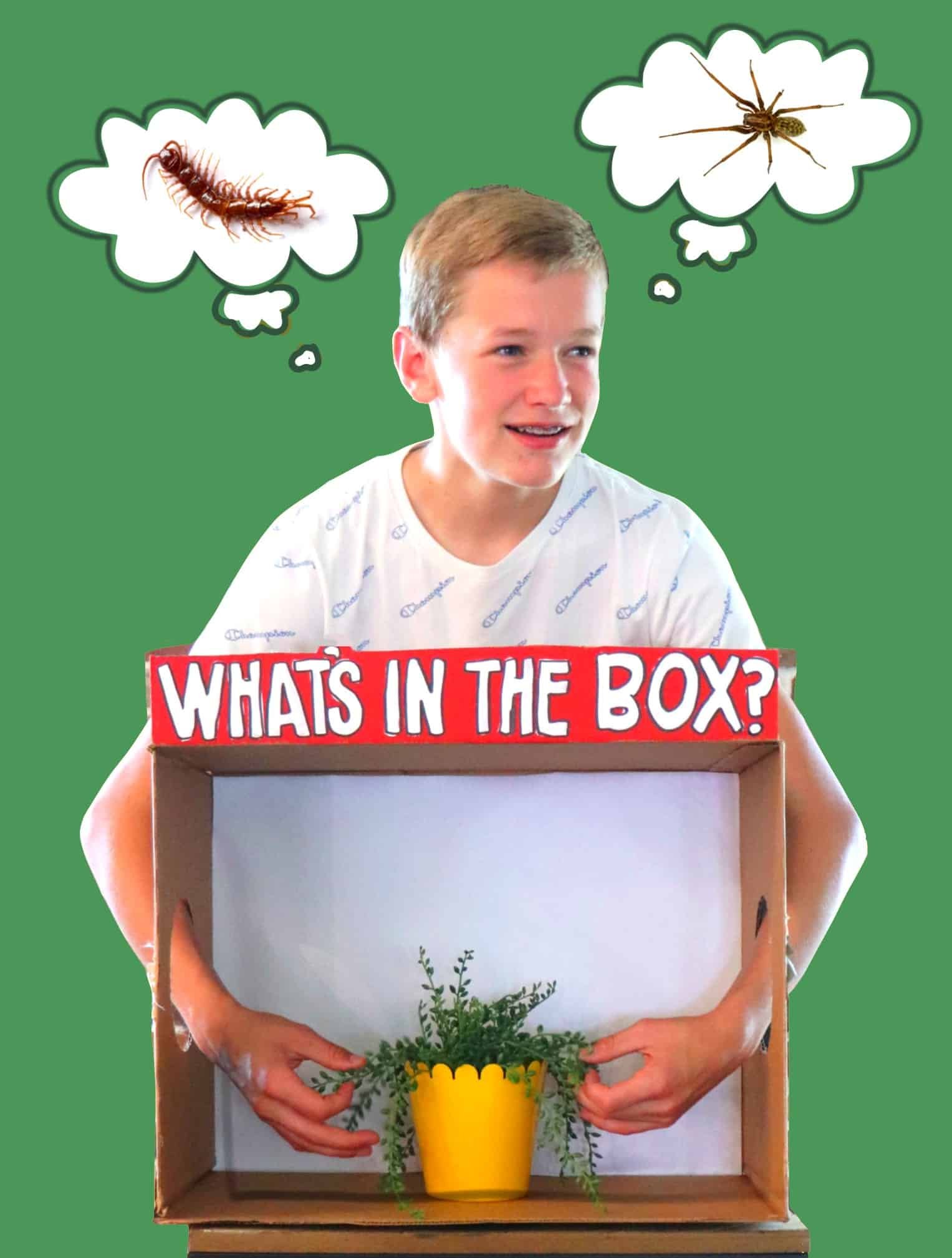
The ‘what in the box game’ involves participants feeling unseen objects inside a box and guessing what they are.
Ever played a game that tests your senses in a fun, mysterious way? Well, the ‘what in the box game’ does exactly that! It’s a simple concept, yet it can bring loads of laughter and challenges for players of all ages.
Participants use their sense of touch alone to figure out the hidden items. This game encourages imagination and makes people use their tactile perception. It’s a great way to spend time with friends and family, and see who has the best guessing skills.

What in the Box Game: A World of Mystery and Fun
Ever played a game where you have to guess what’s hidden inside a box? That’s the magic of the “What in the Box” game! It’s a super simple, incredibly fun game that people of all ages enjoy. It’s all about using your senses, being curious, and having lots of laughs. This game isn’t just for kids; it’s a fantastic way for families to bond and even for adults to let their inner child out. Let’s dive deep into the world of this exciting game and explore all the different ways you can play it!
The Basic Idea Behind the Game
At its core, “What in the Box” is about using touch and deduction to figure out what object is concealed inside a container. The main idea is to remove sight as the primary sense and to focus on how an object feels to try and identify it. You usually use a box, bag, or some other type of container that keeps the object a secret. The fun comes from not knowing, feeling the textures, and making your best guess. This game promotes critical thinking, sensory awareness, and good old-fashioned guessing fun! The game might sound too simple, but it’s amazing how much excitement it can create. It really gets people thinking and interacting.
How to Set Up Your Own What in the Box Game
Getting your “What in the Box” game ready is easy and doesn’t require special equipment. Here’s a simple guide to get you started:
Choose Your Container
You can use almost anything that can hide an object:
- A cardboard box (any size will work)
- A paper bag
- A pillowcase
- A gift bag
- A large bowl covered with a cloth
Make sure the container is opaque, so the object inside can’t be seen.
Find Your Mystery Items
Look around your house for items that are safe to touch and feel. Consider these ideas:
- A smooth stone
- A soft sponge
- A toy car
- A small stuffed animal
- A piece of fruit (like an apple or orange)
- A spoon
- A small plastic toy
- A pinecone
- A feather
- A key
Make sure the items are not too small that they can be swallowed or dangerous if handled. Avoid anything sharp or fragile. It’s a good idea to vary textures and shapes to make the game more fun and challenging.
Prepare the Box
Place the mystery item inside your chosen container. Seal it up or cover it well, so no peeking! Now, you’re ready to play.
How to Play the What in the Box Game
The rules for “What in the Box” are very flexible, which makes it a great game for all ages and settings. Here’s a simple way to play:
- Take Turns: Decide who goes first. The first player is the guesser.
- Reach In and Feel: The guesser reaches into the box without looking. They can touch and feel the item, but no peeking!
- Make a Guess: The guesser makes their best guess about what’s inside the box. They can ask clarifying questions like “Is it hard?” or “Is it soft?”, if the game-leader agrees.
- Check the Answer: After a guess, or after a set amount of time, remove the object from the container and reveal it to all players.
- Change the Object: Place a new item inside the box for the next person to guess. Keep the game going until everyone has had a chance to guess.
Different Ways to Play the What in the Box Game
One of the great things about “What in the Box” is that you can change the rules to make it fit the age group or situation. Here are some ways to spice up your game:
Team Play
Divide players into teams. One person from each team takes a turn to guess. The team with the most correct guesses wins.
Sensory Challenge
Put a selection of items in a single box for one round. The player has to describe as many of them as possible with just their hands to test memory skills too.
Describe, Don’t Guess
Instead of guessing, the player describes the item in detail. Other players have to guess based on the description.
Mystery Theme
Have a special theme! For example, you could have a “Nature Box” with items like leaves, rocks, and twigs or a “Kitchen Box” with things like a spoon, a spatula, or a potato.
Timed Guesses
Give players a set amount of time to guess the item. If they don’t guess it in time, they’re out of that round.
Scavenger Hunt Combo
Use the game as part of a scavenger hunt. The hidden object could be a clue to the next location in the hunt.
Blindfolded Guess
Make the game a bit more challenging by blindfolding the guesser, thus making the use of touch and sound more pronounced.
Benefits of Playing the What in the Box Game
This game isn’t just fun; it’s beneficial for kids and adults! Here are some of the perks:
Develops Sensory Awareness
It encourages players to focus on their sense of touch and how different textures and shapes feel. This improves awareness of the world around them.
Enhances Cognitive Skills
The game requires players to think critically, make deductions, and remember the sensations they feel. This boosts their problem-solving abilities.
Boosts Language and Communication
Players need to use words to describe the object, ask questions, and explain their guesses, therefore, building vocabulary and communication skills.
Promotes Social Skills
When played in groups, the game encourages teamwork, turn-taking, and positive interactions. Sharing and waiting for your turn are important social skills that this game helps develop.
Reduces Screen Time
It’s a fun and engaging activity that gets people away from screens, promoting a more active way of spending free time.
Increases Curiosity
The game sparks curiosity and encourages players to explore the world through touch and investigation. This naturally fuels a love of learning.
Improves Memory Skills
The game can help with memory, especially in games where players need to remember shapes or objects they’ve felt before.
Fun and Entertaining
Most importantly, it’s a game that provides lots of laughter and joy for everyone. It’s a simple way to create great memories together.
Age Adaptability of the Game
The ‘What in the Box’ game is highly adaptable and can be tailored to suit different age groups and developmental stages. Here’s how you can adjust the game for various ages:
Toddlers and Preschoolers (Ages 2-5)
For the little ones, focus on using large, safe objects with distinct textures.
- Simple Items: Use items they are already familiar with, like a toy block, soft ball or a spoon.
- Clear Descriptions: Keep the language simple when describing the items, like “soft,” “hard,” or “smooth.”
- Sensory Bins: You can also create a larger “sensory bin” instead of a box, filled with safe materials they can feel.
Elementary School Kids (Ages 6-10)
With this age group, you can start using more complex items.
- Variety of Textures: Introduce items with different textures, weights, and sizes.
- Descriptive Language: Encourage them to use more detailed descriptions, like “rough,” “bumpy,” or “flexible.”
- Memory Challenges: Add a memory element by putting multiple items in the box and having them try to remember all of them by feel.
Tweens and Teens (Ages 11+)
For older kids, you can make the game more challenging and strategic.
- Trickier Items: Use items that are more difficult to identify by touch alone.
- Competitive Element: Introduce timed rounds or team play to make it more exciting.
- Creative Themes: Try a themed approach, like a “mystery” box with unusual objects.
Adults
Even adults can have fun with the game! It provides a light-hearted and engaging way to relax.
- Creative Objects: Use creative objects, or add in some riddles about the objects.
- Team Building: It is a perfect game for team bonding in corporate events or family gatherings.
- Party Game: It’s a simple game, that’s perfect for adding a little friendly competition to any party.
Making it Educational
The “What in the Box” game can also be used as a tool to help with learning. Here are some ways to bring in educational value:
Learning Shapes and Sizes
Use objects of different shapes (like circles, squares, and triangles) or sizes (small, medium, large) to help them learn these concepts.
Learning About Materials
Introduce items that are made of different materials (wood, metal, plastic, fabric) and discuss their properties.
Learning About Nature
Use natural items like leaves, rocks, and flowers to teach about the environment.
Learning Vocabulary
Ask the children to explain what they feel, or think about items, so that they can use new words and learn about items.
Learning About Science
Use objects to teach simple scientific concepts, like density, temperature, and gravity through feeling different textures, temperatures, and weights.
Tips for a Great Game Experience
Here are some easy tips to make your “What in the Box” game even better:
- Choose appropriate items: Make sure the items are safe, clean, and appropriate for the players’ ages.
- Keep it a surprise: Don’t let the players see what’s in the box before they take their turn.
- Be flexible: Be ready to modify the rules or play styles to match the players.
- Encourage guesses: Provide helpful clues or encouraging words.
- Have fun: The main idea is to have a good time, so don’t worry about keeping score.
- Ask for feedback: Ask for suggestions for next time and incorporate those.
Safety Considerations
Safety first is important when playing any game. Here’s how to make sure your “What in the Box” game is safe:
- No small parts: Avoid objects that are small enough to be swallowed, especially with young children.
- Avoid sharp and pointed objects: Do not include anything with sharp or pointy edges that could cause an injury.
- Check for allergies: Avoid items that some players might be allergic to, like foods or materials.
- Clean objects: Make sure all objects are clean and don’t have any harmful substances or dirt on them.
- Supervision: Keep younger players supervised while they handle the items.
Why This Game is So Popular
The “What in the Box” game is so popular for many reasons. Here are the main ones:
- It’s Simple: The game is easy to understand and doesn’t need any special supplies.
- It’s Versatile: You can play it at home, in the classroom, at parties, or on trips.
- It’s Inclusive: Players of all ages and abilities can have fun with it.
- It’s Fun: The mystery and guessing makes it entertaining for everyone involved.
- It’s Educational: It promotes learning and skill development while having fun.
Where Can You Play It?
The great thing about “What in the Box” is that it’s versatile. Here are some places where you can enjoy playing it:
- At Home: It’s a great family game.
- In the Classroom: It’s perfect for learning and engaging young students.
- At Parties: It’s fun for birthday parties or other social gatherings.
- On Road Trips: It can help pass the time during car rides.
- At Camps: It’s an excellent game for summer camps and outdoor activities.
- Senior Centers: It can be a fun and gentle activity for older adults.
Creative Item Ideas
Want to think outside the usual items? Here are some creative ideas:
- Nature: Include items like a smooth stone, a pinecone, a feather, or a leaf.
- Kitchen: Use a spoon, a spatula, a potato, or a piece of pasta.
- Office: Add items like a paperclip, a rubber band, or a pen.
- Crafts: Use things like a pompom, a button, or a piece of yarn.
- Toys: Include a small toy car, a plastic animal, or a building block.
- Unusual Items: Try a sponge, a small bottle with a texture, or a small toy with different textures.
Using the Game to Teach about Different Cultures
The “What in the Box” game can be a fantastic way to introduce children to different cultures and traditions. Here’s how you can do it:
- Cultural Artifacts: Place small, culturally significant items inside the box. These could include small musical instruments, miniature clothing pieces, or hand-crafted ornaments from different countries.
- Storytelling: After each item is guessed, share a story or short explanation about where the item comes from, and how it is used. This gives the players a better cultural understanding.
- Food Items: If appropriate, you can also use unique, safe food items from various cultures. Let the players touch and describe them. This can also lead to a great discussion about global food traditions.
- Global Music: Make a playlist of music from various parts of the world while playing the game. This adds a cultural background to the activity.
- Language Integration: Teach players how to say “What is in the box?” in different languages! This will get them a basic grasp of the diverse world of languages.
This game is not just fun, it’s an incredible way to learn about different places, and their unique cultures.
The “What in the Box” game is a timeless activity that combines the joy of play with the development of important skills. It’s incredibly flexible, making it perfect for many age groups and situations. From sensory development and cognitive boosting to social interaction and plain fun, this game offers something for everyone. So grab a box, pick your items, and get ready for a world of mystery and laughter!
Kids Guess What's in the Box! | Episode 1 | HiHo Kids
Final Thoughts
The game offers simple fun using household objects. Players guess items hidden inside a box. The thrill of the unknown makes ‘what in the box game’ engaging.
This activity sparks curiosity and laughter. It is perfect for all ages and groups.
Quick setup and minimal materials make it a must. A guaranteed good time awaits anyone playing ‘what in the box game’.

