
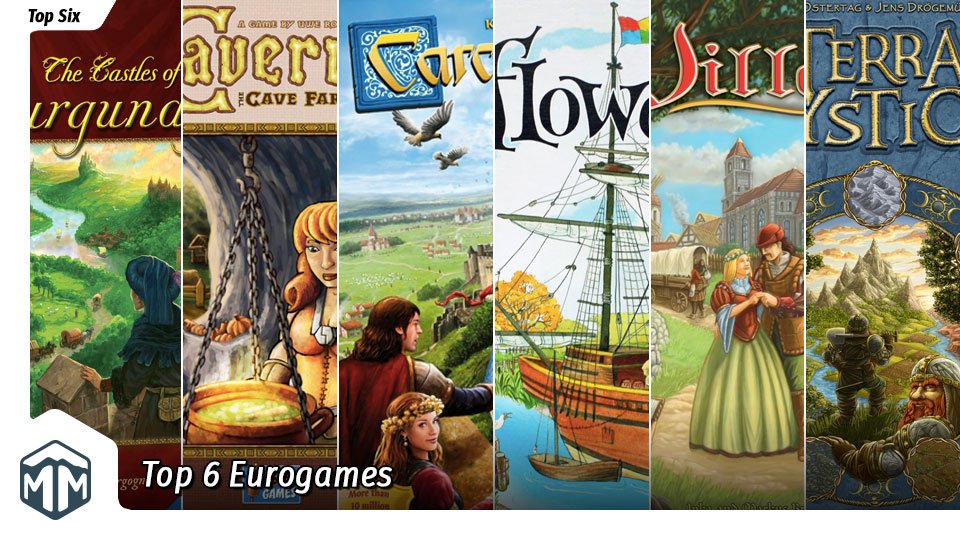
A euro game is a board game that typically prioritizes strategy, resource management, and player interaction over luck or direct conflict.
Have you ever sat at a table, puzzling over wooden meeples and intricately designed cards? Perhaps you’ve heard the term, “what is a euro game,” and wondered what it all meant. These games focus on careful planning and clever decision-making. You’ll find players collecting resources, building structures, and scoring points in a variety of ways, often with minimal reliance on chance.

What is a Euro Game?
Have you ever played a board game that made you think hard about planning and strategy? Maybe a game where you didn’t roll dice to move around a board, but instead, carefully managed resources? If so, you might have played a Euro game, also sometimes called a German-style board game. These games are popular because they challenge your brain and offer a different kind of fun than more luck-based games. Let’s dive into what makes these games special.
Core Characteristics of Euro Games
Euro games, unlike many classic American board games, put less emphasis on luck and direct conflict. Instead, they focus on clever planning, resource management, and scoring points through strategic actions. Think of it like building a magnificent city or a thriving farm – carefully choosing what to do, where to do it, and when is the key to success. Here are some key features that help you spot a Euro game:
- Limited Player Interaction: Euro games often have less direct conflict than other types of board games. Instead of attacking each other, players mostly focus on building their own things and racing to achieve goals. Sometimes, the interaction is about “blocking” other players from taking the actions that they might need.
- Resource Management: A big part of Euro games is about collecting and using resources wisely. These could be anything from wood and stone to crops and gold. You need to figure out the best way to gather resources, and then use those resources to build, buy, or score points.
- Point Salad Scoring: Euro games often have multiple ways to score points. This means you can win by focusing on different strategies. You aren’t limited to one path, but instead have a variety of actions to take. You might score points by building certain structures, collecting sets of items, or achieving specific goals. This allows for flexibility and diverse strategies.
- Abstract Theme: While some Euro games have a clear theme, others are more abstract. The mechanics of the game (how you play) are often more important than the story behind the game. The theme might feel like a light coat of paint over the game’s core mechanisms.
- Low Player Elimination: Players usually stay in the game until the end, which helps keep everyone involved and engaged. Everyone has a chance to use their strategies to win until the very last turn.
- Action Selection: Euro games frequently feature mechanisms where you have a limited number of actions available per turn. This requires players to carefully choose the best possible option, optimizing their turn for maximum gain.
Why Are They Called Euro Games?
The name “Euro game” comes from the fact that many of these games originated in Europe, particularly in Germany, in the 1980s and 1990s. While games like Chess, Backgammon, and Go have existed for centuries, the Euro game movement introduced a different style of play with a focus on strategy over luck. These German-style board games started to gain international popularity and became known as “Euro games” in the English-speaking world. Now, many popular games come from all over the world, but the term “Euro game” still refers to that style of gameplay.
The Role of Theme in Euro Games
As mentioned earlier, the theme of a Euro game isn’t always the main focus. You might be building a castle, running a shipping company, or even managing a vineyard, but the underlying mechanics of the game are often similar across many different themes. The theme might make the game more engaging and help new players get the hang of it, but it’s important to remember that the focus is still usually on strategic thinking.
Examples of Thematic Implementation:
- Settlers of Catan: In this game, players are settlers building on an island, collecting resources to construct roads, settlements, and cities. The game mechanics involve trading resources, making the theme very closely tied to the gameplay.
- Wingspan: Here, the players are bird enthusiasts, collecting bird cards and building a habitat for their feathered friends. The theme is strong, and each bird card provides a unique power which enhances both the strategy and overall immersion in the game.
- Agricola: In this game, players take on the role of farmers, trying to develop their farm and feed their families. This game’s theme and mechanics are strongly tied together, helping the players see that their resources and choices have real consequences.
Types of Mechanisms in Euro Games
Euro games often employ many different game mechanisms. These are the “moving parts” that make the game work. They give players tools that they can use to create different strategic options. Here are a few of the most common ones:
Worker Placement
In worker placement games, you have a limited number of “workers” (usually represented by small tokens) that you place on different action spots on the game board to perform actions. Each space usually gives you a different type of action to take. You might gather resources, build a building, or score some points. A key aspect of worker placement games is the competition for limited action spaces, meaning you need to carefully decide when and where to put your workers. There are worker placement games of many different difficulties, so there is a worker placement game for most players to enjoy!
- Example: Agricola, Lords of Waterdeep, Stone Age
Engine Building
Engine-building games are all about creating systems or “engines” that get better over time. As you play, you collect cards or tiles that give you special powers or resources. The more you build up your engine, the more efficient your actions become, and the more points you score. Usually, your first few turns are slower, as you are gathering resources, but the turns become more and more powerful as you acquire more and more game components.
- Example: Splendor, Wingspan, Terraforming Mars
Tile Placement
Tile placement games involve carefully placing tiles on a board or grid to build a larger structure, map, or landscape. These games often feature ways to score points for how your tiles connect or form certain patterns. The strategy comes from deciding where to place your tiles to maximize your points, while also preventing your opponents from doing the same.
- Example: Carcassonne, Kingdomino, Azul
Set Collection
Set collection games have players trying to collect sets of cards or tokens to score points. The trick is that different sets are usually worth different numbers of points, and you have to figure out which sets are worth going after, and which ones you might pass on. You need to make decisions about what to collect, and know when to trade or pass on a card or token for a potentially better collection.
- Example: Ticket to Ride, Sushi Go!, 7 Wonders
Action Programming
In action programming games, you have to choose the actions you want to perform ahead of time, and then you see how they work out. This usually involves planning your actions and placing those actions face down in a queue or a grid. This can lead to great fun as you plan your moves and then see your plan succeed – or sometimes fail spectacularly!
- Example: Robo Rally, Colt Express, Space Alert
Differences Between Euro Games and American-Style Board Games
It’s important to remember that not every board game fits perfectly into these categories. Some games might mix elements of both Euro games and American-style games. However, there are some general differences that can help distinguish between the two:
| Feature | Euro Games (German-Style) | American-Style Board Games |
|---|---|---|
| Luck | Less reliance on luck (e.g., dice rolling); more on strategy. | Often heavy reliance on dice rolls and other forms of chance. |
| Theme | Abstract or lightly themed; mechanics are the focus. | Strong theme and immersive narrative are often central. |
| Conflict | Indirect conflict (e.g., blocking spaces or competing for resources). | Direct conflict (e.g., attacking other players). |
| Player Elimination | Rarely eliminate players; most players stay until the end. | Player elimination is common. |
| Complexity | Often involve complex rules and strategy. | Rules can vary, sometimes simpler, sometimes quite complex. |
| Components | Usually have wooden or cardboard tokens. | Often have plastic miniatures or figures. |
Why Are Euro Games Popular?
Euro games have become incredibly popular for a few reasons. First, they give players a sense of control over the game. Your choices really matter, and if you make smart choices, you are much more likely to win. This can be very satisfying! They are also often easier to learn but hard to fully master, giving them a great deal of replayability. They also allow for multiple strategic approaches, which means that you can explore different strategies and approaches each time you play. They are often challenging in ways that don’t rely solely on luck, which makes it feel like you are winning because of your choices, and not just because of the roll of a die.
Entry Points into the World of Euro Games
If you are interested in trying Euro games, here are a few suggestions for where to begin. These games are generally regarded as a great introduction to this style of game, and they each offer different mechanisms to explore:
- Ticket to Ride: This game is known for its beautiful components and its simple, yet strategic, gameplay. Players collect colored train cards to complete routes between cities.
- Carcassonne: This game has players placing tiles to build a medieval landscape, scoring points for connected roads, cities, and farms. It’s easy to learn, but has lots of strategic depth.
- Splendor: This is an engine building game where players collect gems to purchase cards, building up their engine and earning points.
- 7 Wonders: This card-drafting game has players building civilizations through the use of cards, and is a great example of set collection in Euro games.
These are just starting points to a whole world of games out there to explore! Once you understand the core ideas of the Euro game, you will have a better understanding of how all of these games work, and you can decide which games are perfect for you and your game group.
Euro games offer a fun, engaging, and strategic gaming experience for all ages. From resource management to building your perfect engine, these games are all about clever planning and strategic thinking. If you like making thoughtful choices and testing your planning skills, then give one of these games a try! You just might discover your next favorite way to spend a game night with friends and family.
What is a Euro Game?
Final Thoughts
Euro games prioritize strategy and resource management over luck or direct conflict. Players often collect resources, build structures, and gain victory points. These games usually feature indirect player interaction and minimize randomness through dice rolling.
A key element of a euro game is its focus on elegant mechanics and strategic depth. What is a euro game? It’s a type of board game focused on player planning and optimized moves. Often, there is a victory point system which determines the winner at the end.

