
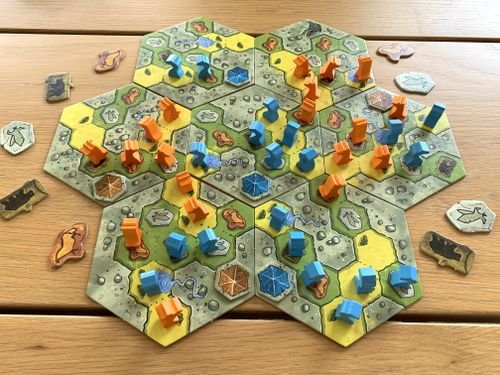
A euro board game is a style of tabletop game that typically emphasizes strategy, indirect player interaction, and resource management, often featuring less reliance on luck compared to other game styles.
Have you ever wondered what makes some board games feel so different from others? Specifically, what is a euro board game and why do people keep talking about them? These games often prioritize careful planning and thoughtful execution over direct conflict. Players usually focus on optimizing their personal strategy.
They often involve managing resources, building structures, or developing technologies. These mechanics are integral part of what makes a euro game a euro game. It’s a style that can appeal to many, offering engaging experiences.

What is a Euro Board Game?
Have you ever played a board game where you weren’t just rolling dice and moving around a track? Maybe you’ve built a farm, traded resources, or planned out a whole city on a table? If so, you’ve probably played a euro board game, sometimes also called a German-style game. These games are different from other board games in some important ways, and that’s what we’re going to explore together. Euro games are really popular, and for good reason—they can be very fun and offer plenty of thinking and strategy!
Core Concepts of Euro Games
So, what makes a euro game a euro game? Let’s break down some key ideas that set them apart:
Emphasis on Strategy over Luck
Unlike many traditional board games where luck plays a big part (like landing on a certain space or drawing a lucky card), euro games are built on strategy. While dice might be used sometimes, their impact is usually limited. The core of the game revolves around the choices you make and how you plan ahead. Think of it like building a tower with blocks. You can’t just throw the blocks together and hope it works; you need to decide where each piece goes to make it strong and tall.
Resource Management is Key
In many euro games, you’ll be collecting and spending resources like wood, stone, food, or gold. How you manage these resources is crucial to your success. You might need to decide between using your wood to build a new house or saving it for a bigger project later. Making these tough calls is what makes these games interesting. Imagine you’re in charge of a small town. You have limited amounts of things like wood, grain, and clay. You need to decide how to best use these to help your town grow.
Indirect Player Interaction
In euro games, you’re not usually directly attacking or hurting other players. Instead of trying to knock other players out, you’re usually all working on your own things at the same time, and sometimes indirectly compete with each other by doing a better job on your thing. You might be trying to build the most impressive farm, or have the most thriving city. Think of it like a group of students working on individual projects. Everyone is working hard to make their own project great, but you are all still in the same classroom together.
Point Salad Scoring
Many Eurogames have what’s called “point salad” scoring. This means that you gain points from lots of different things in the game. You might get points for having certain buildings, for collecting sets of items, or for completing specific goals. This way of scoring keeps the game interesting because you can try different strategies to get the most points, and there are often multiple paths to victory. It’s like being at a buffet where there are different kinds of delicious foods. You can choose what you want to eat from them and the more delicious foods you eat the better you are.
Worker Placement Mechanics
One popular game mechanic used in euro games is called worker placement. In this system, players have a set number of workers they can place on different locations on the game board. These locations could be things like a lumber mill, a farm, or a market. Once a worker is placed, that location is usually blocked for other players for that round. This means you have to carefully plan what you want to do because your opponent might take the spot you wanted. Think of it like a popular playground, there might be a slide everyone wants to play on but there is limited space there, and you need to be early to use it.
Examples of Euro Board Game Mechanics
Let’s dive into some common mechanics you’ll find in euro games. These mechanics are like the tools that game designers use to build fun and challenging games.
Tile Placement
In tile placement games, you’ll be placing pieces, often with different shapes, on the game board. These tiles might represent roads, fields, or houses. The way you place the tiles can create unique patterns and shapes that affect the game. Many popular games, use tile placement and makes it their core game. Carcassonne is one of them. Think of it as playing with puzzle pieces, only the puzzle is constantly changing. You must think carefully how to place them on the puzzle to make the most points.
Set Collection
Set collection is another mechanic you’ll often find in euro games. In set collection games, you try to collect sets of things, like different types of animals, plants or minerals. Sets of unique items can be very beneficial in the games. The more sets you have, the more points you earn. It’s similar to collecting trading cards – the more unique cards you have, the more valuable your collection is.
Engine Building
In engine-building games, you start with very limited resources and abilities. As you play, you acquire new cards, tools, or upgrades that allow you to do more and more. The idea is to build an engine, or a system, that makes you more efficient over time. It’s like starting a small lemonade stand, and eventually building a large lemonade factory that makes lots of lemonade automatically.
Action Selection
In action selection games, you get to choose which actions you’ll perform each turn. These might include things like building a building, trading resources, or moving your pieces. Choosing the right actions at the right time is very important in these kinds of games. It’s like having a menu with different options each turn, and you need to decide which option is the most beneficial.
Thematic Elements
While Euro games emphasize strategy and mechanics, they often have a theme to help immerse players in the game. The themes in euro games are usually less prominent than in other kinds of board games. They are usually set in historical periods, or involves different types of activities that are usually mundane. These themes help to connect the game to a fictional world, but they mostly exist to help to understand the rules of the game, and are rarely story-driven. Think of it like painting a picture. The game’s mechanics are like the lines, and the theme is like the color, it makes everything pop up and helps players to imagine what they are doing in the game, and making it more engaging.
Examples of Common Themes
Here are some examples of themes that commonly appear in euro games:
- Farming and Agriculture: Building farms, growing crops, and raising animals.
- City Building: Planning and constructing buildings, roads, and public facilities.
- Trading and Commerce: Collecting resources and trading them for goods and advantages.
- Exploration: Discovering new lands, territories or technologies.
- Medieval Era: Games set in the middle ages, often focusing on feudalism and castle building.
Why Are Euro Games So Popular?
So, why do so many people love euro games? Here are a few reasons:
Challenging Yet Rewarding
Euro games are mentally stimulating. They require you to think through your decisions, plan ahead, and react to other players’ actions. The feeling of a strategy coming together is rewarding and very satisfying. You don’t just rely on luck, but on your own decisions.
Less Player Elimination
In many euro games, players usually aren’t eliminated from the game early. You are always involved in the game and always have something to do until the game ends, which is fun for everyone. Nobody wants to sit out on the side while everyone else is still playing.
Replayability
Because there are many different ways to win, you can play euro games multiple times and have a different experience every time. You can try a different strategy, or see if you can do better than your last game. This keeps the games interesting and fun even if you played it many times.
Good for Many Ages
While some euro games can be quite complex, many of them are also very accessible. There are Euro games that are easy enough for younger kids to learn, and others that can challenge even the most experienced board game players. There’s a euro game for everyone!.
Key Differences Between Euro Games and American-Style Games
Now that we know about Euro games, let’s talk about how they are different from their cousins, American-style board games. American-style games, or “Ameritrash” games, tend to be more focused on theme and direct conflict, while euro games are about mechanics and strategy. Here’s a quick comparison.
| Feature | Euro Games | American-Style Games |
|---|---|---|
| Focus | Strategy, resource management, efficiency | Theme, narrative, direct player conflict |
| Luck | Minimal, with an emphasis on planning | Often a significant factor, like dice rolling |
| Player Interaction | Indirect, often competing for limited resources | Direct, often involving attacking or eliminating other players |
| Theme | Often present, but less prominent than mechanics | Very strong, often driving the gameplay |
| Length | Often 45 minutes to 2 hours | Can vary from shorter to very long playtimes |
It’s important to say that neither style is better than the other, it’s just that they are different, and many people enjoy both kinds of board games. What kind of games you prefer depend entirely on you.
Getting Started with Euro Games
If you’re new to euro games, where should you start? Here are a few suggestions:
- Carcassonne: A classic tile-laying game that is easy to learn and fun for the whole family.
- Ticket to Ride: A simple game where you build train routes across a map, good for players of all levels.
- Settlers of Catan: Another popular euro game, where you trade resources and build settlements.
- Wingspan: A card-driven game about collecting birds, with a beautiful presentation and gentle gameplay.
The best way to understand what a euro game is, is to play them and to see for yourself if you like these kind of games.
Euro board games are fascinating because they offer something for everyone. They are great ways to challenge your mind, spend time with friends and family, and get away from screens for a while. With their focus on strategy, resource management, and indirect conflict, they provide a different experience from many traditional board games. Whether you’re a seasoned board game fan or just beginning, there’s a euro game out there waiting to become your new favorite.
The Eurogame REVOLUTION | Board Games Explained
Final Thoughts
Euro board games prioritize strategy and resource management over luck. Players often compete for victory points through carefully planned actions. The games typically feature indirect player interaction and limited conflict.
These games often use mechanisms like worker placement and set collection. Theme takes a backseat to game mechanics. So, what is a euro board game? It is ultimately a game focused on strategic depth, economic growth, and careful planning.

