
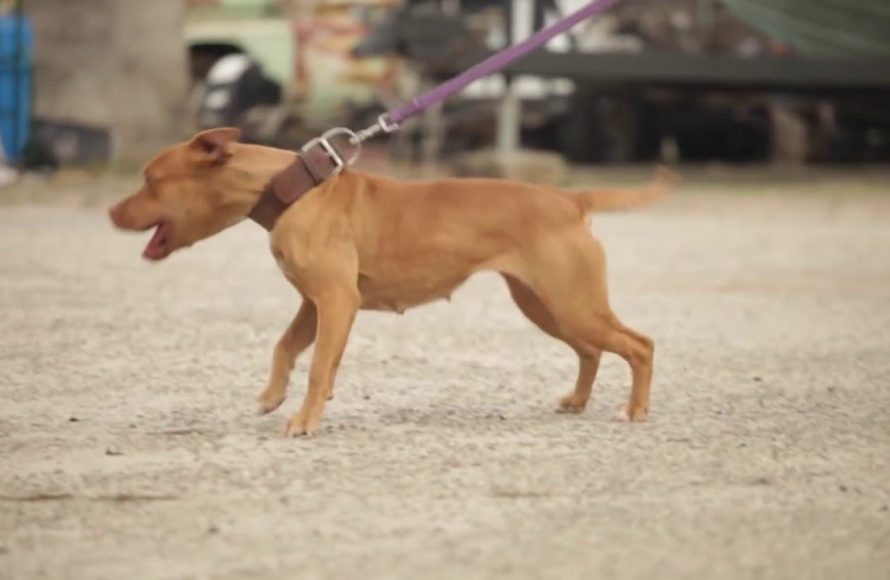
A game dog is a canine bred and trained for specific work, often involving tasks like hunting, protection, or competition, exhibiting high drive and physical ability.
Ever wondered about the term “game dog”? It’s a phrase you might hear in various contexts, from hunting circles to protection training, but what exactly does it mean? It refers to a certain type of dog, distinct from your average pet.
These dogs possess unique characteristics, often built on traits selected through breeding practices. They demonstrate strong work ethic, physical capability, and sharp focus when engaging in their purpose. The concept of “what is a game dog” goes beyond simple athleticism.

What is a Game Dog?
When you hear the term “game dog,” you might picture a dog playing fetch in the park. But, in reality, the term has a more complex and often controversial meaning. A game dog isn’t just any dog who likes to play; it’s a dog specifically bred and trained for a purpose that involves physical challenges and, sometimes, combat. Understanding what truly defines a game dog involves looking at its history, breeding, and the specific traits they possess.
The Historical Roots of Game Dogs
To truly understand game dogs, we need to take a journey back in time. Many of the breeds that are now classified as game dogs originated from dogs used in working roles, such as guarding livestock, protecting property, and, in some cases, participating in brutal blood sports. These activities required not only physical strength but also a high tolerance for pain and an unwavering determination. The history is not always pleasant, and it’s important to recognize that context when we talk about these dogs.
Early Roles and Bred for Purpose
Long before the concept of “pet dogs” became popular, dogs were primarily working animals. Different tasks required different physical attributes and temperaments. For example:
- Herding Dogs: Needed agility and the ability to control the movement of livestock.
- Guardian Dogs: Required size, strength, and a protective nature.
- Hunting Dogs: Needed speed, a keen sense of smell, and the ability to track quarry.
Game dogs emerged from a specific subset of these working dogs, those who were selected for their ability to engage in fighting or other physically demanding activities. These dogs weren’t picked for being gentle or friendly; instead, breeders prioritized traits like courage, endurance, and an extremely strong will to continue, even when hurt. Unfortunately, this often led to the use of these dogs in horrific forms of entertainment.
Defining Traits of a Game Dog
What makes a game dog different from other dogs? It isn’t just about size or strength. Several key characteristics are involved:
Physical Attributes
Game dogs often have specific physical features resulting from generations of selective breeding. These features aren’t just for looks; they contribute to the dog’s ability to perform in physically demanding situations.
- Muscular Build: Game dogs are generally very muscular and athletic. This isn’t the type of bulk you’d find in a lazy dog. Their muscles are dense, providing power and agility.
- Strong Jaws and Bite: A powerful bite is something commonly associated with game dogs. They can exert extreme pressure with their jaws, a trait that is important in the roles they were bred for.
- Endurance: They aren’t sprinters; they’re built for long-lasting activity. They can keep going for extended periods without tiring easily.
Temperament and Mental Fortitude
Beyond physical traits, the mental makeup of a game dog is equally important. These dogs are not your average companion animals; they have unique psychological characteristics.
- Tenacity: This is a key defining element of a game dog. They have a persistent, unyielding character. They do not give up easily, even in challenging situations.
- High Pain Tolerance: Bred to withstand pain and keep going, game dogs tend to have a high pain threshold. This isn’t a positive thing; it’s a trait that was needed for their roles in combat.
- Focus and Drive: They have an incredible ability to focus on a task. This focus, combined with a high drive, makes them very determined.
Specific Breeds Often Associated with Game Dogs
While not every dog of these breeds are game dogs, some breeds have been historically associated with this classification due to their breeding history. It is crucial to note that the way we treat any dog is more important than its breed. However, understanding history helps us better understand some breed’s natural tendencies.
- American Pit Bull Terrier: Perhaps the most commonly known “game dog” breed, they are often associated with fighting. However, these are also good companions when well bred and raised.
- American Staffordshire Terrier: Related to the Pit Bull, this breed also shows similar characteristics.
- Bull Terrier: Known for their strong will and powerful build, these dogs have a history linked to combat sports.
- Other Bull-type Breeds: Many other breeds with “bull” in their name, such as the English Bulldog or other breeds with terrier lineage, may also have historical ties to game dog history.
The Ethical Considerations and Controversy Surrounding Game Dogs
The very idea of a game dog is fraught with ethical issues. The history of breeding these dogs often involved animal cruelty, and the term itself can be controversial.
The Cruelty of Dog Fighting
Historically, game dogs were often trained and used in dog fighting. This barbaric practice pits animals against each other in violent combat, causing serious injury and even death. Dog fighting is illegal in many places, but sadly, it still exists in some areas. Breeding and training dogs for this purpose is not only cruel but also irresponsible.
Responsible Ownership and Training
It’s vital to emphasize that owning a dog from breeds typically associated with being game dogs does not automatically mean you have a game dog. What matters most is how you raise and train your dog. Any dog of any breed, can be harmful if trained that way. Responsible owners focus on:
- Positive Reinforcement Training: Using rewards and encouragement to teach desired behaviors.
- Socialization: Exposing dogs to various people, places, and situations from a young age.
- Mental Stimulation: Providing activities that keep the dog’s mind engaged.
- Physical Exercise: Giving the dog proper outlets for their energy.
The Importance of Breed Education
Understanding the history of game dogs and the controversies surrounding them is crucial for anyone considering getting a dog of one of these breeds. Knowing the past can help prevent repeating the mistakes that hurt these animals. It also helps you prepare to provide the proper environment and training for these powerful animals.
Responsible breeders now focus on producing dogs that still carry the athletic ability and drive, but without the negative temperament. They prioritize health and well-rounded personalities, rather than a desire to fight. It’s critical to seek out breeders who focus on ethical practices. Always go to a breeder with good records, as many bad breeders don’t have any records for their dog. They might be producing the pups for money, with no care for the puppies, and the parent dogs.
Dispelling Myths and Misconceptions
There are a lot of myths surrounding game dogs. Let’s look at some common ones.
Myth: All Breeds That Have “Bull” in their Name are Game Dogs
Reality: While some “bull” breeds were involved in early dog-fighting sports, not all of them are game dogs. Many bull breeds are now beloved family pets. The focus should be on the individual dog and how it is raised, not simply its breed. Breeds like the French Bulldog, or the English Bulldog are usually not bred for any kind of fighting. These are just some examples. Breed history is important, but not the only deciding factor.
Myth: Game Dogs are Inherently Aggressive
Reality: This is a huge misconception. Game dogs, like any dog, can be aggressive if they are not properly trained, socialized, and cared for. When trained responsibly, they can be loving, loyal companions. Remember, every dog deserves to be treated well and trained in a positive manner. Aggression comes from poor training, or abuse, not a specific breed. So if you don’t treat a dog right, they will turn into dogs that are aggressive or dangerous. That goes for all dogs, not just the ones associated with being a “game dog.”
Myth: Game Dogs Can’t Be Family Pets
Reality: Many game dog breeds, when responsibly trained and cared for, make wonderful family companions. They are often very loyal and protective of their families. The key is proper training, socialization, and exercise. These dogs need more than just a walk around the block. They are extremely athletic, they need active play to spend their energy.
Moving Forward: A Focus on Responsible Dog Ownership
The concept of the “game dog” carries a lot of historical baggage, but the focus now needs to shift to responsible dog ownership. All dogs deserve to have a loving and stable home. Here are some key things to keep in mind:
Education and Understanding
It’s essential to educate yourself about the history of any breed, especially those that have been historically associated with “game” roles. Understand the traits associated with these breeds, both positive and negative. Knowledge is power and the best way to be a responsible owner.
Choosing the Right Breeder
If you decide to get a dog from a breed known to have been used as a game dog, do your research and find a reputable breeder. Look for one who focuses on temperament, health, and ethical practices. This is extremely important. You should ask the breeder lots of questions, and you should also ask to see the parent dogs, and the facilities that the dogs are housed in. If you see an area that is dirty, or neglected, that’s a major red flag. It’s time to go to a different breeder.
Training and Socialization
All dogs benefit from training and socialization, but it’s especially important for breeds that are powerful. Early socialization and ongoing training are a must. Consistency is also key when training any dog. Dogs like structure, they need to know what is expected of them. Remember to use positive reinforcement methods. Don’t abuse or hurt a dog in an attempt to train them. That is never the answer.
Community Involvement
Support your local shelters and rescue organizations. If you can’t adopt, many shelters welcome volunteers. By helping out you can make an impact and better the lives of dogs in your community. Consider advocating for responsible dog ownership and fighting against animal abuse.
In the end, the focus should be on ensuring the well-being of all dogs. While we need to understand the past and acknowledge the historical context of game dogs, we also have to work towards a better future where all dogs are treated with kindness and respect. It’s up to every dog owner to be responsible, educated, and committed to providing their dogs with the best possible life.
THE TRUTH ABOUT WORKING DOGS VS GAME DOG
Final Thoughts
A game dog possesses specific traits; they show high prey drive, immense tenacity, and a willingness to engage in rigorous activities. These dogs often exhibit a strong work ethic. Bred for particular tasks like hunting or certain canine sports, their inherent nature drives their actions.
So, what is a game dog? Essentially, it’s a canine with intense motivation and physical capability for specific jobs or play. They require specialized training and handling methods to be fulfilled. Proper management is necessary for their well-being and to make sure their powerful instincts are channeled correctly.

