
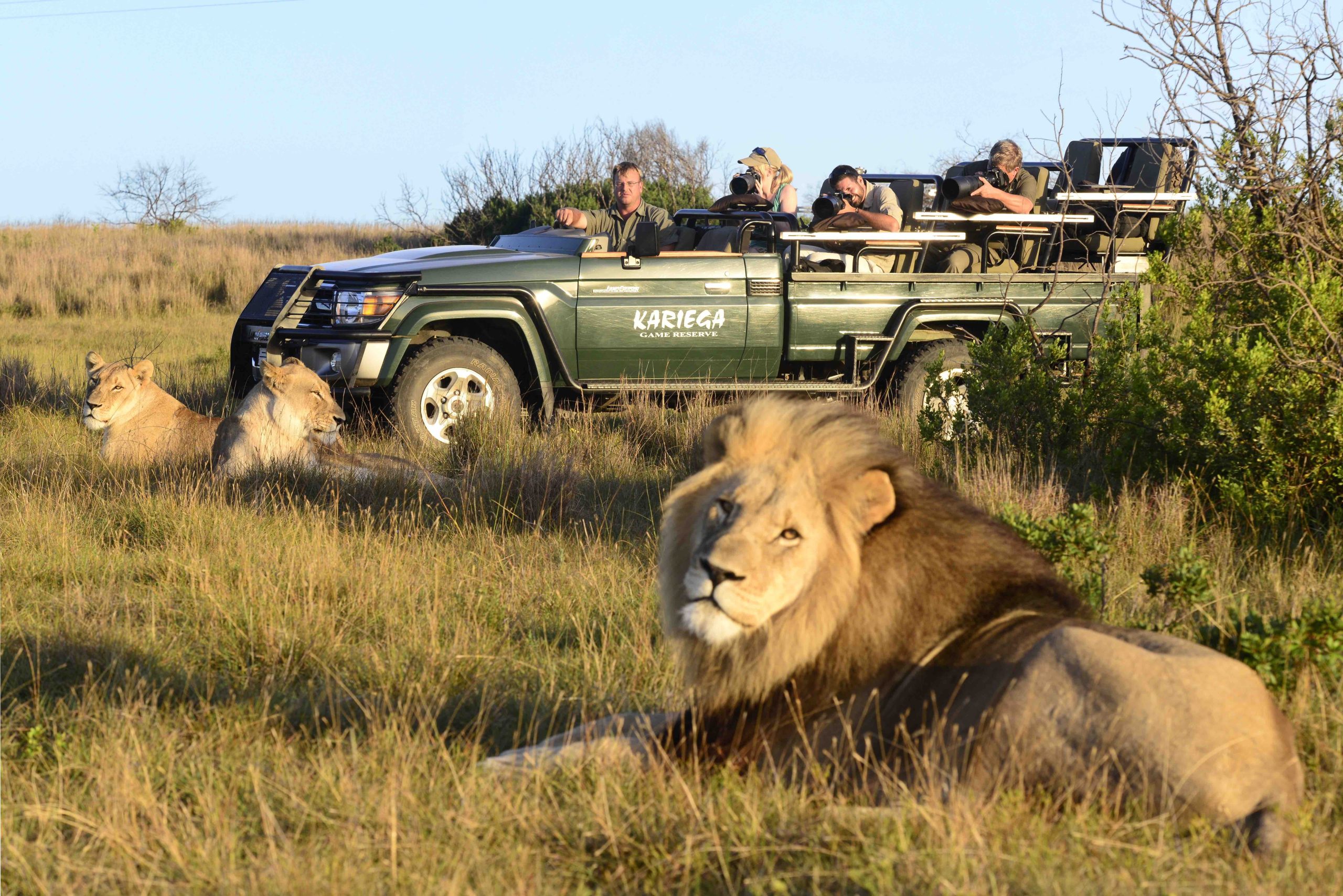
A game reserve is a protected area of land where wildlife, including animals and plants, are conserved and managed.
Ever wondered about those vast spaces on our planet teeming with life? You might have heard the term, but what is a game reserve, really? These aren’t just parks; they are deliberately managed areas.
These zones prioritize the safety and well-being of the creatures that call them home. Game reserves allow for both conservation and, sometimes, carefully controlled tourism which can also generate funds for their upkeep.

What is a Game Reserve?
Have you ever imagined a place where wild animals roam freely, just like they do in nature documentaries? That place is often called a game reserve! It’s a special area set aside to protect animals and their natural homes. Think of it like a big, safe neighborhood for wildlife. But it’s not just any neighborhood; it’s a place where people can also visit to learn about these amazing creatures and the importance of nature conservation. Let’s dive into the fascinating world of game reserves and see what makes them so important.
The Purpose of a Game Reserve
Game reserves exist for a very important reason: to help protect animals and plants. They’re like nature’s superheroes, working hard to keep wildlife safe from things that can harm them, such as hunting and habitat destruction. Imagine a place where animals can live and raise their families without having to worry about danger. That’s what a game reserve aims to be!
Protecting Endangered Species
One of the most crucial jobs of a game reserve is to protect endangered species. These are animals and plants that are in danger of disappearing completely. Game reserves provide a safe environment where these vulnerable species can thrive and increase their numbers. This gives them a much better chance of surviving for generations to come. They might be home to animals like rhinos, elephants, and various kinds of birds that need extra care and protection. Without these reserves, these creatures could vanish from our planet, and that would be a very sad thing.
Habitat Conservation
Game reserves also work hard to keep the animals’ homes – their habitats – in good condition. This means making sure there’s enough food, water, and space for them to live comfortably. They help maintain the natural landscape of grasslands, forests, and water bodies, which are vital for the wildlife. If animals lose their habitat, they have nowhere to go, and they struggle to survive. A game reserve ensures that the natural world stays healthy, which is good for the animals and the environment.
Promoting Research and Education
Game reserves are not just for animals; they’re also fantastic places for learning. Scientists come to study the animals and plants to understand how they live and what they need to stay healthy. This knowledge helps us to better protect them in the future. Game reserves also help teach visitors about nature, allowing them to see animals in their natural habitats and understand the importance of conservation. They are often called ‘living classrooms’ for the natural world!
What Can You Expect to See in a Game Reserve?
Visiting a game reserve can be an unforgettable adventure. You get the chance to see animals that you might only have seen in books or on TV before. Here’s a glimpse of what you might find:
Diverse Animal Life
The animals you’ll see in a game reserve depend on the location. You might see majestic lions and giraffes in African reserves, or perhaps deer, bears, and different kinds of birds in reserves closer to home. Each reserve is unique and will have its own special collection of creatures. The variety is often amazing. Some reserves are known for specific animals, such as certain types of elephants, or rare breeds of antelope. This is due to the specific habitats they offer, and the careful conservation efforts focused on those species.
Beautiful Landscapes
Game reserves aren’t just about the animals. They also boast stunning landscapes, from wide open grasslands to dense forests, and winding rivers and streams. The beauty of the natural environment adds so much to the experience of being there. The varied landscape is all part of what makes the game reserve special; the terrain also supports the diverse wildlife population. It is all designed to help the creatures thrive in their homes.
Guided Tours and Safaris
Most game reserves offer guided tours and safaris. These are led by experts who know all about the animals and their surroundings. They help you see animals that you might miss on your own and provide interesting information about each animal and the area. These tours are also conducted in a manner that is safe and respectful towards the animals. You often travel in special vehicles that allow for good viewing, as well as ensuring that animals are not disturbed. Some reserves even have walking safaris where you can experience the wilderness on foot.
How are Game Reserves Different From Other Protected Areas?
You might hear about other types of protected areas, like national parks, wildlife sanctuaries, and nature reserves. While they all have the same basic goal of protecting nature, there are some key differences. It is important to note that the terms ‘game reserve’ and ‘wildlife sanctuary’ are often used interchangeably, particularly in the context of South Africa.
Game Reserves vs. National Parks
National parks are usually larger areas that are often owned by the government. They are focused on protecting whole ecosystems, including the animals, plants, and landscapes within their boundaries. Often national parks allow activities like hiking, camping, and sightseeing for tourists. Game reserves, on the other hand, often focus more on specific animal conservation and might have more restrictions on tourism activities. There may be less recreational focus in game reserves, and more of an emphasis on the protection and welfare of the animals. National Parks are often also focused on preserving natural landscapes for the benefit of future generations. Game Reserves are more focussed on the active conservation of animal populations.
Game Reserves vs. Wildlife Sanctuaries
The main difference between a game reserve and a wildlife sanctuary is typically the level of active management. Wildlife sanctuaries often provide a haven for animals but may not involve the same degree of habitat management and conservation programs. Game reserves often have active programs to maintain the habitats, breed endangered species and ensure ecological balance. Game reserves are also more likely to permit limited hunting or culling under strict conditions as part of a management plan to help control overpopulation and maintain the health of the ecosystem.
Game Reserves vs. Nature Reserves
Nature reserves focus broadly on protecting the natural environment, including plants, animals, and habitats. Game reserves usually focus specifically on game animals, which are often larger, wild mammals. The term ‘game’ relates to animals that can be hunted, although most game reserves have a primary focus on preservation and protection. The emphasis in a nature reserve is on maintaining the integrity of the entire ecosystem, rather than a particular group of animals. While they might overlap in some respects, the management approaches and the species that they prioritize can be different.
What Kind of Animals Live in Game Reserves?
The kind of animals you find in a game reserve will vary greatly depending on where it’s located. Game reserves are spread all over the world, and each one has unique animal populations. Let’s explore some examples:
African Game Reserves
African game reserves are often the image that comes to mind when we think of these places. They are famous for hosting the ‘Big Five’—lions, elephants, buffalos, leopards, and rhinos. But there are also many other incredible animals to see, such as zebras, giraffes, hippos, crocodiles, and a huge variety of birds. The landscapes are varied as well and include open grasslands, dry woodlands, and lush river systems. These reserves often have vast areas of land and require special 4X4 vehicles to traverse.
North American Game Reserves
In North America, game reserves might house animals such as deer, elk, bears, bison, wolves, and various birds. These reserves might be located in forests, mountains, or plains. They provide important habitats for a variety of wildlife. The terrains can include lakes, rivers, and mountain ranges, each attracting a unique array of animals. These game reserves might also focus on the protection of local animal populations that have come under threat from human activity.
Asian Game Reserves
Asian game reserves can be home to tigers, elephants, rhinos, various kinds of monkeys, and different bird species. The habitats might include dense forests, grasslands, and wetlands. These diverse habitats support a huge range of animals, including some of the most endangered species in the world. The importance of these reserves cannot be overstated, as they are often the last safe havens for these vulnerable creatures.
Other Examples
Of course, there are game reserves in other parts of the world as well. For instance, some Australian game reserves might have kangaroos, koalas, and a unique collection of birds. South American reserves might protect animals such as jaguars, pumas, and a variety of tropical birds. The variety of wildlife is one of the most exciting aspects of game reserves, highlighting the biodiversity of our planet.
The Importance of Game Reserve Management
Managing a game reserve is a complicated task. It involves more than just fencing off a piece of land and letting the animals roam freely. It needs thoughtful planning, careful implementation, and ongoing monitoring. The success of a game reserve hinges on how well it is managed. The ultimate objective is to create a self-sustaining ecosystem that allows the wildlife to thrive.
Anti-Poaching Measures
Poaching is a major threat to wildlife. Game reserves put in place security measures to protect animals from poachers. This can include armed patrols, tracking systems, and community engagement programs. These efforts are vital to the survival of many endangered species. Anti-poaching units are often equipped with vehicles, helicopters and drones to help with patrolling the area. They also work closely with local communities to get help with protecting the wildlife.
Habitat Maintenance
Maintaining the animals’ habitat is a crucial part of game reserve management. This could include things like controlling invasive plant species, creating watering holes, and making sure that there’s enough food for the animals to eat. Healthy habitats support healthy animals. Invasive species can often choke out native plants, so controlling these plants is crucial. The maintenance programs are tailored to the specific needs of each game reserve, and the animals they support.
Population Control
Sometimes, populations of certain animals grow too large, which can cause problems like overgrazing and shortages of resources. Game reserve managers sometimes have to control these populations in humane ways, such as relocating animals to other areas, or using contraception. It is important to manage populations responsibly to maintain the health and balance of the ecosystem. Overpopulation can lead to disease and food shortages which can be detrimental to all the animals.
Community Involvement
Game reserves also work with local communities to help with conservation. They might provide jobs and education to local people. When the local community is involved, the reserves are more sustainable in the long-term and are more likely to thrive. Community involvement programs are also designed to teach local residents the importance of conservation. It is essential for the long-term preservation of the wildlife.
Research and Monitoring
Game reserves also conduct research and monitoring programs. They might track animal populations, study animal behavior, and monitor the health of the ecosystem. This research helps them make informed management decisions, and to adapt their approaches as needed. The data collected also allows them to adapt their programs based on real-world evidence.
How Can You Visit a Game Reserve?
Visiting a game reserve is a great way to learn more about wildlife and support conservation efforts. It can be an experience of a lifetime. Here’s some important things to keep in mind when planning a visit:
Planning Your Trip
Before you go, do your research and pick a game reserve that interests you. Consider things like what kind of animals you want to see, the best time of year to visit, and what activities are available. Make sure to check out the reserve’s website for important information. Check also reviews online from other visitors, so that you know what to expect. Planning in advance is critical, especially during the peak tourist seasons. Booking can also be essential to secure your spot on a game reserve tour.
Booking Your Accommodation
Most game reserves provide different types of accommodations, from basic campsites to luxury lodges. Book in advance, especially if you are planning to visit during the busy season. The style of accommodation varies considerably from game reserve to game reserve. Accommodation can often be a memorable part of the whole experience. This can range from canvas tents to multi-room suites with private pools. Make sure to check the reviews from previous visitors before making a decision.
Respecting the Animals
When you visit a game reserve, remember that you are a guest in the animals’ home. Always follow the reserve’s rules and your guide’s instructions. Keep a safe distance from the animals and never disturb them. Remember that they are wild animals, so keeping a respectful distance is essential for your safety as well as the animal’s. Avoid making loud noises or approaching animals closely, or they may become frightened or even feel threatened.
What to Bring
Bring binoculars so you can get a better look at the animals. Wear neutral colored clothing and comfortable walking shoes. Bring a hat, sunscreen, and insect repellent to protect yourself from the sun and bugs. Don’t forget your camera, so that you can capture all of the incredible things you will see. A refillable water bottle can also help you stay hydrated. When packing, remember that you might also encounter various weather conditions.
Supporting Conservation
By visiting a game reserve, you are also helping with conservation efforts. The fees that you pay to enter the reserve go directly towards funding important programs that help wildlife. You are actively helping to protect them and their homes. Your visit becomes a contribution towards making sure these animals are around for generations to come. Some reserves even offer ways for you to make an additional donation or to buy merchandise to support their work.
In short, game reserves are vital for protecting wildlife and their habitats. They are places where we can learn about the natural world and help conserve it for the future. They provide opportunities for unforgettable experiences, while also doing so much for conservation. By supporting game reserves through visits and donations, you are making a valuable contribution to helping ensure that wildlife remains protected and that we have healthy natural ecosystems. Game reserves serve as vital havens for our world’s incredible wildlife, and they play a very important part in keeping our natural heritage alive.
Game Reserve Meaning : Definition of Game Reserve
Final Thoughts
A game reserve is a protected area of land where wildlife, including animals and plants, thrives. People manage these areas to conserve biodiversity. They often allow tourism with strict regulations.
These reserves aim to preserve species and habitats. They prevent over-hunting and habitat destruction. This provides a safe environment for animals to breed.
Ultimately, what is a game reserve? It’s a managed sanctuary that protects nature, allowing for the conservation of wildlife. The main goal is safeguarding the natural world.

