
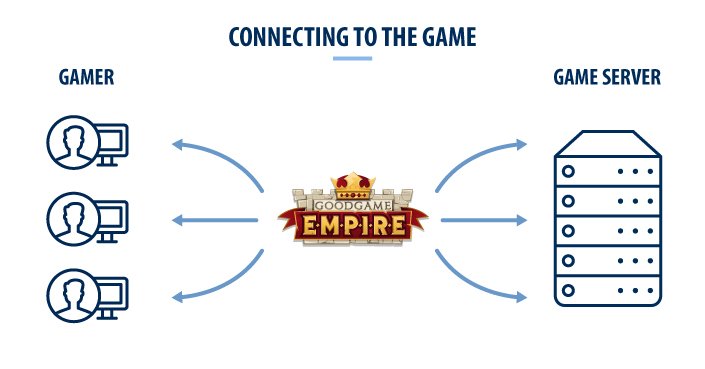
A game server is a computer that hosts and manages the multiplayer aspects of a video game, allowing players to connect and interact within a shared virtual world.
Have you ever wondered how so many people can play an online game together simultaneously? It’s not magic; it’s all thanks to the game server. This vital piece of technology acts as the central hub, facilitating interaction. Knowing what is a game server is fundamental for anyone interested in online gaming.
Essentially, it’s a powerful computer dedicated to running the game environment. The server handles player data, game rules, and everything that makes the multiplayer experience possible.

What is a Game Server?
Ever played an online game with your friends? Maybe you’ve teamed up in a battle royale, explored a magical world together, or raced each other across a digital track. If you have, you’ve likely connected to a game server! But what exactly is a game server? It’s like the hidden engine that powers your favorite multiplayer experiences. Let’s dive in and find out what makes these servers tick.
The Core Role: A Central Hub for Multiplayer Games
Imagine a playground. Kids from all over come to play together. Now, think of a game server as that playground, but in the digital world. It’s a powerful computer that acts as a central hub, connecting all the players in a multiplayer game. This server hosts the game itself – the rules, the world, and all the action. Without it, your awesome online game would simply be a single-player experience!
Key Functions of a Game Server
A game server does much more than just connect players. Here’s a breakdown of its main responsibilities:
- Game World Management: The server keeps track of everything happening in the game world. This includes player locations, the state of the environment, non-player characters (NPCs), and all the virtual objects in the game. It’s like a detailed record keeper for the entire game universe.
- Player Interaction Handling: When you move, shoot, or interact with something, your actions are sent to the game server. The server processes these actions and updates the game world. Then, it sends these updates back to all the players, ensuring that everyone sees the same thing happening.
- Rules Enforcement: Every game has rules. The game server makes sure that everyone plays by those rules. It prevents cheating, keeps scores fair, and maintains the game’s integrity.
- Data Storage: The game server stores important information about the game, like player progress, high scores, and customizations. This way, when you come back to play, your progress isn’t lost.
- Communication Between Players: In games where you can chat or communicate with other players, the game server often facilitates this communication. It helps make sure that everyone can hear or read messages sent by other players.
Types of Game Servers
Just like there are different kinds of games, there are different kinds of game servers. Here are a few common types:
Dedicated Servers
These are the workhorses of the gaming world. Dedicated servers are powerful machines that are solely focused on running the game. They are reliable, offer consistent performance, and are generally used for large multiplayer games. They don’t run anything else, so all their resources go to making sure the game runs smoothly. Think of them as professional athletes, entirely dedicated to their sport. These are most likely what you’re connecting to when playing online games.
Listen Servers
A listen server is a game server hosted on one of the player’s computers. It’s a simpler setup that’s often used for smaller games or when playing with friends. When someone hosts a listen server, their computer acts as both a game client (the part of the game you play) and a server at the same time. This is similar to someone hosting a board game party at their home, they are playing and managing the game. This approach can lead to some performance issues if the host’s computer is not powerful enough or if their internet connection isn’t great.
Cloud Servers
Cloud servers are hosted on remote data centers. They offer a scalable and flexible solution for game developers. They allow games to handle a large number of players without needing to invest in their own expensive hardware. Cloud servers allow for quick adjustments to handle more or fewer players as the game popularity grows. This is like having a super powerful, rented playground that can grow or shrink depending on how many kids are playing.
The Technical Side: Behind the Scenes
Let’s peek under the hood at how a game server actually works:
The Server’s Hardware
Game servers need powerful hardware to handle all the complex tasks involved. This usually includes:
- Powerful Processors (CPUs): To quickly process player actions and game calculations.
- Plenty of RAM (Memory): To hold all the game world data and player information for quick access.
- Fast Storage (SSDs or NVMe): To store and retrieve game data quickly.
- Reliable Network Connection: To ensure smooth and fast communication with players.
The Server Software
The hardware needs software to actually run the game. This software includes:
- Game Engine: The foundation of the game, handling graphics, physics, and core game mechanics.
- Server Application: The core program that handles player connections, gameplay logic, and communication.
- Operating System: Provides the platform for the game server to operate.
The Connection Process
When you start an online game, this is what happens:
- Client Requests Connection: Your game client sends a request to the server to join.
- Server Authorizes Connection: The server checks if your game is valid and allows you to connect.
- Data Exchange: Once connected, your game client and the server continuously exchange data to keep everything synchronized.
- Game Play: You are now playing in the same game world as other players.
Why are Game Servers So Important?
Game servers are not just a cool tech detail. They’re essential for the kind of online gaming experiences we enjoy today. Here’s why they matter:
Enabling Multiplayer Gaming
Without game servers, the multi-player gaming world would be very different. They make it possible for many players to connect and interact within the same game environment, creating the dynamic and social experiences that we have come to love.
Maintaining Game Consistency
They ensure that every player sees the same game world. Without a central server, each player would have their own version of the game. This would make playing with others impossible.
Preventing Cheating
Because game servers are in charge of the rules of the game, it is harder for players to cheat. The server keeps a close eye on the actions of all the players.
Managing Large Player Bases
Game servers, particularly dedicated and cloud servers, are built to handle many players at the same time. This makes it possible to have massive online games with thousands, even millions of players.
Game Server Hosting: Running Your Own Server
Interested in running your own game server? Here’s a quick look at what’s involved:
Choosing a Game Server Type
First, you need to decide whether you’ll be using a dedicated server, a listen server, or a cloud-based server. Your choice will depend on the game you wish to host, the number of players you expect, and your technical capabilities.
Finding a Server Provider
If you choose to use a dedicated server or a cloud server, you’ll need to find a reliable server provider. Look for providers that offer powerful servers, good bandwidth, and good customer support.
Setting Up Your Server
Setting up a game server can be a bit technical, depending on the game. Usually, you’ll need to install the required game server software, configure settings, and set up any required security measures.
Maintaining Your Server
After your server is up and running, you’ll need to monitor its performance. This includes keeping the software updated and making sure the server is running smoothly. Sometimes, you might need to make changes to the settings to make sure the server performs well.
The Future of Game Servers
The technology of game servers is still evolving. Here are some things we can expect to see in the future:
- More Scalability: Servers will become even better at handling more players, while still keeping things running smoothly.
- Improved Performance: Game servers will continue to improve their performance, making games more responsive and fun to play.
- Better Security: Game server security will continue to improve to protect players and the game from hackers and cheaters.
- Advanced Cloud Technologies: More games will take advantage of cloud server technologies. This means games that are accessible from a lot more places and on a lot more devices.
So, game servers are really important, right? They are the backbone of the awesome multiplayer games we enjoy, enabling us to connect with other players, explore vast virtual worlds, and engage in epic adventures. From the smallest indie game to the largest online battle royale, game servers make it possible. And as technology keeps getting better, game servers will be able to give us even better experiences in the future.
What Is A Dedicated Game Server & Why Is It IMPORTANT?
Final Thoughts
Essentially, a game server is a computer that hosts multiplayer game sessions. Players connect to it, enabling them to interact within the game world. The server handles game logic and data.
This crucial piece of infrastructure allows for shared experiences. Players from different locations can engage in the same match. Understanding what is a game server reveals its central role in online gaming.

