
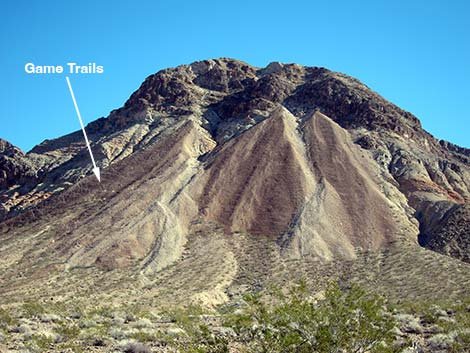
A game trail is a path created by animals through repeated use of the same route.
Have you ever walked in the woods and noticed a well-worn path that didn’t appear to be made by people? You’ve likely stumbled upon what is a game trail. These natural pathways are common in various habitats.
They’re essentially highways for wildlife. Animals follow the easiest routes, and these routes become trails over time. We can learn a lot about an ecosystem by observing these animal-made paths.

What is a Game Trail?
Imagine you’re walking in the woods, and you see a path that doesn’t look like it was made by people. It’s not perfectly straight, and it might have little bits of leaves and twigs pushed to the sides. That, my friends, could very well be a game trail! Game trails are like highways for animals. They’re the paths that animals use to travel through their homes in the wild. These trails aren’t made with bulldozers or shovels; they’re formed over time as animals repeatedly walk the same routes. Let’s explore what makes game trails so fascinating and important.
How Game Trails are Formed
Game trails don’t just magically appear overnight. They develop slowly as animals move along their preferred paths. Think about your walk to school each day. You probably take the same way, right? Well, animals do the same thing! They learn which paths are easiest and safest, and they stick to those routes.
Repetitive Travel Creates Trails
Imagine a deer going to its favorite watering hole. If it walks the same way every day, the grass and other plants begin to flatten out. Over time, the soil becomes more compacted, making the path easier to follow. This repetitive travel is the main way that game trails come into existence.
Natural Forces Contribute
While animal traffic is the main creator, other things help shape a game trail. Rain and wind can erode the soil, making the path more distinct. Fallen leaves or branches will also get pushed out of the way by animals, adding to the trail’s defining characteristics. Sometimes, even the way water flows can influence where these paths form.
Types of Animals that Make Game Trails
Many types of animals use game trails, each leaving behind their unique “signature” on the paths. Here are some common types of animals and the kind of game trails they create:
- Deer: Deer create well-worn trails that are often easy to spot. They tend to be about a foot or two wide, and you might find deer droppings or tracks along them. They use these to travel between feeding areas, resting spots, and water sources.
- Wild Pigs/Boar: Wild pigs often create broader and more heavily disturbed paths because they frequently root around in the soil, looking for food. You can sometimes see where they’ve been digging or wallowing.
- Rabbits and Hares: These smaller creatures make more subtle trails, often looking like narrow, weaving paths through tall grass. Their trails might be less noticeable at first glance.
- Foxes and Coyotes: These carnivores often use game trails made by other animals. However, you might also find small, distinct paths that are specific to them. They usually take well covered routes for safety.
- Bears: Bears are large and powerful, so they can create significant trails that are wide and very distinct. Look for deep impressions in the soil or claw marks on nearby trees.
Why Animals Use Game Trails
Now that we know how game trails are made, let’s discuss why animals choose to use them. It’s not just random; there are some very good reasons:
Efficiency and Energy Conservation
Walking through thick brush or uneven terrain uses a lot of energy. When animals follow an established trail, it’s much easier and more efficient. They don’t have to work as hard to move from one place to another. This is especially important for animals that have to travel long distances to find food or water. It’s like taking a well-paved road instead of stumbling through a field.
Safety and Security
Game trails are often in areas where animals feel safer. These areas may have more cover from predators or allow them to move more quickly. Also, animals use these trails to know where their predators, prey, or other members of their group have traveled recently. This way, they are more aware of their surrounding. Think of it like taking the same well-lit path home at night instead of going through a dark alley.
Navigation and Familiarity
Animals use game trails for navigation. These established paths allow them to travel from one place to another with less hassle. It allows animals to learn their territory by using the same paths regularly, which makes them aware of various things in the areas they live in.
Social Connections
For social animals, game trails can be important for keeping in touch. Many animals travel in groups. These game trails are like the “family road” for them. Animals leave behind scents on the trails, which helps them keep track of each other and stay connected. It’s like a natural message board!
How to Identify a Game Trail
Learning to spot a game trail can be a fun and fascinating part of any outdoor adventure. Here are some key things to look for:
Visual Clues
- Flattened Vegetation: The most obvious sign is that the grass and plants along the trail are flattened and worn down.
- Compacted Soil: The soil on a game trail will feel harder and more compact than the surrounding areas.
- Bare Earth: In some cases, the trail will have very little or no vegetation, with bare earth exposed.
Tracks and Other Signs
Besides visual clues, there are other signs that can indicate you’ve found a game trail:
- Animal Tracks: Look for tracks of different animals on the path. These could be deer hooves, pig footprints, rabbit paw prints, or claw marks.
- Droppings: You might find animal droppings (scat) along a game trail.
- Scratches and Rubs: On trees near the trail, you might find scratches or rubs where animals have marked their territory.
Location and Pattern
Understanding where to find game trails can also help:
- Near Water Sources: Many game trails lead to or from water sources such as streams, ponds, or lakes.
- Between Feeding and Resting Areas: Animals often use trails to travel between where they eat and where they sleep.
- Following Natural Contours: Game trails often follow the natural shape of the land, avoiding steep or difficult areas.
Game Trails and Humans
Humans, like animals, have been using these trails for centuries! Even today, understanding game trails can have many benefits for people.
Hunting and Tracking
Hunters have long used game trails to track animals. Knowing where animals travel can be very helpful in finding game. If you know where the animals like to travel, it makes things a lot easier.
Wildlife Observation
Game trails can be great places to observe wildlife in their natural habitat. You can set up cameras, watch from a distance, and learn about animal behavior without disturbing them. It’s like having a backstage pass to the animal kingdom!
Hiking and Outdoor Recreation
Sometimes, human trails and game trails overlap. Hikers often use game trails, which gives them a chance to see more wildlife. However, it’s important to be respectful when using these trails so that you don’t disturb the animals.
Land Management and Conservation
Understanding where game trails are located can help with land management and conservation. Protecting these corridors is very important for animal populations. It also helps ensure that animals can have free access to their favorite areas for food, water, or resting areas.
Research and Study
Biologists and other scientists use game trails to learn about animal movements, population sizes, and their interaction with the environment. It helps us understand how the entire environment functions and helps to keep everything in check.
The Importance of Respecting Game Trails
When you’re exploring outdoors and you come across game trails, it is essential to respect them. These trails are very important to the animals that use them. Here are some tips for being respectful:
- Stay on existing trails: Try to stay on existing trails whenever possible, and avoid creating new paths. This helps to minimize your impact on the environment.
- Avoid disturbing wildlife: Do not approach or interact with animals that you see on or near a game trail. Observe them from a distance and never try to feed them. It’s important to let them be and allow them to be in their natural habitat.
- Don’t leave trash: Always pack out any trash that you bring with you. Make sure to leave the area as you found it, or even better!
- Be mindful of scents: Animals use scent to communicate, so avoid leaving behind strong smells that could confuse or disturb them. Try to avoid bringing pets, as their scent can throw them off.
- Educate Others: If you are with friends or family, share with them the importance of being respectful of game trails. This way, everyone can be a part of the effort to keep the animals and their habitat protected.
Game trails are an integral part of the natural world. They are like living maps, showing the movements of animals through their habitat. Whether you’re a hunter, hiker, scientist, or just someone curious about nature, understanding game trails can give you a deeper appreciation for the interconnectedness of all living things. By respecting them, we are helping to protect the creatures that rely on them for survival.
BEFORE you buy a Trail Camera: Truths vs Misleading Advertising! What to look for in a good Game Cam
Final Thoughts
Game trails are pathways animals create through repeated use. These trails often follow lines of least resistance. Animals use them for travel, foraging, and accessing water.
Identifying these paths can aid in wildlife observation. So, what is a game trail? It’s essentially a naturally formed route. These routes show animal movement patterns.

