
A legacy board game is a tabletop game that changes permanently over multiple play sessions, often through actions like adding stickers to the board, writing on cards, or destroying components.
Have you ever played a board game where each session felt the same? Well, a different type exists. Imagine a game where your choices have real consequences, where the board itself evolves alongside your gameplay. That is the core of what is a legacy board game.
These games offer a unique experience, not just a single play but a campaign. It tells a story that changes based on your decisions during the game.

What is a Legacy Board Game?
Okay, imagine your favorite board game. You know, the one with all the pieces and the rulebook. Now, imagine that game… changing. Not just a little, but in big, surprising ways every time you play. That, in a nutshell, is what a legacy board game is all about! It’s not just a game; it’s an experience that evolves, grows, and tells a story as you play. So, let’s dive deeper and explore all the fun twists and turns of these amazing games.
The Core Concept of Legacy
At its heart, a legacy board game is designed with permanence in mind. Regular board games reset after each play, but legacy games keep track of your actions and decisions from one session to the next. You aren’t just playing a single game; you are playing through a campaign of interconnected plays. Think of it like a TV show where each episode (your game session) impacts what happens in the next one. This creates a very personal and engaging experience. The actions you take – the characters you develop, the places you explore, the choices you make – directly shape the ongoing narrative.
Permanent Changes
One of the most distinct features of legacy games is that they change physically. Players will often make marks on the game board, permanently stick on cards, add stickers to the game pieces or even destroy certain elements. This means that when you play a legacy game, it is a unique copy of the game and will never be the same as anyone else’s copy, or even your own before you played it the first time. Here’s a glimpse into the sorts of changes you might encounter:
- Stickers: You might add stickers to the game board, characters, or cards to show new abilities, conquered territories, or even lasting damages.
- Writing: You might be asked to write character names on their cards, or to document discoveries in the game world.
- Tearing Up or Destroying Cards: In some games, you’ll be instructed to rip up certain cards when conditions are met, permanently removing them from the game.
- Adding Components: Over time, you might add new cards, tokens, or even entire rule sets to the game.
Why are Legacy Games So Popular?
Why are people so crazy about legacy games? Well, several reasons make them really stand out:
Unique Experiences
Every game you play is unique, and it’s impossible to go back to a previous state. This helps create a deep sense of shared memories, especially when you play with the same group of people. You’ll find yourselves saying “remember when” often, which is part of the appeal. Since the choices you make stick with the game, there is a real sense of ownership. You and your fellow players are actually creating the story of the game as you play.
Engaging Storytelling
Legacy games usually have a detailed narrative, often broken down into campaign scenarios. It’s like reading an interactive book, where your choices influence the direction and events that unfold. You’re not just playing a game, you’re living in a story that’s being co-created with your friends or family.
Long-Term Engagement
Because legacy games unfold over multiple sessions, they keep you engaged for a much longer time than a regular board game. It’s like starting an epic adventure that you want to see all the way to its conclusion. You get to invest in your characters, learn about the game world, and see the consequences of your actions over a long period of time.
The Emotional Connection
The permanent nature of changes leads to a special bond with the game. When you damage something you feel the loss more. When you improve something you feel the accomplishment more. The decisions you make are more important, creating genuine emotions and making the experience more meaningful.
How Legacy Games Differ from Regular Board Games
Let’s compare legacy games with typical board games to see what sets them apart:
Regular Board Games
- Reset: You can play a standard game as many times as you want and it will usually return to the same starting state.
- Rules Stay Constant: The rules are fixed and do not change between plays.
- Gameplay is Isolated: Each play is a separate experience. There isn’t a link between your previous game sessions
- Less Character Development: Typically, there is no long term character development that is unique to each campaign.
Legacy Board Games
- Evolving: They change permanently between sessions, making each playthrough unique.
- Rules Evolve: New rules are added, or removed, as the game progresses.
- Gameplay is Connected: Every play affects future sessions and there is an overall campaign to complete.
- Character Growth: Players characters usually develop in unique ways, creating a custom experience for each game.
In essence, standard games are like watching a single episode of a TV show again, whereas legacy games are like a complete season where each episode changes the overall story. Legacy games change the board and your approach to the game whereas typical board games remain the same each play.
Popular Legacy Board Game Examples
Want to see some of the amazing titles in the legacy board game world? Here are a few examples:
Pandemic Legacy
In this game, players work together to stop deadly diseases from spreading across the world. Each game you play will evolve the game and its rules, and if you fail, then it’s possible that countries will fall. This game can become intensely challenging as you move through the campaign.
- Cooperative Gameplay: Players collaborate to combat disease outbreaks.
- Global Strategy: Manage resources, travel the world and try to keep the diseases from getting out of control.
- Evolving World: The game board and cities on the map change as the campaign goes on, making each play unique.
Gloomhaven: Jaws of the Lion
This is a fantasy adventure game where players play as mercenaries who explore dangerous places and battle monsters. This is a legacy version of the more complex game Gloomhaven, and is a fantastic place to start if you are interested in this genre.
- Character Progression: Characters improve and gain new abilities through play, giving a sense of personal growth.
- Tactical Combat: Engage in battles on a hex map, using cards to define the action.
- Engaging Story: Explore a rich fantasy world with a compelling plot.
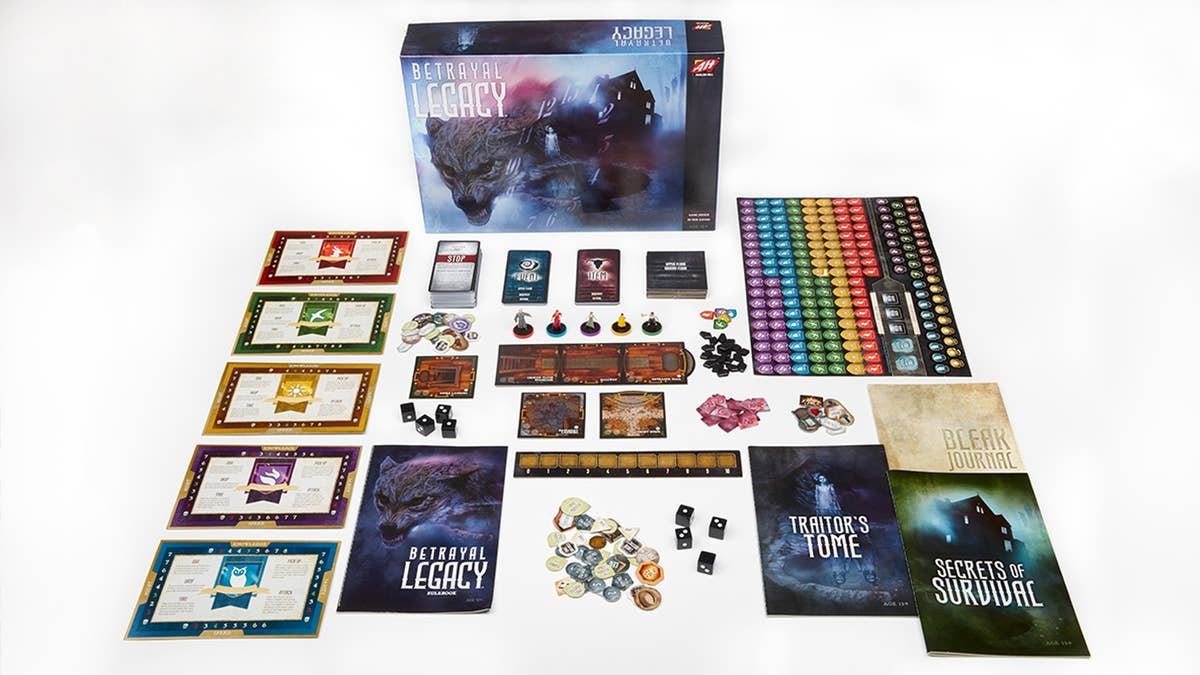
Betrayal Legacy
This is a spooky exploration game where you’re in a haunted house. The house changes as you explore, and there’s a chance that one of the players might turn traitor.
- Traitor Mechanic: One player may become a traitor and work against the rest of the players.
- Story Driven: Players explore a haunted house and follow an overarching story as the game progresses.
- Unique Scenarios: Every campaign will change the house layout and the end goals making for a truly unique experience.
My City
This is a more approachable legacy game, where you develop a town over many generations. Each game is a small puzzle where you add buildings to your town, making the game fun for beginners.
- Simple Rules: The core rules are easy to learn, allowing you to jump in with not much setup.
- Strategic Placement: Players use polyomino pieces to develop their own city, adding challenges each campaign
- Accessible Legacy: A fantastic introduction to the legacy board game genre.
The Importance of the Group
Legacy games work best when you play with the same group of friends. Since the story is developing along with your game board, making plans with the same people for all of the games will allow you to really experience what legacy games have to offer. That way, everyone is invested in the story and the consequences of the game’s choices. Here’s why the group is so crucial:
Shared Experiences
You and your fellow players will create unique memories and stories together. The victories and losses along the way will become important parts of the experience that will be remembered for a long time.
Commitment
Legacy games usually take many plays to get through the entire story. Having a regular group will make sure that everyone is invested in the game. This helps make sure everyone has a vested interest in completing the game together and will help to keep the campaign moving.
Team Dynamics
Playing the game is a shared experience, so you need to be able to collaborate, strategize, and make decisions together. The choices you make together will make the experience that much more rewarding.
Is a Legacy Game Right for You?
Legacy games offer a wonderful way to play, but are they right for everyone? Here are a few things to consider before jumping into a campaign:
Time Commitment
They are not quick games and need a fair bit of time set aside. Make sure you have enough time to dedicate for each gaming session and for the entire campaign to be played over time. If you are looking for a short game, then these are not the right style of games to choose.
Permanent Decisions
Because the game will physically change, each decision will have a lasting effect on the game. This aspect is part of the experience, but it also means that you have to be ready to commit to those choices.
Cost
Legacy games tend to be more expensive than regular games. However, if you consider that you are buying a game that will be played multiple times over many sessions, then the cost is worth it in the long run.
Shared Experience
Legacy games are best enjoyed with a consistent group. If you don’t have regular access to a group of friends, it might be better to wait until you can find the time to play with them.
Legacy board games offer a unique, immersive, and unforgettable gaming experience. The evolving stories, permanent changes, and shared experiences create a sense of ownership and connection that regular board games simply can’t match. If you are looking for something more that the standard board game, then a legacy game is absolutely worth your time!
What is a Legacy Game?
Final Thoughts
Legacy board games are unique experiences. Players permanently alter the game components during play. These changes affect future sessions, creating a story.
The game evolves as you play, presenting fresh challenges. Therefore, the replayability hinges on the narrative progression. Ultimately, what is a legacy board game? It’s a board game where choices matter and the game itself changes.

