
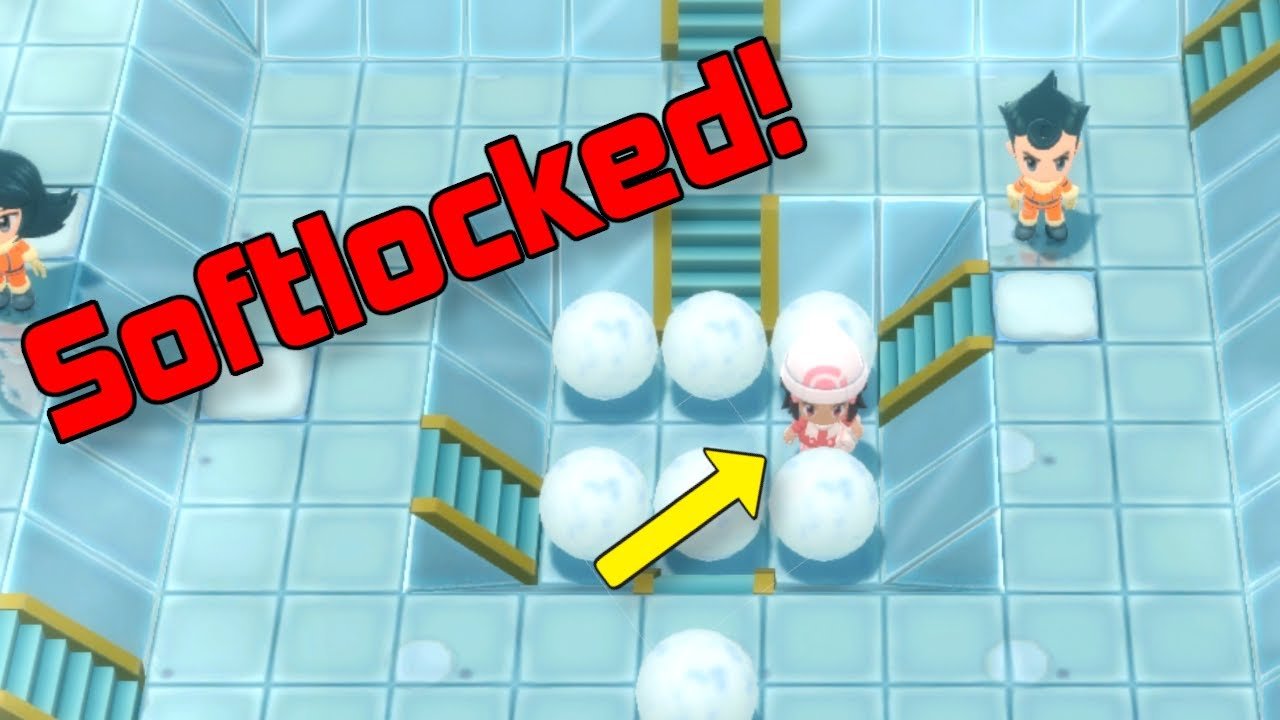
A soft lock in a game occurs when a player becomes unable to progress further due to an unintentional situation, but the game itself doesn’t crash or freeze.
Have you ever felt stuck in a game, not because it’s challenging, but because you seem to have painted yourself into a corner? It’s frustrating, right? That feeling might mean you’ve encountered what is a soft lock in a game. Imagine being in a position where you can’t get past an obstacle or a puzzle, not because of difficulty, but due to something not working as intended. This can happen because of glitches, or design flaws. Soft locks don’t break the game, but can really interrupt your gameplay.

What is a Soft Lock in a Game?
Have you ever been playing a video game and felt like you were stuck? Not stuck because the game was too hard, but stuck in a way that made it impossible to move forward? If so, you might have experienced a soft lock. Soft locks are frustrating situations in games where you can’t progress, even though the game isn’t technically broken. Imagine getting lost in a maze and running out of food. You’re not dead, but you’re not going anywhere either. That’s kind of what a soft lock feels like.
Understanding the Basics of a Soft Lock
A soft lock is different from a hard lock, which is a crash or major bug that stops the game completely. Think of a hard lock like your game turning off suddenly. A soft lock, on the other hand, is more like being trapped in a room with no door. The game is still running, but you’re stuck in an unwinnable state. You might be able to move around a bit, but you cannot finish the current task or move to the next stage. It’s like the game has put you in time-out! Soft locks often happen because the game designers didn’t think of every possible thing a player might do. Sometimes, it’s an error with how the game logic works when unexpected actions are taken.
Key Differences Between Soft Locks and Hard Locks
Let’s break down these two types of game issues further:
- Hard Lock: The game freezes, crashes, or completely stops working. You usually have to restart the game to fix it. This is often caused by a major error in the game’s code.
- Soft Lock: The game keeps running, but you can’t make any progress. The game doesn’t crash, but you’re essentially stuck in a loop or an impossible situation. This can happen from an oversight in the game design.
Common Causes of Soft Locks
Soft locks can come about in many ways. It’s like when you accidentally mix two things that just don’t go together! Here are some of the common reasons why they might appear:
Missing Items or Resources
Sometimes, a game requires a specific item to move forward. If you accidentally lose that item or use it in the wrong place, you might find yourself in a soft lock. This commonly occurs in adventure games where solving a puzzle requires a specific key or tool. Imagine needing a special glove to grab something, but you accidentally threw that glove away. You would be stuck and unable to move forward. In role-playing games (RPGs), this could involve using a rare consumable item for a lesser challenge early in the game, thus making it impossible to proceed further when the game requires that item.
Incorrect Sequence of Actions
Many games require you to do things in a certain order. If you do things out of order, you might get stuck. For example, maybe you need to activate a switch before going to a new area, but you went to the new area first. Some games have really complicated ways to go wrong with action sequences! This is like trying to bake a cake and putting the frosting on before you bake it—it just won’t work!
Environmental Traps
Sometimes, the game’s world itself can cause a soft lock. Maybe you jumped into a pit that you can’t get out of or you’re trapped in an area with no way to escape. Imagine getting stuck in a tiny room with no doors or windows—that’s what these environmental traps can feel like. This is something that level designers need to pay attention to, especially during the quality assurance process.
Poorly Designed Puzzles
Sometimes, a puzzle might be designed in a way that allows the player to put the puzzle into an unsolvable state. The game might not recognize that the puzzle is unsolvable, so it doesn’t offer the player a way to reset it, or offer a way to fix it. For instance, you might move pieces in a puzzle in the wrong way, causing it to be impossible to complete. And the game gives you no choice but to start the puzzle again or in some cases, the entire game.
Scripting Issues
Games often use scripts to trigger events. If a script doesn’t activate correctly because you didn’t meet a certain condition or an error occurred, the game can get soft-locked. This can be due to a minor coding error where the script doesn’t happen in the order it’s supposed to. Such scripting issues are a huge cause of soft locks.
Unforeseen Player Actions
Players, especially creative ones, can often do things the game developers did not anticipate. If the game’s logic doesn’t account for a particular player choice, it might lead to a soft lock. This can be because the game has limitations or some coding error and you manage to exploit it in some way and the game can’t cope with it. In such case, you will likely see a soft lock.
Examples of Soft Locks in Different Game Genres
Soft locks can show up across different types of games. Let’s look at some examples:
Adventure Games
Imagine a classic point-and-click adventure game where you need a key to open a door, but you have used it in an earlier part of the game on something else. You’re now trapped in a room with no way to go back or get the key again. This is a common type of soft lock in adventure games.
Role-Playing Games (RPGs)
In RPGs, you might accidentally use an important item or sell it to a merchant, only to discover later that it’s required to progress in the story. Or, maybe you took on a particular side quest which was a level above you and now you are severely underleveled to complete the main quest too. Now, you’re underpowered and stuck. Similarly, maybe you have depleted the health potions, so you are unable to battle the boss or even proceed forward.
Platformers
In a platformer, you could get stuck in a small area due to a mistimed jump or by accidentally knocking something into the path and preventing you from progressing, effectively sealing you in. Many platformers have areas where this type of problem occurs.
Puzzle Games
Puzzle games are very vulnerable to soft locks. For example, in a block-pushing puzzle, you might push blocks into positions that make the puzzle impossible to solve. The game might not recognize this and therefore, you might be stuck in an unsolvable puzzle with no option to reset the puzzle. In other cases, sometimes you need a certain number of resources to start the puzzle, but if you have used them for something else, you can’t complete the puzzle.
Sandbox Games
Even sandbox games, which offer a lot of freedom, are not immune to soft locks. A player might build in a way that prevents them from accessing critical resources or they might have done something that renders some required resources to become unusable, thus preventing them to complete quests or build essential structures.
How Developers Try to Prevent Soft Locks
Game developers work very hard to avoid soft locks. Imagine them being like detectives, looking for all the ways players can accidentally get stuck! Here are some of the ways they try to prevent soft locks:
Thorough Testing
Before a game is released, it goes through a lot of testing. Playtesters try all sorts of crazy things to see if they can get the game to soft lock. It’s like having a group of friends try to break a toy before you give it to other people. This process is critical and crucial to get rid of most of the common bugs and soft locks. In addition to in-house play testers, professional testing companies are sometimes hired to test for soft locks in games.
Game Design Best Practices
Game designers use various strategies to avoid creating situations that lead to soft locks. Some of these strategies include making sure that items that are required to progress the game cannot be discarded or consumed. Also they avoid puzzles that can become impossible to complete, or try to make sure that the game has backup ways to deal with difficult situations. Another practice is that essential resources are not limited and or can be found from several sources.
Checkpoints and Saves
Saving the game often helps if you do manage to get stuck in a soft lock. If the game has frequent saves or checkpoints, you can usually go back to an earlier save and avoid the soft lock. Games with this saving system provides multiple points where you can jump back without loosing much progress. If games had no checkpoint system, then soft locks would be more frustrating, and players may even not play the game again.
Error Handling and Reset Mechanisms
Good games often have systems to detect if a player is in a soft lock. Sometimes, the game can provide ways to reset the current task or puzzle so you can try again. Some games might even have automatic features to reset the game if the player gets stuck for a long period of time. If the system detects that the player is stuck, it may even show a prompt or option to reset the puzzle.
Clear Objectives and Guidance
Games that make it very clear on what the player must do next can help reduce situations leading to a soft lock. Proper directions help the players to move forward in the right direction and they are less likely to encounter situations where they have taken a wrong turn or done something incorrectly. Tutorial systems in games also help in guiding the players and preventing mistakes that may later result in a soft lock.
What to Do if You Encounter a Soft Lock
Even with all these efforts, soft locks can sometimes still happen. If you find yourself in a soft lock, here’s what you can do:
Reload a Previous Save
The first and easiest step is to reload an earlier saved game. This will usually put you back in a position where you can progress again. Always try to save the game frequently so that you can always go back to a point where you can start again.
Restart the Game
If reloading doesn’t work, you may have to restart the game completely. While this can be a bit annoying, it can help clear up errors in some cases. This should be your last resort, but it can be a useful solution to soft locks.
Check Online Guides and Forums
Sometimes, other players have encountered the same soft lock. Checking online guides or discussion forums can give you ideas on how to get out of it, or even confirm whether it’s really a soft lock or not. There are many online websites dedicated to gaming forums where players share useful tips and tricks to overcome challenges in games.
Contact the Game Developer or Publisher
If all else fails, it might be time to reach out to the game developer or publisher. They might have a workaround, a patch that fixes the issue, or may have suggestions to overcome the soft lock. This can also help them to fix such issues and improve the game for all future players.
Be Patient
Most importantly, be patient. Soft locks can be frustrating, but remember that game developers are usually working hard to fix them. It might take a while to get out of a soft lock, but don’t let it stop you from having fun with the game!
Soft locks are certainly a frustrating part of gaming, but understanding what they are and why they happen can help you deal with them. It’s all part of the adventure!
How to Softlock yourself in Pokemon #shorts #pokemon
Final Thoughts
A soft lock occurs when a game’s progress halts due to an unforeseen situation. Players get stuck, unable to move forward despite the game not crashing. It is a frustrating experience, forcing a restart or a reload.
This is different from a hard lock, where the game crashes. So what is a soft lock in a game? Simply put, it’s a game-halting issue that needs an external fix by the player, like restarting, even if it doesn’t crash the system.

