
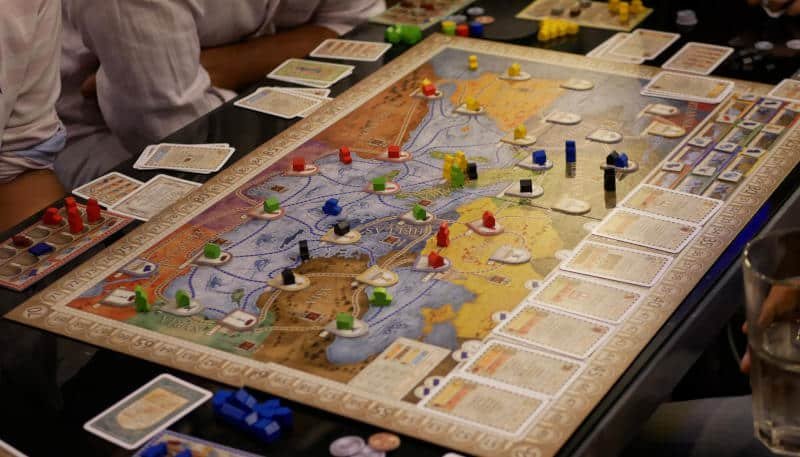
A tabletop game is a game played on a flat surface, such as a table, with physical components like dice, cards, and tokens.
Have you ever wondered what is a tabletop game? It’s more than just a board and some pieces. Imagine gathering friends and family around a table, sharing laughs and maybe a little healthy competition. Tabletop games provide a different type of entertainment.
These games offer tangible, tactile experiences unlike digital options. They encourage face-to-face interaction and spark imagination. People engage with a narrative or strategic challenge together. It’s a chance to step away from screens and into shared moments.

What is a Tabletop Game?
Okay, let’s dive right in! You’ve probably heard the term “tabletop game” before, maybe even played a few. But what exactly is it? Simply put, a tabletop game is any game that you play on a surface, usually a table. Think of it as a super broad category that includes everything from simple card games to elaborate board games with tons of pieces. It’s all about having fun, using your brain, and often, competing or cooperating with friends and family, right there at your table!
The Core Components of a Tabletop Game
While they come in many shapes and sizes, most tabletop games share some basic ingredients. Let’s look at what makes them tick:
Playing Pieces
These are the things you move around or use during the game. They could be:
- Pawns or miniatures that represent players or characters.
- Tokens used for scoring or tracking resources.
- Dice for random events or movement.
The Game Board
Many games use a board, which provides a visual layout for the game. The board might be a map, a series of spaces, or even a collection of cards laid out in a particular way. The board guides the game flow and where playing pieces can move.
Rules and Instructions
Every game has its own set of rules, and these are super important to understand before you start. The rules tell you how to play, what you can do on your turn, and how to win the game. Sometimes the rulebook is short and simple; other times, it’s a big booklet! It’s all about knowing the steps, the goals, and the special actions.
Cards
Cards are a common element in many tabletop games. They can have different uses like:
- Action cards that players use to perform game functions.
- Resource cards that allow players to gain useful elements during gameplay.
- Event cards that trigger unexpected happenings.
- Role cards that assign secret objectives or special abilities to players.
Types of Tabletop Games
Now that you know the basics, let’s explore the different kinds of tabletop games you might encounter. It’s a wide and exciting world!
Board Games
Board games are probably what most people think of when you mention tabletop games. These involve a physical board, playing pieces, and often, dice. Some examples include:
- Strategy Games: These are games that require planning and thinking ahead, like chess, checkers, or Settlers of Catan. These games test your tactical prowess.
- Party Games: These games are designed for larger groups and often focus on fun and laughs, like Cranium or Telestrations. They usually have simpler rules and encourage social interaction.
- Cooperative Games: In these games, players work together to beat the game, rather than competing against each other, like Pandemic or Forbidden Island. It’s all about teamwork and problem-solving together.
- Thematic Games: These games have a story and atmosphere that draw players into the experience, like Ticket to Ride or Arkham Horror. These games often include narrative elements, creating memorable moments.
Card Games
Card games use decks of cards as their main component. They can be fast-paced and easy to learn, or require a lot of strategy. They can range from simple trick-taking games to complex deck-building games. Some common examples are:
- Traditional Card Games: Games you might have played as a child, such as Uno, Go Fish, or Hearts. These are usually easy to learn and great for family gatherings.
- Collectible Card Games (CCGs): Games where you build your own decks from a collection of cards, like Magic: The Gathering or Pokémon TCG. These games often have a lot of strategy and depth.
- Deck-Building Games: Games where you start with a basic deck and add new cards as you play, like Dominion or Star Realms. These games combine strategy and card management.
Role-Playing Games (RPGs)
RPGs, like Dungeons & Dragons or Pathfinder, are a special kind of tabletop game. In these, players take on the roles of characters in a story and make choices that affect the game world. These games involve a lot of imagination, storytelling, and social interaction. Usually, one player acts as a Game Master who guides the story.
- Character Creation: Players develop their characters, defining their personalities, skills, and background. It’s all about creating a unique identity within the game world.
- Storytelling: The Game Master guides the story, describing scenes, and presenting challenges to the players. It’s a shared experience of creative storytelling.
- Dice Rolling: Dice are used to determine the success or failure of actions and events in the game. This element of chance adds an extra layer of excitement and unpredictability.
Dice Games
Dice games rely heavily on, well, dice! These games can be simple, fast-paced games or more strategic and complex. They can vary from the very basic (Yahtzee) to the more involved (King of Tokyo). The core element of these games involves using different combinations of dice rolls for different purposes.
Miniatures Games
Miniatures games often involve small figurines that represent characters, units, or vehicles. These games often have tactical or strategic elements, where players move their miniatures across a game board or play surface, often in a battle setting. Games like Warhammer 40k and Blood Bowl, use very detailed miniatures.
The Benefits of Playing Tabletop Games
Playing tabletop games is more than just a way to pass the time. They offer many wonderful benefits for kids and adults. Let’s have a look at what those benefits are:
Social Interaction
Tabletop games are a great way to spend time together with friends and family. It provides a focused way to communicate and enjoy quality time. Games often encourage conversation, laughter, and friendly competition. It’s also great for creating lasting memories!
Mental Stimulation
Many tabletop games require you to think strategically, solve problems, and make quick decisions. This is a really good exercise for your brain! Whether it’s calculating the best move in chess or figuring out how to win a card game, these games can help with focus, critical thinking, and strategic planning.
Learning New Skills
Games can teach you valuable skills like patience, planning, and teamwork. You might learn about resource management in a strategy game, or problem-solving in a cooperative one. Some games even teach history or other interesting subjects! You’re basically having fun while learning.
Creativity and Imagination
Role-playing games, in particular, really encourage you to use your imagination. You’ll be inventing characters, situations, and stories in the game world. It’s a chance to let your creative juices flow and explore new possibilities. It can be an enjoyable way to build confidence in storytelling and self-expression.
A Break from Screens
In a world that’s filled with screens, tabletop games provide a welcome break from technology. It’s a way to disconnect from the digital world and connect with others in a very real way. It’s also great for eye health!
Getting Started with Tabletop Games
Ready to try some games? Here are a few tips to get started:
Start Simple
Don’t try to jump into complicated games right away. Start with easy-to-learn games like Ticket to Ride, Uno, or Carcassonne. You’ll get a feel for how games work and what kind of games you enjoy. As you learn, you can explore games with more complicated rules.
Try Different Genres
Explore different types of tabletop games such as card games, board games, and role-playing games, to find what you like best. You might find that you love the strategic nature of one game or the storytelling in another. It’s fun to try new things.
Join a Game Group
If you want to play with other people, look for game groups in your community or at a local game store. It’s a great way to meet new people and discover new games. Many groups organize regular game nights where you can learn and play together. If you do not have friends in person, you can play online using various platforms.
Read Reviews
Before you buy a new game, read reviews online to see what other people think. This can help you choose games that you’ll enjoy. Look at the game’s complexity level to make sure it’s a good fit for you.
Watch Gameplay Videos
Watching a video of someone playing a game is a really good way to understand how it works. This can be much more helpful than just reading the rulebook. Many popular games have gameplay videos on YouTube, and watching these will help you learn the flow of the game and see what others like (or dislike) about them.
Tabletop Games for Different Ages
There are tabletop games suitable for all ages, from very young children to adults. Here’s a little breakdown to give you an idea:
Games for Young Children
These games are usually simple to learn and play, focusing on things like color matching, simple counting, and basic shapes. Examples are games like Candy Land or Memory. It’s important to pick games that are age-appropriate.
Games for Tweens and Teens
These games can have more complex rules and often involve strategy and critical thinking. Examples are Settlers of Catan, Ticket to Ride, or card games like Magic: The Gathering. These games challenge them mentally, while providing a lot of fun.
Games for Adults
Many games are designed for adults, such as party games or cooperative games with complex rules. Examples include Pandemic, Gloomhaven, and various complex strategy games. These are games that can have a high level of depth and strategy.
Games for All Ages
Some games are great for playing with the whole family, regardless of age. Examples are games like Dixit, Code Names, and some versions of card games. These games are great for mixing people of different ages for fun games.
Tabletop games offer a diverse world of fun, learning, and connection. Whether you’re a seasoned gamer or new to the scene, there’s a game out there for you. So, gather your friends and family, grab a game, and get ready for some unforgettable moments around the table!
Tabletop Games
Final Thoughts
A tabletop game is a game played on a table or other flat surface. Players interact through physical components like cards, dice, or miniatures. These games often involve strategy, social interaction, and a shared narrative.
Tabletop games offer diverse experiences, from simple card games to complex board games. What is a tabletop game can be broadly defined by its physical nature and player interaction. These games provide a wonderful alternative to screens.

