
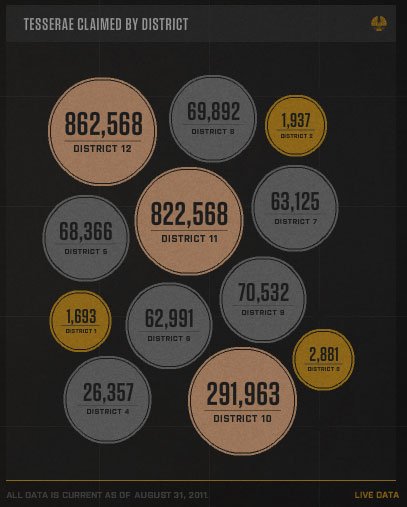
A tesserae in the Hunger Games is a year’s worth of grain and oil, given to a citizen in exchange for adding their name an extra time into the reaping pool.
Ever wondered about the dark mechanics behind the Hunger Games? One crucial, yet often misunderstood element is the tesserae. What is a tesserae in the hunger games and how does it impact the lives of those living in Panem? It’s a system designed to exploit the desperation of the districts.
By understanding the tesserae, you see how the Capitol maintains control by forcing the poorest citizens to choose between starvation and increased odds of becoming a tribute. This seemingly small detail reveals a lot about the dystopian world.

What is a Tesserae in the Hunger Games?
Let’s dive deep into the heart of Panem and explore a crucial element of Suzanne Collins’s captivating “Hunger Games” series: the tesserae. These aren’t just some ordinary tokens or pretty trinkets. In the world of the Hunger Games, they represent a harsh reality and a desperate gamble for survival, particularly for the residents of the poorer districts. Understanding tesserae is key to grasping the social injustices and systemic inequalities that fuel the rebellion against the Capitol.
The Definition of a Tesserae
So, what exactly is a tesserae? In simple terms, a tesserae (plural: tesserae) is a year’s worth of grain and oil given to a family by the Capitol. It’s meant to supplement the meager rations provided by their district. Families in the Hunger Games’ districts, especially those in District 12, often struggle with hunger. The Capitol’s supposed generosity of providing food is tied to a sinister condition, though. Each time a person requests tesserae, their name is added to the yearly reaping, which is the drawing that decides which children will participate in the Hunger Games.
How the Tesserae System Works
Imagine being a child in District 12, where food is scarce. Your family is struggling to make ends meet. You know that your name will be entered into the reaping once at age 12, and each year, another entry will be added up to the age of 18. The hunger gnaws at your stomach, and the pressure on your family is intense. The Capitol offers a solution: tesserae. If you ask for them, they will give your family food, a little bit more to eat every year. But, there is a catch that is a big gamble for your life! Each time you take the food from the Capitol, your name is added an extra time to the reaping pool. This is the chilling heart of the system. While seemingly a helping hand, the tesserae is designed to make the poor districts even more desperate.
- Each year a person is eligible (ages 12-18) their name is entered one time into the reaping.
- A person can request tesserae multiple times in a year, but they are only counted for once in the current year.
- Each time a person requests tesserae, an extra entry is made in the reaping for that year.
- The system does not remove an entry for a person once it is in the reaping.
- The tesserae provide enough food to help a person survive.
This is how Katniss Everdeen’s name gets entered into the reaping so many times. Katniss takes tesserae to help feed her mother and younger sister, Primrose, after her father’s death. She does this year after year, accumulating extra entries. Therefore, when the reaping for District 12 comes around, she is far more likely to have her name pulled compared to someone who did not take tesserae.
The Impact of Tesserae on the Districts
The tesserae system has severe impacts on the districts, contributing to the overarching theme of injustice. The Capitol uses it as a tool to control and oppress the districts, further widening the gap between the wealthy and the poor. It forces families to make impossible choices. Do they risk their children’s lives by taking tesserae to feed their families, or do they face the possibility of starvation?
Forced Participation
The tesserae system effectively forces the poor districts into an impossible choice. A child needs food. If the family doesn’t have enough, the family may be forced to take extra entries into the reaping. Families are stuck in a cycle of poverty and desperation, with the Hunger Games hanging over them like a dark cloud. This is a deliberate design by the Capitol. The more desperate families become, the more they are willing to risk their children’s safety for a meager amount of food. The more likely a person is to participate in the reaping, the more likely they are to be selected for the games. It is a cruel and calculated system to enforce control and keep the districts in fear.
Psychological Impact
Beyond the immediate physical needs, the tesserae system also inflicts psychological harm. It creates a constant state of anxiety and fear within families. Parents live with the guilt of knowing they have increased their children’s odds of being chosen for the games. Children, especially those nearing the reaping age, are aware that every tesserae their family takes could be their death sentence. This constant stress contributes to the overall feeling of hopelessness and despair in the districts, making it harder for people to fight back against the Capitol.
Tesserae and the Hunger Games
The tesserae system is directly linked to the main event, the Hunger Games. It essentially stacks the deck against the poorer districts, making it more likely that their children will be selected to fight and die in the arena. This is just one of the ways the Capitol ensures that the games serve their purpose of maintaining power. The Capitol wants to keep the districts in line by terrorizing them. By forcing the children into the arena to fight for the amusement of the wealthy citizens of the Capitol, they remind the districts that they are in control. The tesserae helps this process along, as it forces the poor families to give themselves up in exchange for a bit more food.
The Reaping Odds
Let’s consider the numbers. In the Hunger Games, one boy and one girl aged 12 to 18 from each district are chosen as tributes. Each district has its own system of how it enters names into the reaping. With the tesserae system, someone could have their name entered many times. For instance, Katniss’s name is entered many times due to her taking tesserae to provide for her family. If another child in District 12 did not take tesserae their name will be entered much less. In District 12, the tesserae is seen as a big risk for their children.
This system is inherently unfair. The children of wealthy families living in the Capitol never have to worry about going hungry, therefore, they never have to take the tesserae. The odds of their children getting selected for the games are much lower compared to the children in poor districts. The system is designed so that poor children are far more likely to be chosen as tributes.
A Symbol of Control
The tesserae system is more than just a way of adding names to the reaping pool. It is a powerful symbol of the Capitol’s control over the districts. By manipulating the basic needs of the people, the Capitol ensures they remain in a state of dependence and fear. It is a stark reminder of the Capitol’s power and the districts’ vulnerability. It is a way of reminding the people of Panem that the Capitol is in charge.
Tesserae in the Context of the Series
The concept of tesserae appears prominently throughout the “Hunger Games” series. It is more than a little fact about the story, but instead something that affects every district. It directly affects Katniss’s choices and motivations. It highlights the desperation of District 12, the poorest of all of the districts, and fuels her resentment toward the Capitol. It also shows the extent to which the Capitol is willing to control the people under their rule.
Katniss’s Perspective
For Katniss, the tesserae is a daily reminder of her family’s precarious situation. She knows that every extra entry makes her more likely to be chosen. However, she chooses to take the risk of the tesserae as a means of survival. She knows she must take the extra entries to feed her family. It is an act that shows the responsibility Katniss has taken for her family after her father dies. Her willingness to put herself at risk demonstrates her courage and determination to protect her family.
The tesserae system also impacts Katniss’ relationship with Gale, her best friend. They are both forced into the same risk taking, but together they help provide for their families. They are both aware of the risk they take. They understand what taking these entries means for them and their families. Their shared understanding of this risk helps build their bond and contributes to their understanding of the Capitol.
A Catalyst for Rebellion
The injustice of the tesserae system, along with other forms of oppression, eventually leads to the rebellion against the Capitol. The districts understand they have to take action against the Capitol. The games and the tesserae system that helps choose the participants were the final straw. The districts become fed up with the constant oppression by the Capitol. The people begin to fight back against the evil system that forces them to risk their lives for so little.
The Tesserae as a Symbol
Beyond its practical function, the tesserae also serves as a powerful symbol within the series. It represents the systemic inequalities, the brutal control, and the desperate measures that are a part of Panem. It embodies the way the Capitol prioritizes maintaining power over the basic needs of its citizens in the districts.
Symbol of Inequality
The tesserae is a clear symbol of the vast economic disparity between the Capitol and the districts. The people of the Capitol live in luxury and wealth. They do not have to worry about the threat of the Hunger Games. The people of the districts are forced to risk their lives to feed their families. It is a constant reminder that those who are in power will control the people below them by limiting their access to resources. This is what the Capitol does, forcing the people in the districts to make impossible choices just to survive.
Symbol of Oppression
The tesserae system serves as an oppressive tool by the Capitol. It is a way for them to keep the districts under control. By taking the resources and giving them back to the people with a consequence, the Capitol keeps the people weak and under their control. By making them desperate for food, the Capitol ensures that people are more likely to be selected for the games, ensuring that they understand their place. The system is a brutal way to keep the districts in line, reminding them that they are always at the mercy of the Capitol.
Symbol of Hope
Despite its dark connotations, the tesserae also represents the hope that eventually fuels the rebellion. It shows the courage and determination of the people in the districts to keep going no matter how bad the system is. It embodies the idea that even in the darkest situations, people will always strive to survive and fight back against an unfair system. Katniss’s willingness to take the extra entries and put her life in danger represents the strength of the human spirit to survive.
In conclusion, the tesserae is a lot more than a food ration. It’s a complex and crucial part of the “Hunger Games” world, highlighting the inequality, oppression, and desperate measures people resort to. The system embodies the Capitol’s control and the systemic injustices that fuel the rebellion. Understanding the tesserae is not just about understanding a small element of the story. It is understanding the heart of the injustice that the characters have to endure.
Why do the career tributes not use tesserae?
Final Thoughts
A tesserae in the Hunger Games represents a grim bargain. District citizens, facing starvation, can exchange their name entry for an additional year’s supply of grain and oil. This act significantly increases their chances of being selected as a tribute.
The system creates desperate situations where families must make agonizing choices. ‘what is a tesserae in the hunger games’ boils down to a cruel survival tactic by the Capitol. It is one of the main reasons tributes are children.

