
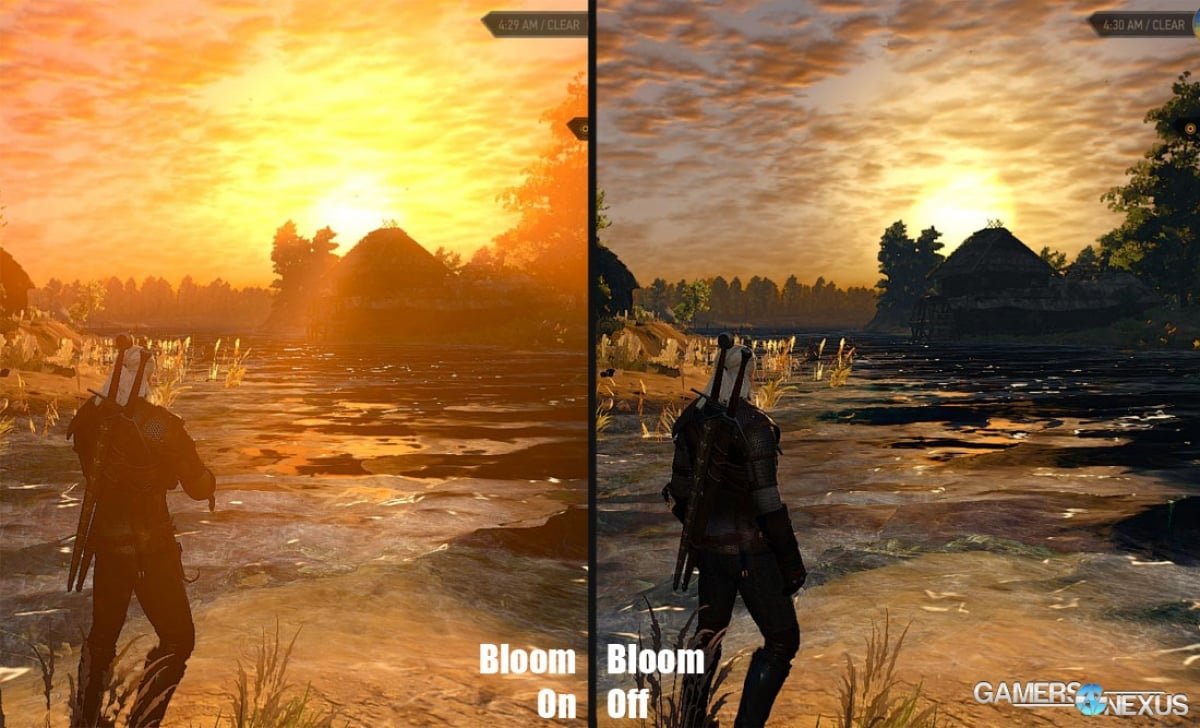
Bloom in games is a visual effect that simulates bright light spilling over into surrounding areas, creating a glowing or hazy appearance.
Ever wondered why some in-game lights seem to pulsate and spill outwards so beautifully? That effect, often adding a magical quality, is exactly what is bloom in games. It’s a technique designers use to enhance the realism and visual impact of bright elements. The light sources, like sun or explosions, feel more intense and create a sense of luminosity. Bloom makes the bright areas almost seem like they are radiating.

What is Bloom in Games?
Ever played a video game and felt like something was sparkling? Like the sun was extra bright, or a magical spell was glowing with an almost too-bright light? That’s often because of something called “bloom.” In simple terms, bloom is a visual effect that makes bright objects in games look like they are giving off more light than they actually are. It’s like when you see a really bright light in real life, and it seems to spread out a little bit around the edges – that’s bloom in action!
How Does Bloom Work?
Imagine you’re drawing a picture and you have a very bright yellow sun. If you were to use a paint or crayon, that yellow would just be yellow. But in a game, the computer can make that yellow sun look like it’s shining so brightly that the yellow spills out a little bit, like it’s glowing. This effect works by taking the brightest parts of a picture and blurring them. That blur is then layered on top of the original image, creating the illusion of intense light.
Think of it like this: if you take a photograph of a light bulb at night, you might see a halo of light around it. The light isn’t actually taking up that much space, but because it’s so bright, it seems to spill over. Bloom in games does something similar, using clever math and computer trickery to make things appear brighter and more magical. It basically fools your eyes into thinking there’s more light than there really is, adding a sense of intensity and realism.
Why Do Games Use Bloom?
Game developers use bloom for several important reasons, and these reasons are related to how players experience the game.
Enhancing Realism
First and foremost, bloom can make games look more realistic. Bright lights in the real world aren’t sharp and perfectly contained; they often have a soft glow around them. By simulating this with bloom, games feel closer to how our eyes see things every day. For example, when you see a car’s headlights at night in a video game, bloom can make them feel genuinely bright and impactful, much like real car headlights. This subtle detail can significantly affect the player’s level of immersion.
Creating Mood and Atmosphere
Bloom is not just about realism; it also plays a big role in creating the mood and atmosphere of a game. A game with lots of bloom can feel magical, ethereal, and even dreamlike. Imagine a fantasy game where spells leave trails of glowing light – bloom is often what makes these effects so captivating. Similarly, in a horror game, very strong bloom on street lamps might give off an eerie feeling. The soft light can make areas feel more mysterious and inviting, or even unsettling, depending on how it’s used.
Drawing Attention
Game designers sometimes use bloom to grab the player’s attention. If there’s an important object or character, they might make it glow with bloom to make sure it stands out. The effect will draw your focus to this specific item, signaling that it’s relevant to the gameplay. This can be useful for guiding players through the game without using too many words.
Adding Polish
Finally, bloom can make a game look more finished and professional. Even if the game has very simple graphics, the strategic use of bloom can add a layer of visual depth and finesse. It’s like the little extra sprinkle on top that makes everything a little bit better.
Types of Bloom Effects
While the general idea behind bloom is the same, there are different ways it can be implemented in video games. Here are some of the most common variations:
Gaussian Bloom
This is one of the most popular methods used for bloom. It gets its name from the “Gaussian blur” effect it uses. Gaussian blur creates a soft, natural-looking blur that gently spreads the bright parts of the image. It’s generally considered to be a well-balanced, all-purpose bloom effect.
Blur Bloom
Blur bloom is a more general term encompassing various techniques that involve blurring the bright parts of the image. Different types of blur can create different results; some blur might look more radial, spreading out from the center, while others might be more directional. Often developers will adjust these blurs depending on their requirements. Developers often fine tune this effect to get exactly the style they desire.
Lens Flare
This effect, while not pure bloom, is often used alongside it. Lens flare simulates the way light reflects in a camera lens, creating streaks of light that are especially noticeable around bright objects. It can make the game look more like a photograph or film, adding a cinematic touch. When used together, it can help make bright objects even more convincing and realistic, creating a feeling of great intensity.
HDR Bloom
HDR (High Dynamic Range) bloom is used in games that support HDR, and the HDR bloom expands upon the normal bloom to give a more dynamic look to the lighting. This allows for a more realistic range of brightness, where bright areas are very bright, and dark areas are very dark, while still retaining a lot of detail. The combination of HDR and bloom provides a more immersive visual experience.
The Impact of Bloom on Performance
While bloom is great for making games look nicer, it does require the computer to do more work, because it needs to process each effect on screen. Generally, bloom is not the most demanding visual effect, but it can affect how smoothly a game runs, especially if the computer is not very powerful or there are lots of bloom effects happening at once.
Performance Factors
- Resolution: Higher resolutions mean more pixels to process, and therefore more calculations needed for the bloom effect. Lowering the resolution may give performance boost.
- Intensity of Bloom: More bloom intensity means more blurring, this will require more computational power. Too much bloom can make the game blurry and hard to see.
- Number of Light Sources: Each light source that is affected by bloom adds to the computational load. Too many light sources on the screen at once can cause slow downs.
- Type of Bloom: Some types of bloom are more demanding than others. A detailed lens flare will require more work than a basic Gaussian blur.
Optimizing Bloom
To ensure that the game runs smoothly, developers need to optimize bloom. This can involve using simpler algorithms, limiting the number of bloom effects at the same time, or providing different settings in the game that can turn off bloom or set to a lower intensity. They often give players the option to adjust the settings in a game so that performance can be maintained to a level that’s playable to the user. This allows the player to choose between game performance or high graphical effects.
Some games also use techniques like dynamic bloom, where the intensity is reduced in demanding scenarios so that player can maintain smooth game play. The key is balance – making the game visually appealing without slowing it down too much.
Examples of Bloom in Games
Bloom is used in many different kinds of games. Here are some examples of how it looks in various situations:
Fantasy Games
In fantasy games, bloom is everywhere, often making magical effects look truly fantastical. Spells, glowing weapons, and even the general light of the sun can often shimmer with a soft and radiant light. The overall effect is a sense of enchantment and wonder. Games like The Elder Scrolls V: Skyrim use bloom to make its environments seem more grand and mystical. The magical spells in these games have a soft, glowing look to them thanks to well placed bloom.
Sci-Fi Games
In science fiction games, bloom can make technological elements appear more advanced and powerful. Think of the lights on a futuristic spaceship, or the glow of an energy weapon. Bloom here often gives a sense of brightness, power and high tech feel. Games such as the Mass Effect series make use of bloom to make the futuristic technology feel more real and cutting edge. The bright lights of these spaceships and laser weapons are enhanced by bloom effects, creating more of an intensity and visual punch.
Horror Games
Even in horror games, bloom can have a role. Here it tends to be used more subtly, making light sources look more eerie. Imagine a dimly lit corridor, with a weak light flickering at the end. The bloom effect can make this light appear unnaturally bright, increasing the tension and sense of unease. The goal of bloom is to help set the game’s overall mood.
Racing Games
In racing games, bloom is used to make the bright lights of the sun or streetlights look more realistic, increasing the intensity of the driving experience. Headlights, tail lights, and the sun reflecting off of cars are all greatly improved when bloom effects are added. This will add to the overall sense of speed and excitement.
Bloom Beyond Gaming
Though we often see bloom in video games, it’s not exclusive to gaming. It’s also used in digital art, animation, and even in some photography software to simulate that intense light spill effect. Here’s a brief look at how bloom effect is used in different digital mediums:
Digital Art
Digital artists use bloom effect to add realism and to give their work a polished look. The effect adds a sense of vibrancy and glow to the brighter areas. Just like in games, this effect can add a sense of magic and mystery to a piece.
Animation
In animation, bloom can make scenes look more dynamic and engaging. It’s often used to accentuate magical effects or dramatic lighting scenarios. This helps to highlight certain important parts of the animation. Bloom can be combined with other effects like motion blur and smoke, giving it a high production feel.
Photography Editing
Photography editing software also uses bloom to add a similar effect. The bloom effect can be added during post-processing to give a photo a more soft, ethereal glow. The effect is subtle, but adds an extra layer of polish to the final look.
Is Bloom Always Good?
While bloom can be very visually appealing and add to the realism, there is such a thing as too much bloom. When bloom effects are overdone, it can make the game look blurry, washing out important details, and it makes it difficult to see certain things on the screen. Finding the right balance is key. Some games allow you to customize the amount of bloom, but sometimes, if the developers use it badly, the game can suffer from the effect. Too much bloom can even cause eye strain during long gameplay sessions.
In summary, bloom is a valuable effect that helps improve the visual experience of video games and other digital mediums. It’s used to create a sense of realism, atmosphere, and a bit of magic. Game developers use it carefully to find the balance between stunning visuals and performance. Understanding bloom can enhance your experience in gaming and digital art by giving you an added understanding of what makes these visuals so appealing.
FPS Games: What is BLOOM?
Final Thoughts
Bloom in games is a visual effect, simulating bright light overwhelming a camera. It adds an appealing glow to objects. This effect is common in many modern video games, enhancing the perceived brightness.
Essentially, what is bloom in games creates a sense of intensity. It can emphasize specific elements or make scenes feel more vibrant. Developers use it to improve realism and visual style.

