
DP, short for Dragon Punch, is a fighting game term for a move that is typically an invincible, rising attack, often used to punish opponents or interrupt their offense.
Ever felt cornered in a fighting game, needing a quick way out? That’s where the magic of what is dp fighting games comes in. These moves are essential to understanding the depth and strategy involved in the genre.
Think of them as the ultimate “get-off-me” button. Players frequently use these actions to create space and punish aggressive play. Knowing when and how to use this type of attack can significantly improve your game.

What is DP in Fighting Games?
Have you ever watched a super cool fighting game match and heard someone yell about “DP”? It might sound confusing, but it’s actually a pretty important move in a lot of fighting games! DP stands for “Dragon Punch,” and it’s a special type of attack that’s really powerful for certain situations. Think of it as a super-powered uppercut, often with some special properties that can really turn the tide of a fight. These moves aren’t always a literal “punch” like you might see in a cartoon. Sometimes, it looks like a rising kick or a burst of energy. The key thing is that they are fast, they hit hard, and they usually have a special ability that makes them useful against certain other attacks. This deep dive will explore what makes DP moves so important and how to use them.
Why are DP Moves Important?
DP moves are more than just a flashy way to attack. They have specific characteristics that make them incredibly useful. They are great for getting yourself out of tight situations, and knowing when and how to use them is a key skill in many fighting games. Let’s break down the key reasons they’re so important:
Anti-Air Capabilities
One of the most crucial things DP moves do is act as excellent anti-air tools. When your opponent jumps in to attack, a properly timed DP can smack them right out of the sky. Because many DPs have invincibility frames on startup, meaning the character is momentarily immune to attacks, they can pass through other attacks and punish an opponent trying to go in for the offensive. This makes DP moves a very powerful counter to jump-in attacks, stopping the other player from pressuring you.
Reversal Options
DPs are also very useful as reversal moves. This means you can use them when you are in a defensive position, like getting up off the ground or blocking a flurry of attacks. If you predict your opponent will keep attacking, a well-timed DP can interrupt their offense and give you the upper hand again. When getting up off the ground, there might be a slight delay before you can move, and a DP can help you get out of this pressure state. The invincibility on many DP attacks helps characters blow through attacks while reversing the situation.
Punishing Mistakes
If an opponent whiffs an attack or does something unsafe, a DP can be a fantastic way to punish them. Due to their speed and high damage, you can often turn a bad situation into a good one with a quick DP if you are reactive. If the other player is not careful, they will get hurt badly by the DP, which can make the player less likely to be reckless.
Creating Space
Even though they’re a close-range attack, DPs can also help create some space. The push back from the attack, especially if the attack does not connect, can give you just enough distance to reset neutral or to avoid getting pressured. This helps especially if the other player is right next to you trying to keep you in the corner.
Different Types of DP Attacks
While most DPs share similar core properties, they can have slight differences that are important to understand. Here’s a look at the various types of DPs you might encounter:
Classic Uppercut DP
This is what many people picture when they think of a DP. It’s a fast rising punch, usually with a forward or angled trajectory. It’s used for anti-air, reversals, and punishing whiffs. A classic example would be the Shoryuken from Street Fighter.
Multi-Hit DP
Some DP moves have multiple hits instead of just one. These are good for breaking through certain defensive moves or dealing more damage overall. However, they may be slightly slower than single-hit DPs, so timing is very important.
Projectile DP
Some special moves combine the concept of a DP with a projectile. These moves move a character quickly forward while also releasing a projectile. These DPs can sometimes punish from further away but can have a longer recovery. An example is the EX Spinning Bird Kick from Street Fighter.
Air DP
These are DPs that can be performed in the air. These can be used for aggressive approaches, especially if they cause knockdown or give the player offensive pressure. Air DPs can be tricky to perform, but they can be very rewarding to master.
How to Perform a DP Input
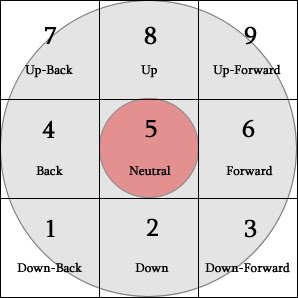
DP inputs are quite similar across many fighting games, but can have slight variations depending on the game. The most common input is a ‘forward, down, down-forward’ motion combined with an attack button. Some games have shortcuts to this motion so you can perform a DP more quickly. Here is a basic guide to inputting a DP:
- Start with forward: Move your control input forward, as if you were walking towards your opponent.
- Go to down: Go to the down direction.
- Finish with down-forward: Move to the down-forward position as a diagonal motion between down and forward.
- Press Attack Button: Press the attack button you use for strong attacks. This is often a punch or kick button.
This motion has to be done relatively quickly. You will need to practice this in a game to get familiar with the timing window. Some players find that the input works better if you “roll” your fingers across the control inputs. This allows for the input to be smoother and faster.
The Risk and Reward of DPs
DP moves are strong, but they are also risky. Here’s why:
Punishable on Block
If you perform a DP and your opponent blocks it, you will have a long time to be punished. Usually, DPs have slow recovery on block, which means the other player gets a free hit, or even combo, in on you. Therefore, you should not use DP moves as a reckless attack.
Predictable Patterns
If you start to use DPs too often or in predictable situations, your opponent will be ready for them. They will start blocking the DP and punish you for it, taking away one of your best reversal tools. A player will usually want to do certain moves during certain situations. Don’t get predictable!
The Importance of Timing
The timing of a DP is essential. If you are too early or too late, the DP will not come out properly and can be punished. You will want to learn the timing window of each of the different DP attacks so you can use them more effectively.
How to Effectively Use DP Attacks
Now that you know what DPs are and why they are important, here are some helpful tips on how to use them effectively:
- Don’t overuse them: DPs are powerful, but they should not be used in every situation. Use them sparingly and when you know the other player will make a mistake. If you are using them too much, the other player will see this and be ready to punish you.
- Watch for jump-ins: Be ready to anti-air your opponent with a DP when they jump in to attack. Many players like to jump in to try and begin their offense. You can punish this with a well-timed DP.
- Be unpredictable: Try not to use your DP in the same situation every time. Sometimes, you can bait your opponent to make a move then punish that move with a DP.
- Practice the Input: Make sure you are comfortable with performing the DP input consistently. This is the biggest thing that you can practice and improve upon in fighting games. If you cannot do it consistently, it can become difficult to win matches.
- Learn the Range: Each DP has a certain range that it can hit. Be aware of how far each attack moves and make sure that you are within range before you use it.
Examples of Characters with Strong DP Moves
Many fighting game characters have some form of DP attack, but some stand out as being particularly good. These characters can depend on their DPs more often. Here are some examples:
Ryu (Street Fighter)
Ryu’s Shoryuken is probably the most famous DP in fighting game history. It’s a fast, powerful rising punch that’s great for anti-air and reversals. When used effectively, you can control the pace of a match.
Ken (Street Fighter)
Ken’s Shoryuken is similar to Ryu’s, but usually has a longer distance of travel with fire properties. This can give Ken more options to punish from slightly further away.
Jago (Killer Instinct)
Jago has his “Laser Sword,” a DP that gives him vertical and horizontal reach. This move is a good anti-air option as well as for punishing some of the more extended moves in the game.
Sol Badguy (Guilty Gear)
Sol’s “Volcanic Viper” is a fast, powerful DP that is very effective for offense and defense, and often used as a “get out of jail” free option. It’s very damaging and also gives him a little bit of distance.
DPs Beyond Just the Move
The concept of a DP has grown beyond just the move itself. It now represents a way to play that is a little more reactive and can stop players who are reckless and predictable with their offense. Here’s a little bit more of why DP attacks are an important concept for any fighting game player:
DP Mentality
The “DP mentality” refers to the player mindset of reacting to their opponent’s aggression. Instead of just trying to attack, DP players will look for openings and gaps in the other player’s offense. This mindset can be really strong in the higher skill levels of play.
Mind Games with DPs
Players with a strong understanding of DPs and their mind game options use these moves as a “feint” move. They can make it seem like they will use a DP to bait the other player into blocking, then use an alternative move. By having a strong understanding of the DP, players can enhance their skills overall.
So, there you have it! DP moves are powerful and important attacks in fighting games. They are not just simple punches, but tools that can help with anti-air, reversals, and punishing mistakes. While risky if you overuse or mis-time them, mastering the DP input and knowing when to use them will make you a much better fighting game player. Keep practicing those inputs and remember that knowing when not to use them is just as important as knowing when to use them!
What is a "DP" in Fighting Games?
Final Thoughts
DP fighting games involve directional input followed by an attack button. This allows characters to perform special moves, often useful for offense or defense. These motions create unique offensive and defensive options.
Many games use this type of input for fireballs or uppercuts. Understanding what is dp fighting games is key to effective gameplay. Knowing the motion enables you to react to situations with specific attacks.

