
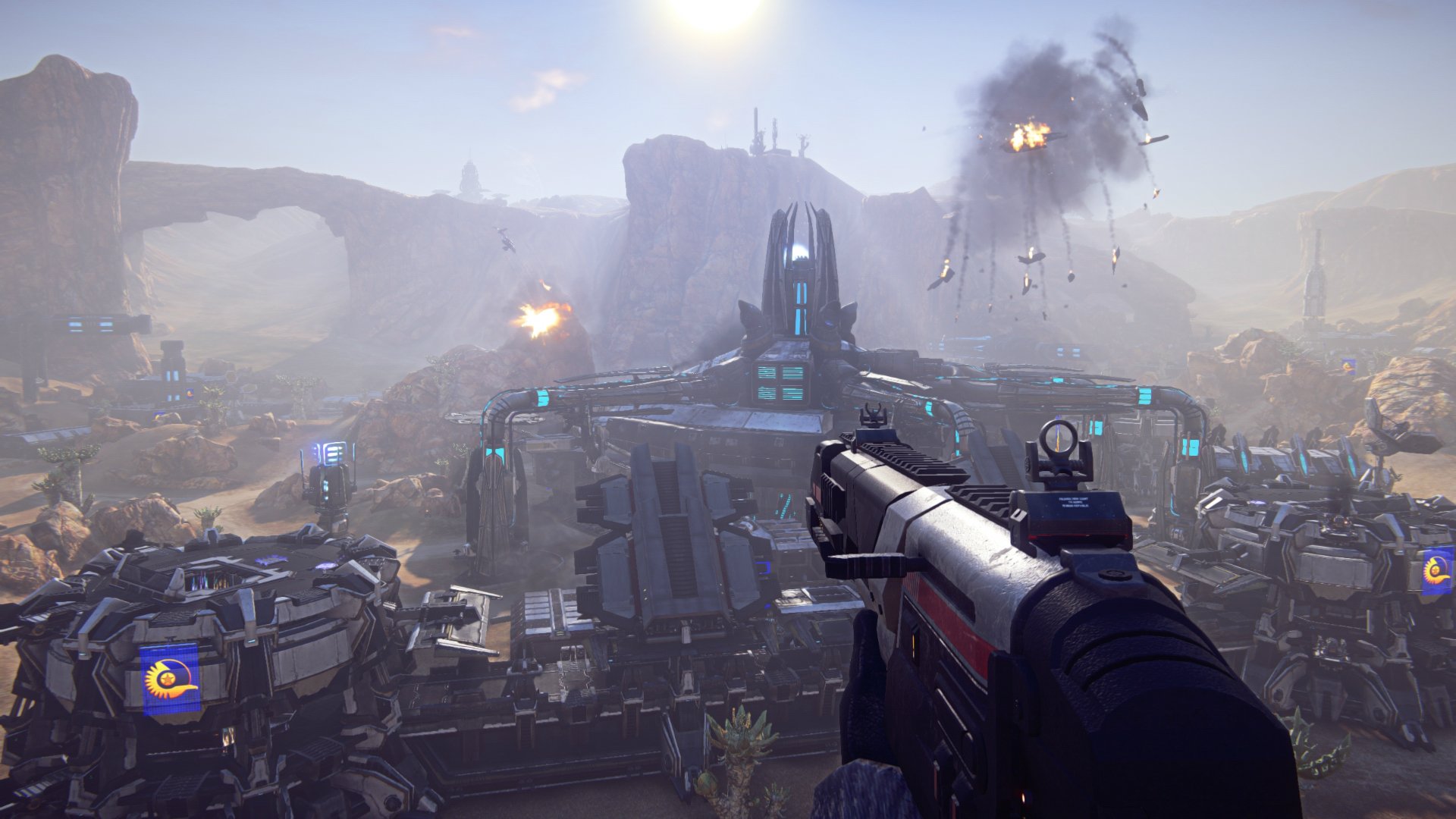
F2P in games means ‘free-to-play’; you can start playing without paying anything initially.
Ever wondered why so many games are seemingly free to download? Well, that leads us to the core of what is f2p in games. It’s a business model that has completely changed the gaming landscape.
This approach allows players to jump in and experience the game without any upfront cost. Instead of charging a set price, developers often monetize with optional in-game purchases. They can sell things like cosmetic items or gameplay boosts.

What is F2P in Games?
Have you ever played a video game that didn’t cost any money to download or start playing? That’s likely a free-to-play game, often shortened to F2P. It’s a super popular way to play games these days, and it’s changing how people enjoy digital fun. But what exactly is F2P, and how does it all work? Let’s dive in and explore this world!
The Basics of Free-to-Play
At its heart, F2P means that you can play a game without paying anything upfront. You don’t have to buy a disc or download a paid version from a store. You can just get the game and jump right in, which is pretty amazing! Think of it like going to a park – the entrance is free, and you can have a lot of fun just by exploring, but there might be some extras that you could buy if you wanted to. But unlike a park, a F2P game exists entirely online. This model relies on players enjoying the game enough that they are willing to spend real money on optional things within the game itself.
Why are Games Free to Play?
You might be wondering, “If games are free, how do the creators make money?” It’s a great question! Game developers use a few different tricks to earn revenue in F2P games. They make the game free for everyone to start, and then offer things within the game to purchase. These purchases can give players advantages or change how they look in the game. By giving the game away for free at first, the developers can attract a huge number of players. The hope is that some of these players will enjoy the game so much that they’ll decide to spend money on those extras.
Common F2P Monetization Methods
Here are some of the common ways F2P games make money:
- In-App Purchases (IAPs): This is the most common method. IAPs are things that you can buy within the game, such as special characters, weapons, or other items that enhance gameplay. You can also buy virtual currency to use in the game’s store.
- Cosmetics: Many players love to personalize their characters. F2P games often sell cosmetic items, such as unique outfits or skins, that don’t affect gameplay but make their characters look different.
- Battle Passes: A battle pass is like a reward system where players can earn special items and benefits by playing the game and completing challenges. Many battle passes have free and paid tracks. The paid one offers better or more valuable items.
- Ads: Some F2P games use advertising. This can be in the form of short video ads, banner ads, or other formats. Watching an ad might give players a small reward or an advantage.
- Subscription Model: Some F2P games have premium memberships that players can subscribe to on a monthly or yearly basis to gain access to exclusive content and bonuses.
Understanding the different purchase options
Purchasing items in a F2P game can be fun and can also lead to many players spending a lot of money over time. This could either be an investment into your enjoyment of a game or it can lead to unwanted expenditure. To better understand the purchases on offer, we can break them down into more detail:
- Pay-to-Win (P2W): This is a controversial practice where players who spend real money gain significant advantages over those who do not. In these games, purchasing items or upgrades directly leads to greater power or a higher chance of winning. It’s often seen as unfair by players who prefer to compete on skill, not money.
- Pay-to-Progress (P2P): In this model, players can use money to speed up their progression through the game. For example, a player could purchase experience boosts or resources to advance quicker than players who play for free.
- Cosmetics-Only: This type of F2P focuses on selling purely cosmetic items, like character skins, outfits, or weapon designs. These items do not offer gameplay advantages. Players can personalize their character’s appearance, without affecting how the game plays for them or others. This model is the most popular with players, and is often seen as fair.
The Pros and Cons of F2P
Like anything, there are good and bad sides to free-to-play games. Let’s look at the benefits and drawbacks.
Advantages of Free-to-Play Games
- Accessibility: The biggest advantage is that anyone can start playing. You don’t need to spend money initially, which means more people can try out the game.
- Wide Player Base: Since they are free, these games often have lots of people playing them. This means you can always find other people to play with.
- Try Before You Buy: You can get a feel for the game before deciding whether you want to spend any money. This is much better than paying for a game you end up not liking.
- Constant Updates: F2P games often receive regular updates with new content, bug fixes, and improvements. This helps keep the games interesting and fresh.
Disadvantages of Free-to-Play Games
- Potential for Pay-to-Win: Some F2P games can give advantages to those who spend money, which can make the game less fun for players who can’t afford to do so.
- Temptation to Spend: The game can try to entice players to spend money. This can lead to unexpected costs.
- Grinding and Waiting: Free players might face a lot of repetitive tasks, called “grinding”. They might also have to wait to progress in the game, whereas paid players can advance faster.
- Ads: Some free-to-play games include constant advertising. This can interrupt gameplay and make the gaming experience less enjoyable.
F2P Game Design
Creating a great F2P game is tricky. Designers have to balance keeping the game enjoyable for free players, while also making money for the developers. A well-designed F2P game will have a gameplay loop that keeps the players engaged without forcing them to spend money to progress. This can be done through a variety of gameplay systems, reward systems and the use of a strong community, which can enhance the value of purchases that are made.
Key Elements of Successful F2P Design
- Engaging Gameplay: The game itself has to be fun and interesting from the start. If it isn’t, people won’t play it, let alone spend any money. The game needs to reward engagement, even if players are choosing not to spend money on the game.
- Fair Progression System: The game should not feel impossible to play for free players. It should offer a fair way to advance without requiring players to spend money constantly. It should reward players who play more, and allow them to advance at a decent rate.
- Optional Purchases: Purchases should be for extras that enhance the gameplay, not a requirement to keep playing. These could be cosmetics, or faster ways to gain resources.
- Social Interaction: Allowing players to connect with each other through chat or playing together can build a strong community. This will also encourage purchases, as players want to show off their unique characters.
- Regular Content Updates: Keeping the game fresh and exciting is super important. New content like levels, characters, or events keep players engaged for longer.
Examples of F2P Games
Many popular games today use the F2P model. Here are some examples in different categories:
- Fortnite: A very popular battle royale game with cosmetic items and battle passes.
- League of Legends: A multiplayer online battle arena (MOBA) game where you unlock characters over time, or through purchases.
- Genshin Impact: A role-playing game with a huge open world and a “gacha” system for obtaining new characters and items.
- Candy Crush Saga: A puzzle game with in-app purchases for extra lives and power-ups.
- Clash of Clans: A strategy game where you build a village and battle other players, with options to purchase resources.
Exploring Different Genres
The F2P model isn’t just limited to certain types of games, you can find free games in nearly every popular genre.
- Action Games: Games that feature fast-paced gameplay and a lot of fighting, often with multiple players. Many shooters and combat games use the F2P model.
- Strategy Games: Games where you have to plan and manage your resources. These can be focused on building up a town, or fighting wars with other players.
- Puzzle Games: Games where you solve problems to complete each level. A lot of puzzle games use a F2P model with in-app purchases that can help the player pass difficult stages.
- Role-Playing Games (RPGs): Games where you create a character and explore a large world, usually following a story. RPG games can use a wide variety of F2P models, but the focus is usually to purchase cosmetic items, or characters.
- Sports Games: Games that simulate a real or fictional sport. These games often include options to purchase better players, or to enhance the customization options available.
The Future of Free-to-Play Games
F2P games are likely here to stay. As technology gets better, we’ll likely see even more innovative F2P games come out. These games may become more personal, offer more options, and even integrate with new technologies, like virtual reality. The key will be finding the right balance between making money and providing players with an enjoyable experience.
There has been a trend towards cross-platform games, which allows players to play the same game on different devices. This will allow developers to reach a wider audience. We will likely see more titles use this approach in the future.
New technologies may also provide unique opportunities for F2P games. As virtual reality and augmented reality become more popular, these options may become incorporated into future titles. This will allow developers to create more immersive game experiences, leading to greater player engagement, and potentially more revenue.
Ultimately, the future of F2P depends on the game developers and their communities. Games that are fair, engaging, and offer great player support will likely see the greatest success.
Free-to-play games offer a wide range of experiences. They give many people the chance to enjoy games that would have been very expensive or difficult to get into otherwise. Understanding how they work, and the pros and cons of the F2P model, will allow you to enjoy your experiences even more.
Roblox F2P vs P2W
Final Thoughts
F2P games offer free access but often include in-app purchases. These purchases can be cosmetic items or provide gameplay advantages. This model allows many to play without upfront cost, yet creates a revenue stream.
Ultimately, what is f2p in games? It signifies a business model where games are free to download and play initially. Developers monetize through optional purchases. This system changed how we engage with digital entertainment.

