
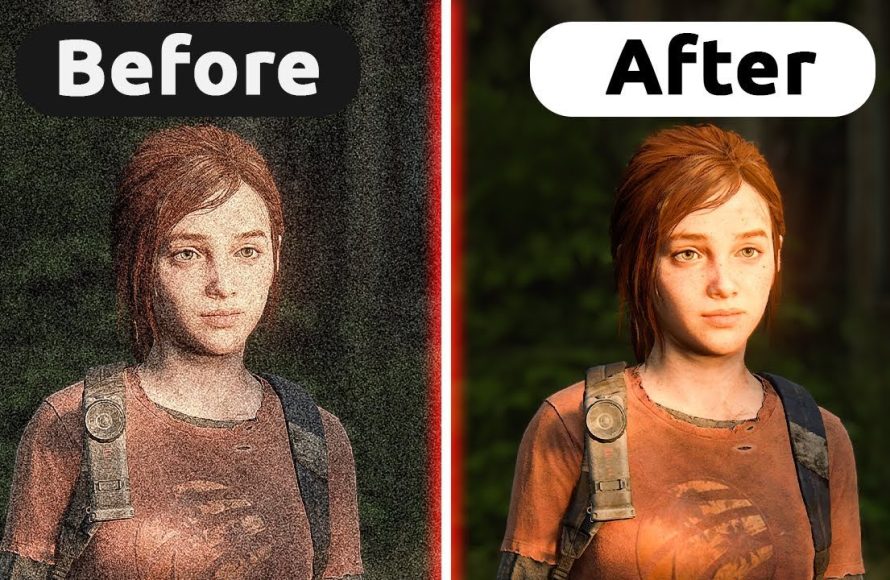
Film grain in games is a visual effect that adds a fine, speckled texture to the image, simulating the look of traditional film.
Ever noticed a subtle, grainy texture overlaying some video games? It’s not a flaw, but a deliberate stylistic choice called film grain. This effect tries to mimic the appearance of older film stock, adding a touch of realism or cinematic flair.
So, what is film grain in games exactly? It’s a post-processing effect applied on top of the rendered image, introducing tiny specks that give the image a slightly textured feel, much like the grain found in photographic film. It can create an atmosphere that is either gritty or softer depending on the level of implementation.

What is Film Grain in Games?
Ever played a video game and noticed a subtle, almost static-like texture overlaying the visuals? That’s likely film grain, sometimes also called noise. It’s a visual effect intentionally added by game developers. It mimics the look of actual film stock from older movies. But why would they want to make a game look grainy? Let’s dive deep and explore this interesting effect and find out how it works, where it comes from, and why it is used in the video games you enjoy. So buckle up, because we are going on a visual journey.
The Origins of Film Grain: From Analog to Digital
To understand film grain in games, we first need to look at its origins in real-world film photography. In the past, when movies were shot on physical film, the images were made up of tiny grains of silver halide. These grains were randomly distributed on the film. When the film was developed, these grains became visible, creating a characteristic textured look. This texture was not considered a flaw. It was a part of the cinematic look of movies, from classic Hollywood to gritty independent films.
Here’s a simple way to imagine it: Think of sand. If you look at a beach from far away, it looks like a smooth surface. But when you get closer, you can see that the sand is made up of tiny individual pieces. Similarly, on film, what looks like a solid image from far away, close up you can see it’s created by many tiny grains.
Different Types of Grain
The texture and appearance of film grain depend on the type of film used. Some film types have very fine grains which make images look sharper and clearer. Others have large, more noticeable grains, creating a more textured and gritty feel. This is important because the characteristics of the grain affect how we perceive an image. Developers carefully choose the type of grain effect to get the desired visual feel. This is just like a painter choosing what type of brush or what type of paints to use.
- Fine Grain: Creates a more subtle and less noticeable texture, leading to a cleaner look. Think of a clear sunny day.
- Coarse Grain: Creates a more prominent and textured look, often associated with older or low-budget films. Think of a stormy night.
These different grain characteristics give filmmakers and game developers control over the aesthetic appearance of their productions. The careful selection or implementation of grain can impact the overall mood and feel.
Why Use Film Grain in Games?
Now you might be wondering, why would game developers want to add an effect that some might consider “noise” or imperfection? The answer is multifaceted. It’s not about making the game look bad, but rather adding specific visual qualities. Here are some key reasons why game developers use film grain:
Creating a Cinematic Look
One of the most common reasons is to replicate the look of cinema. Film grain is a key component of this. By including film grain, game visuals can more easily resemble movies, particularly classic films which viewers may find familiar. This effect creates a feeling of nostalgia or gives a game a classic visual style. It can enhance a game’s artistic presentation. It’s like adding a filter to your photos but on a much grander scale.
Adding a Sense of Grit and Realism
Film grain can create a sense of grit, especially in action, horror, or post-apocalyptic games. The slight texture gives the game a more raw, less polished appearance. This can contribute to a more immersive and believable world. For example, in a war game, the grain might add a feeling of tension and urgency. Just like in older war movies, the grain can help reinforce the feeling of being in a real-world situation.
Improving Perceived Image Detail
Interestingly, film grain can make images appear sharper and more detailed. This might seem counterintuitive, but it works because the grain adds fine, textured visual cues that our eyes subconsciously interpret as added detail. This technique can be particularly useful for games with lower-resolution textures because the grain will make them look less blurry. A little bit of grain will add an illusion of more detail. Think of it like adding a pinch of spice to food, it enhances the overall taste.
Masking Visual Imperfections
Game development is complex, and sometimes minor visual imperfections, like banding or aliasing, can occur. Film grain can be a useful tool to subtly mask or hide these imperfections. The random pattern of the grain makes these issues less noticeable. It’s like adding a pattern to your wall to hide small blemishes. The pattern makes it harder to spot the imperfections.
Creating Mood and Atmosphere
The amount and intensity of film grain can significantly affect a game’s mood. A subtle grain can create a cozy, vintage feel, while a heavier grain can make the game feel grittier and more tense. Developers use this to enhance the feeling they want the player to experience. For instance, a horror game might use a strong grain to make the visuals feel uneasy and disturbing. A strategy game might use a lighter grain, to create an immersive and interesting environment for the players to explore.
How Film Grain is Implemented in Games
Adding film grain to games is not as simple as just overlaying a grainy texture. Game developers use specific techniques to create this effect. These techniques are often carried out in real-time using special software or code which is built into the games graphics engine. Here is a look at how this is achieved.
Post-Processing Effect
Film grain is typically implemented as a post-processing effect. This means that the grain effect is applied after the main scene is rendered or created. This ensures it’s consistently applied to all elements of the scene. It’s like adding a final layer on top of everything else. The film grain texture is calculated and laid on top of every frame of the game. This ensures that it’s not applied selectively to objects or characters.
Noise Generation Algorithms
Developers do not use a single pre-made image of grain for every frame. That would look repetitive and not very convincing. Instead, they use special programs or code, called algorithms, to generate the grain effect. These algorithms create patterns of random pixel variations that mimic the appearance of film grain. These programs make sure the grain pattern looks slightly different every time, to ensure a natural feeling of movement.
Customizable Parameters
Modern game engines give developers a lot of control over how film grain looks. They can adjust things like:
- Intensity: How strong the grain effect is.
- Size: How big the grains appear.
- Luminance: How bright or dark the grains are.
- Color: Whether the grains are monochrome or colored.
By tweaking these parameters, developers can fine-tune the grain to perfectly match the visual style of their game. This also allows them to change the overall aesthetic appearance of the game, just by altering the grain parameters.
Performance Considerations
It’s important to note that film grain can impact a game’s performance. The algorithm must generate this extra effect, and this can take up processing power. For games on older computers or consoles, too much film grain may cause a noticeable drop in frame rate. Developers need to balance visual quality and performance. They may offer an option to turn off the film grain effect, so people can choose whether to use the film grain, or increase their frame rate.
Is Film Grain Always a Good Thing?
While film grain can add significant value to the visual style of a game, it is not for everyone. There can be reasons why some people may not appreciate the effect and prefer to play a game without it. Here is a look at both sides.
Arguments Against Film Grain
- Distraction: For some players, especially those who prefer very clean and crisp visuals, film grain can be distracting. The subtle random movement of the grains may be an unwelcome addition to the visuals, and make it harder for them to focus on the game.
- Reduced Clarity: While film grain can enhance perceived detail, it can also make the image appear less clear for some people. Some may find the extra noise unnecessary, and it can cause eye strain for some viewers, especially on smaller or lower quality displays.
- Performance Impact: As mentioned earlier, film grain does require processing power. While the impact may be negligible on modern systems, it can still be a concern for older or less powerful computers and consoles.
- Personal Preference: Ultimately, whether you like film grain or not is a matter of personal preference. Some people simply do not like the look and choose to remove or reduce the effect if the game allows.
Arguments For Film Grain
- Enhanced Visual Style: For many, film grain is a key component of a particular visual style, which they find very enjoyable. The look of classic films or a specific atmosphere that developers are aiming for can only be achieved with film grain.
- Greater Immersion: Film grain can make the game feel more immersive and believable. The slight imperfection adds a level of authenticity that may be missing in a purely digital visual landscape.
- Improved Image Detail: As mentioned before, film grain can actually enhance how detailed the image appears. This can be a great advantage for games with lower resolution textures or to compensate for any aliasing.
- Unique Artistic Expression: Developers can use the different parameters of film grain to create a unique and specific visual style. The careful selection and adjustment of grain parameters can be an important part of game development.
Settings and Controls
Due to the different preferences in regard to film grain, many modern games offer settings to adjust or disable the film grain effect. This allows players to customize their experience and find a level they are happy with. If you do not like the film grain effect in a game you are playing, then you should explore your game settings and look for a setting that controls the film grain effect. These options often have different names, but they usually include words like “film grain,” “noise,” or “grain effect.” By adjusting or disabling this effect, you can fine-tune the visual appearance of the game to match your own preferences. In most games, the film grain effect is off by default. This means that it is not turned on, unless you have specifically chosen to turn it on yourself in the game settings.
Film grain in games is a purposeful visual choice that has roots in real-world filmmaking. It’s not a flaw, but an artistic tool used to enhance the atmosphere, realism, and visual appeal of video games. While it’s not for everyone, understanding its origins and purpose can help you appreciate its place in the world of game development. Whether you find film grain adds to the immersion or you find it distracting, now you have a good understanding of this common visual effect.
This makes TLOU 2 look much cleaner (Film Grain Explained)
Final Thoughts
Film grain in games is a visual effect that mimics the texture of real film. Developers use it to add a sense of grit or cinematic feel to the game. This effect adds tiny, random specks across the screen.
The application of film grain can create a more immersive, aged aesthetic. Some players appreciate the subtle visual depth, while others find it distracting. Ultimately, the effect impacts visual preference of the game.
In short, what is film grain in games is a visual layer that simulates a film-like quality using small dots. It serves to improve the perceived visual texture of the game, adding character.

