
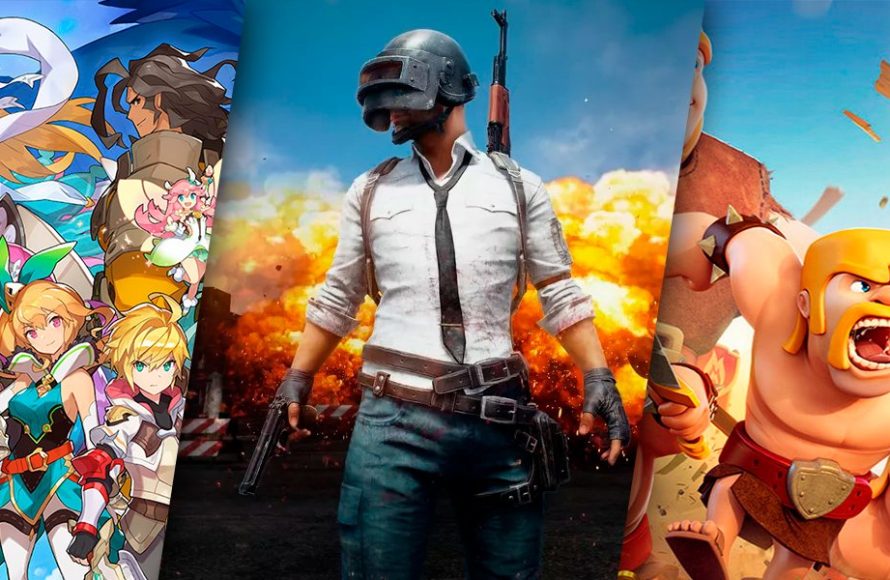
Game art encompasses all visual assets created for a video game, from character designs and environments to user interface elements and animations.
Have you ever been completely drawn into a game world? The visual elements are a huge part of that immersive experience. This brings us to the core of our exploration: what is game art exactly? It’s not just pretty pictures; it’s a complex blend of creativity and technical skill.
Game art essentially brings a game to life. Artists design every detail you see, giving each game a unique visual identity, and this is crucial for players to engage and enjoy. From concept to final product, game art is a fundamental part of game development.

What is Game Art?
Have you ever played a video game and been amazed by how it looks? The characters, the worlds, the special effects – that’s all thanks to game art! Game art is like the visual language of video games. It’s everything you see on the screen, and it plays a big part in making a game fun and exciting. Think of it as the clothes, furniture, and scenery of a play, but for video games. Instead of a real stage, it’s a virtual world.
The Different Flavors of Game Art
Game art isn’t just one thing; it’s made up of many different parts. Each part has its own job to do, and together, they make the game look awesome. Let’s explore some of these key areas:
Concept Art: The Starting Point
Imagine you’re building a Lego castle. Before you even start putting bricks together, you probably have a picture in your head of what it should look like. Concept art is kind of like that picture. Concept artists create drawings, paintings, and sometimes 3D models to show what the game could look like. They come up with ideas for characters, environments, and even objects that will be in the game. Think of it as the blueprint for all the visual elements. This stage is really important because it helps the whole team understand the game’s style and feel. Here are some things concept artists work on:
- Character Designs: How characters look, their clothes, and their expressions.
- Environment Designs: What the levels will look like, including buildings, forests, and other locations.
- Prop Designs: Designs for objects like swords, tools, and furniture.
Character Art: Bringing Characters to Life
Character artists take the concepts made and transform them into 3D models that move and act in the game. They use special software to sculpt and texture these characters, adding details like wrinkles, scars, or colorful clothing. They make sure the characters match the ideas from concept art. It’s not enough for them to just look cool; they also need to move naturally and express emotions. This involves creating skeletons or ‘rigs’ inside the model to animate them. So the character that you are playing and interacting with is designed by this type of game art. Here are some key roles in character art:
- 3D Modeling: Building the 3D shape of the character.
- Texturing: Adding color and surface detail to the model.
- Rigging: Creating a skeleton so the character can move.
- Animation: Making the character walk, run, jump, and express emotions.
Environment Art: Building the Worlds You Explore
Environment artists craft the worlds you play in. They create everything from lush forests to futuristic cities. They work with the concept art and use 3D modeling software to bring these spaces to life. Their job involves not only making places look pretty but also making sure they run well on computers and game consoles. They think about lighting, textures, and how the player moves through the space. Environment artists make it feel like you’re actually in another place. Here are some things they are working on:
- Level Design: How the levels are laid out and how players will move through them.
- 3D Modeling of Environments: Creating the buildings, trees, and other objects.
- Texturing and Lighting: Making the environment look realistic and engaging.
UI/UX Art: Making Games Easy to Use
UI/UX art focuses on how players interact with the game. UI stands for User Interface, which is all the menus, buttons, and information you see on the screen. UX stands for User Experience, which is how easy and enjoyable the game is to use. UI/UX artists make sure menus are easy to understand, buttons are clear, and players can find what they need without getting lost. A good UI/UX design makes the game more fun to play, and a bad design can really ruin the experience. Here’s what UI/UX artists do:
- Menu Design: Making game menus easy to navigate.
- Button and Icon Design: Creating clear symbols that players can understand.
- HUD (Heads-Up Display) Design: Designing the information that players see while playing, like health bars and maps.
VFX (Visual Effects) Art: Adding Magic and Sparkle
VFX artists are the wizards who create the exciting visual effects you see in games. These effects can include explosions, fire, magic spells, weather patterns, and much more. These artists use special tools to make these effects look dynamic and believable, which increases excitement and immersion. They must also make sure these effects don’t slow down the game, so they have to optimize them for performance. When you see lightning crackling across the sky or a character shooting a fireball, that’s the work of a VFX artist. Here are some types of effects:
- Particles: Creating effects like smoke, dust, and explosions using small moving dots.
- Shader Effects: Using special programs to create the look of light, fire, and other materials.
- Animations: Creating custom animations for visual effects.
The Tools of the Trade
Game artists use a range of special tools to bring their creations to life. These tools aren’t like drawing with crayons; they are powerful computer programs that allow artists to create complex 3D models, textures, and animations. Here are some popular ones:
- 3D Modeling Software: Programs like Blender, Maya, and ZBrush are used to create 3D models of characters, environments, and objects.
- Texture Software: Programs like Substance Painter and Photoshop are used to create detailed textures that cover 3D models.
- Animation Software: Programs like Unity and Unreal Engine are used to animate characters and objects.
- Game Engines: Programs like Unity and Unreal Engine that help to put all the game art pieces together and make it work as a game.
- Digital Painting Software: Programs like Adobe Photoshop and Procreate that are used to create concept art and 2D graphics.
The Importance of Game Art
Game art is not just about making games look pretty. It’s a crucial part of the game-playing experience. Good game art can:
- Set the Tone: The visuals help create the mood of the game, whether it’s scary, happy, or exciting.
- Tell a Story: The art can help tell the story of the game through character designs, environments, and props.
- Improve Gameplay: A good UI/UX makes games easier to play and understand, while detailed visuals can make the game world more immersive.
- Attract Players: Eye-catching art is important for drawing people in and making them want to play a game.
Imagine if a space game looked like a bunch of colored squares, or a fantasy game had stick figure characters. It wouldn’t be as fun or as interesting. Game art makes games immersive and captivating, making us feel like we are actually in the game’s world.
The Making of Game Art
Creating game art is a collaborative process that involves many artists working together. The process is quite complex and involves several stages:
Planning
The game development team decides on the art style and vision for the game. They create documents and concept art to show what the game should look like. This stage helps set the art direction for the entire game.
Production
The different artists get to work creating their parts of the game. Character artists make 3D models and animate them. Environment artists craft game levels and their assets. VFX artists create dazzling special effects. UI/UX artists design the interface, and many other art contributors add all the pieces to this amazing puzzle.
Implementation
All of the art pieces are put into the game engine and tested. The artists work with the game developers to make sure the art looks good and runs smoothly. This testing helps artists fix any issues or bugs, and make sure everything looks right in the game.
Iteration
As the game is tested, the art is often adjusted to improve it or fix issues. Feedback from testers will help the art team refine everything in the game and make it as enjoyable as possible to play. This can include changing colors, updating animations, or adjusting the overall look and feel.
The Skills of a Game Artist
To become a game artist, you need a mix of artistic skill and technical know-how. Here are some of the things you need to learn:
- Drawing and Painting Skills: To create concept art and textures.
- 3D Modeling and Sculpting: To build 3D models of characters and environments.
- Animation Skills: To make characters move and act naturally.
- Knowledge of Game Engines: To understand how game art is put into games.
- Understanding of Color, Light and Form: To create appealing and realistic visuals.
- Problem-Solving: To overcome any challenges that come up during the creative process.
- Teamwork Skills: To work with the development team collaboratively.
It’s important to keep practicing and learning new things. The world of game art is always changing, so you must be curious and stay up-to-date with new tools and techniques. Online courses, tutorials, and workshops are a great way to improve your skills.
Game Art and Technology
Game art and technology are closely linked. New tech is always pushing game artists to do bigger and better things. Let’s look at how technology affects game art:
Advancements in Graphics
As computer technology gets better, game art becomes more detailed and realistic. Nowadays, games can look very similar to real life, with incredible lighting, texture and visual details that were previously impossible. These advancements keep making new possibilities for game artists to make their creations more immersive.
Virtual and Augmented Reality
Virtual Reality (VR) and Augmented Reality (AR) are changing how we see games. VR games fully place the player in a different world, while AR games put digital elements in the real world. These new technologies make the need for skilled game artists greater than ever, because there are more chances to build engaging, interactive experiences.
Real-time Rendering
Real-time rendering technology makes the game look great while it is running, without the need for long render times. This allows game artists to see how the art will look in the game in real-time and make adjustments easily. It makes the game development process faster and easier.
The Future of Game Art
The future of game art is very exciting. There is a growing use of AI and machine learning to help with various tasks and make the art-creating process more efficient. We’ll likely see even more impressive visual graphics, new and interesting ways to use art for interactive experiences, and even more unique art styles and expressions in games. We can expect game art to continue to evolve and surprise us in the years to come.
In short, game art is a very important part of creating video games. From the first ideas to the amazing visuals on screen, it’s a big team effort. Game artists are skilled and creative people who are making our virtual worlds more engaging, immersive, and memorable. They combine artistic vision with technical skill to bring video games to life. They are the ones responsible for the amazing things you see while playing your favorite video game. Game art is really a combination of art, technology, and storytelling.
So You Wanna Make Games?? | Episode 1: Intro to Game Art
Final Thoughts
Game art encompasses all visual aspects of a video game. This includes character designs, backgrounds, and user interfaces. Artists create compelling visuals that players interact with.
The process involves concepting, modeling, texturing, and animation. It is vital for creating engaging gameplay experiences. Ultimately, what is game art? It is the visual heart of any game, shaping its identity.

