
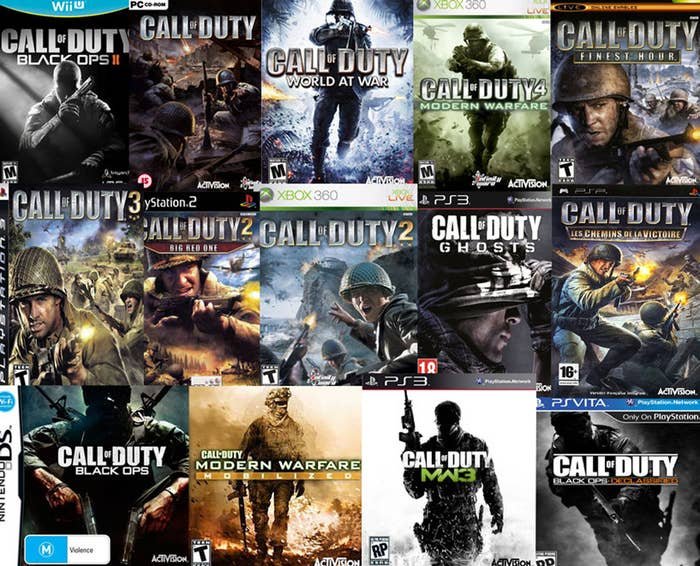
Game IP refers to the intellectual property associated with a game, encompassing elements like characters, stories, and gameplay mechanics, which are legally protected.
Ever wondered about the magic behind your favorite game? It’s more than just code and graphics. What is game IP, you might ask? It’s the valuable ownership of a game’s unique creative content.
Think of characters, stories and game mechanics. These core elements are protected by copyright and trademarks. This safeguards the work of developers and publishers. Game IP is the foundation for a game’s identity.

What is Game IP?
Okay, let’s dive into the exciting world of game IP! You might have heard the term before, especially if you love video games. But what exactly is it? Game IP, short for Game Intellectual Property, is basically all the stuff that makes a particular game unique and special. It’s like the game’s DNA! Think of it as the secret sauce that sets one game apart from all the others.
The Building Blocks of Game IP
Game IP isn’t just one thing; it’s a whole collection of different creative elements. Let’s break it down to see what makes it so special:
Characters: The Stars of the Show
Characters are often the heart of a game’s IP. They’re the heroes, the villains, and all the interesting folks in between. Think about Mario, Sonic the Hedgehog, or Pikachu. These characters are instantly recognizable and loved by millions. They have unique looks, personalities, and backstories, all of which contribute to the game’s IP. It’s not just about how they look, but also how they behave and what makes them special. Do they have super powers? Are they funny or serious? All these details create a character that belongs to a certain game, and that’s a key part of the IP. Developers put a lot of effort into making characters that players connect with, so they become important for the game’s identity.
- Visual Design: Their appearance, costumes, and any unique traits make them stand out.
- Personalities: Their quirks, behaviors, and voice acting add depth.
- Backstories: Their history and motivations give them context.
Worlds and Settings: Where the Action Happens
The world where a game takes place is another important piece of the game IP puzzle. It’s more than just a background. It’s the environment that players explore and interact with. Whether it’s a futuristic city, a fantasy forest, or a spooky haunted mansion, the setting plays a big role in shaping the game’s mood and story. Creating a unique world involves designing locations, the overall theme, and the atmosphere. Is it sunny and cheerful, or dark and mysterious? The setting also helps to tell the game’s story and makes it feel like a real place, even if it’s completely made up. Think about the mushroom kingdom in Super Mario or the vast open world of Grand Theft Auto. These settings are a vital part of their respective game IPs.
- Landscapes: From rolling hills to towering mountains, the geography matters.
- Atmosphere: The overall feeling created by the visuals, sound, and lighting.
- Lore: The history, culture, and rules of the world.
Story and Narrative: The Tale They Tell
A good story can make a game memorable. The narrative is the sequence of events, the quest, and the journey that a player experiences. It’s how the game gets you invested and makes you care about what happens next. The game story involves the characters, their goals, the challenges they face, and how everything ties together. It could be a simple story about rescuing a princess, or a complicated story with lots of twists and turns. This narrative also contains the writing, dialogue, and any text that appears in the game. All these story elements are essential parts of the game IP and help draw players into the game’s universe. Think about the compelling stories in games like The Last of Us, or the epic adventures of The Legend of Zelda. These narratives are a huge part of what makes those games so impactful and memorable.
- Plot: The main events and how they unfold.
- Dialogue: What the characters say and how they say it.
- Writing Style: The tone and language used to tell the story.
Gameplay Mechanics: How the Game is Played
The way a game actually works, from how you move your character to the rules and challenges, is part of its IP. It includes all the systems for interacting with the game. Are there specific control schemes? Are there certain ways to use weapons? All these unique mechanics contribute to the overall gaming experience and help define a game’s IP. Games like “Tetris” are famous for simple yet incredibly addictive mechanics that are very unique. When you think about a specific game, you often think about how it plays, its unique mechanics make part of its IP. For example, the building and crafting mechanics in “Minecraft” are a key part of its IP.
- Controls: How players interact with the game (e.g., button layouts, touch controls).
- Rules: The guidelines and limitations of the game world.
- Systems: The mechanics like combat, crafting, or puzzle solving.
Music and Sound: Setting the Mood
The music and sound effects in a game aren’t just extra; they’re a key part of creating the atmosphere and emotion. The soundtrack, the sound of footsteps, the whooshing sound of spells, everything adds to the overall experience. Music can make a moment feel exciting, sad, or scary. Good sound design can make actions feel real. Think of the iconic sound effects of the original Super Mario Bros. or the memorable music from Legend of Zelda. Sound and music create a lot of emotion, these are definitely part of the game IP. This is why games often have dedicated composers and sound designers who work hard to craft the perfect audio experience that fits with the game’s universe.
- Soundtracks: The music that sets the mood and emotion of the game.
- Sound Effects: The audio that accompanies actions and events in the game.
- Voice Acting: How the characters are brought to life through speech.
Art Style: The Look and Feel
The art style refers to the overall visual appearance of a game. It includes the colors, shapes, and designs used to create the characters, environments, and objects. This style can range from cartoonish and colorful to realistic and gritty, or pixelated and retro. It sets the visual tone for the game. It’s the first thing that people notice. The art style can greatly influence how people perceive and engage with a game. A very distinct art style makes the game more memorable and recognizable. For example, the hand-drawn look of games like “Cuphead” is a very special part of its IP.
- Visual Design: The aesthetic choices made for characters, environments, and objects.
- Color Palette: The range of colors used in the game.
- Graphic Style: Whether it’s pixel art, 3D rendering, or another technique.
Why Game IP is Important
Game IP isn’t just a bunch of creative details; it’s incredibly valuable. It’s like the foundation of a game’s identity and brand. Here’s why it matters so much:
Protection and Ownership
Game IP is protected by copyright laws. It means that only the game’s creators have the right to use, copy, or distribute their game’s unique elements. This protection is important because it ensures that others can’t come along and steal all their hard work. Imagine if someone could copy your ideas and claim them as their own. Copyright law protects creators’ creative works. It makes sure the game makers get credit and can profit from their creations. The game makers can use their IP for more things. It can make more games, movies, toys, and other products. It is important to respect the copyright of others, so their creativity is safe.
Branding and Recognition
A strong game IP becomes a powerful brand. Think about how quickly you recognize the logos, characters, or worlds of famous games like “Mario,” “Minecraft,” or “Pokémon”. People can recognize the game by its art style, unique characters or music. The IP helps to make these games very popular. When a game has a very strong IP, people will recognize it easily. If the IP is a recognizable brand, it will be easier to sell the games and products associated with the game. When the game IP is strong, then the brand is more popular. This makes the games more recognizable and creates a loyal fan base. A strong brand is a good business, meaning that more people will buy the game and associated products.
Monetization and Merchandising
Game IP can be turned into many things other than just the game itself. Game companies can make toys, t-shirts, movies, books, and even theme park rides based on their game IP. All these products help the company make more money and increase the game’s popularity. Fans love to buy products related to their favorite games. This makes a great opportunity for the companies to expand their income and improve its brand. For example, you can find toys, clothes, and many other kinds of stuff based on popular video game characters. It also helps make the brand even more famous. Successful game IPs can turn into huge business empires because of the many ways they can be used for additional revenue.
Expanding the Game World
Game IP allows developers to expand their game worlds beyond the original title. They can make sequels, prequels, spin-offs, and even entire series of games. Each of these games expands on the existing story and characters. This allows the game’s story and characters to evolve and grow. This is also a way to keep the fans interested. These spin-offs, sequels or expansions can also explore different aspects of the game world. It gives the players the same type of experience but in new and exciting ways. This is also a way for developers to show more of their creative ideas to the game. The potential for building on the game’s world is a big advantage of a good IP.
Examples of Strong Game IP
Let’s look at some popular games and how their IP contributes to their success.
Super Mario
Mario is a great example of a powerful game IP. This franchise has everything, iconic characters, a magical world, and fun gameplay. Mario, Luigi, Princess Peach, Bowser, and all the other characters are very well-known and loved by people of all ages. The bright and colorful world of Mushroom Kingdom is also part of its success. The gameplay is very simple, but still remains very engaging. This combination has made it one of the most successful and long-lasting game IPs in history. Mario has been making games for a long time and is known for being very popular.
Minecraft
Minecraft is a game with a very distinctive visual style. The blocks, the world, everything has a pixelated charm. The game has very creative freedom, so you can build things and explore the world as you want. The unique approach has made it incredibly popular. It lets people be creative and imaginative. This has made Minecraft a very powerful IP because people can connect to it and have a very different gaming experience. The sandbox experience sets it apart from other game IPs.
The Legend of Zelda
The Legend of Zelda is famous for its adventure and fantasy worlds. Link, Zelda, and other characters, are part of the IP of this game. The music in these games is beautiful and the gameplay is really engaging. Each of these games has their own stories, they are all part of the same world. All of these aspects have made it another amazing and popular game IP. This has made it one of the most beloved IPs with a huge fan base. Its unique combination of adventure, puzzles, and captivating storylines contributes to its strong identity.
Pokémon
Pokémon has created an entire world based on collecting and battling creatures. The Pokémon themselves are very recognizable, they each have their own unique look and abilities. The game also lets you explore different regions, so you get to experience new adventures and find new creatures. The game IP is strong because it is easy to play and is very popular. The variety of Pokémon and the trading and battling systems make it a very unique experience.
Challenges in Managing Game IP
Managing game IP isn’t always easy. There are several things to consider:
Protecting Against Infringement
The game industry is competitive, which means people may copy other games. Protecting a game’s IP from being copied can be very difficult. Game makers often need to take legal action to protect their game ideas from people who are trying to take it. They also have to watch out for unauthorized use of their creations. They need to take action against anyone who copies their work. Protecting your work is very essential because it protects the originality and creativity.
Evolving and Adapting
Game IPs can get old if they never change, that is why evolving and adapting to the new trends is important. The game needs to grow and change over time. This will also keep the fans interested and attracts new players. Sometimes changing something of the game might risk the original feeling or the identity of the game. Finding the right balance between keeping the original charm while also adding in new ideas can be a tough task for the game makers.
Maintaining Quality
When a game has many different products like movies, toys, or additional games. It can sometimes be hard to make sure that everything maintains the same quality. If new games aren’t good, it may harm the game’s reputation. Keeping the quality high with all the associated products is a challenge but it’s an essential thing to do for maintaining the game’s success.
Game IP is incredibly important in the gaming world. It’s the core of what makes a game unique and successful. It includes characters, worlds, story, gameplay, music, and art style. It’s vital for a game’s brand. It allows companies to protect their work and make other things like toys, movies and other products. When you understand game IP, you’ll see how it affects the games we all play and love. The game companies have to be very careful to protect their IP and at the same time grow and evolve. The game IPs will have an important part of the gaming world for a long time.
IP in the Videogames Industry
Final Thoughts
Game IP refers to the intellectual property surrounding a video game. This includes elements like characters, stories, settings, and even unique gameplay mechanics. Copyright and trademarks protect these creations.
Essentially, game IP encompasses what makes a specific game unique and valuable. Understanding what is game ip is key for developers and players. It dictates ownership and usage rights.

