
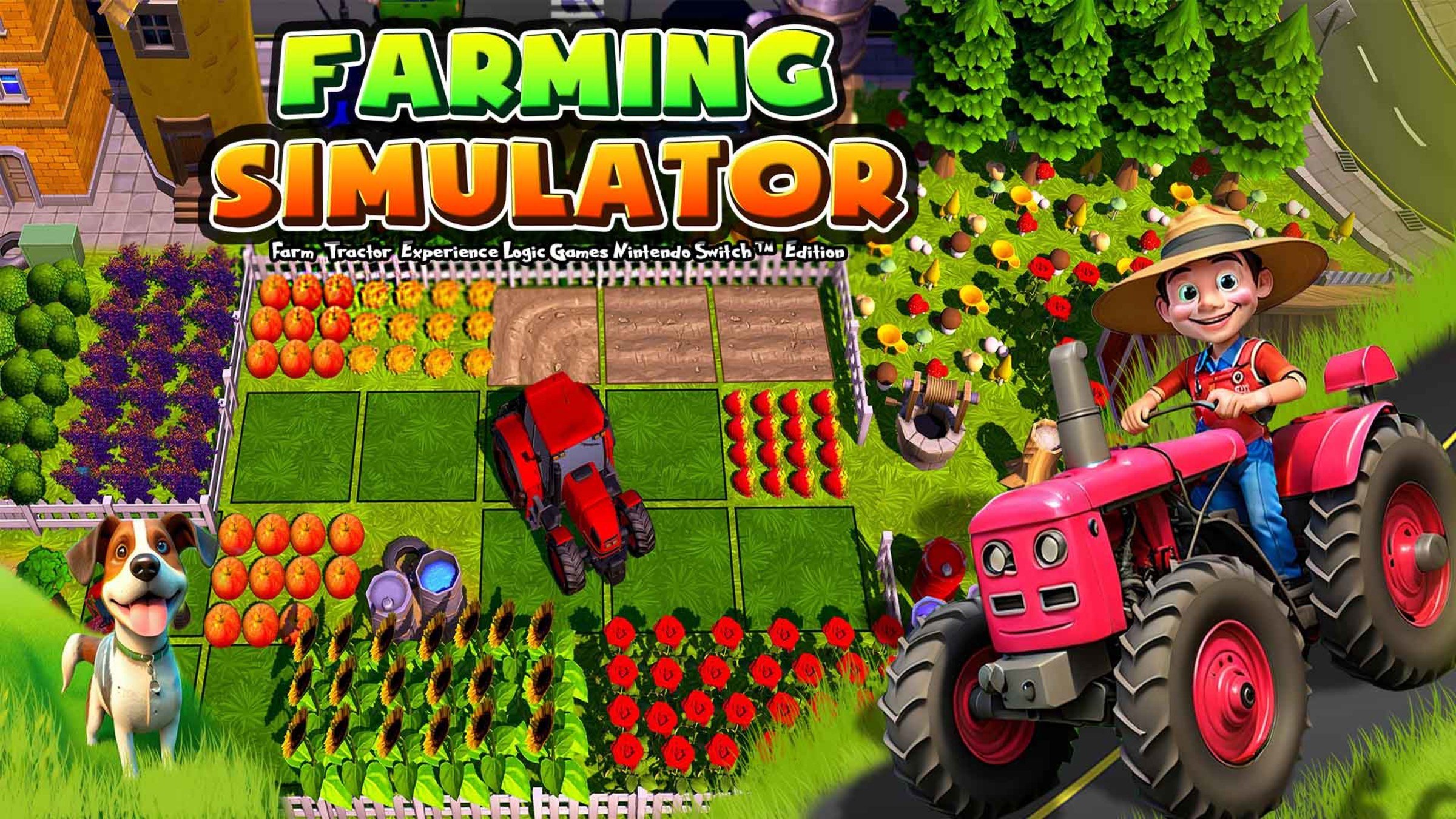
Game simulation is the process of creating a virtual environment to mimic the rules and mechanics of a real or fictional game.
Ever wondered how video games create such immersive worlds? Or how training simulations help professionals prepare for real situations? It all boils down to understanding what is game simulation. This process essentially recreates the rules and systems of a game within a computer environment.
It allows for testing strategies, experiencing scenarios, and learning the core components without physical constraints. Think of flight simulators preparing pilots or sports games analyzing complex tactical plays; these are practical examples. Through this blog, we will be diving deeper into game simulation.

What is Game Simulation?
Have you ever wondered how video games make things feel so real? It’s not magic! It’s often done through something called game simulation. Game simulation is like creating a tiny world inside a computer. This world acts like the real world, or some fantastical world, but everything is controlled by the computer program. Think of it like a pretend playground where the rules of the playground are made up of computer code.
The Core Idea: Mimicking Reality (or Fantasy!)
At its heart, game simulation is about copying how things work. It might be copying gravity, how cars move, or how characters behave. But it doesn’t always have to copy real life exactly. Sometimes, game simulations create entirely new rules for a fun and unique experience. The goal is to make the game world feel believable and engaging for the player. It is using computer programs to model and recreate a variety of experiences.
How Does It Work? Breaking Down the Process
Game simulation involves lots of different parts working together. Let’s look at some key areas:
Physics Simulation
Imagine throwing a ball in real life. It goes up, then comes back down because of gravity, right? In games, a physics engine does the same thing. This part of the simulation handles things like:
- Gravity: The force that pulls things down.
- Collisions: What happens when two things bump into each other.
- Friction: The force that slows things down when they move against something.
- Velocity and acceleration: How fast things are moving and how they change speed.
The physics simulation is crucial for making games feel real. Without it, things would just float around without any reason.
Artificial Intelligence (AI)
Have you ever played against computer characters in a game? That’s AI at work! AI makes the characters in a game behave in a way that seems intelligent. It decides things like:
- Where enemies move and how they attack.
- How friendly characters help you.
- How the game world reacts to your actions.
Good AI can make a game much more interesting because characters behave differently each time you play and react in a seemingly logical manner.
Game Logic
This is where the main rules of the game are set up. It decides:
- What happens when a player presses a button.
- How points are awarded.
- What items can be used and how they affect the game.
- What goals the player has to achieve.
Game logic is very important to making sure that the game experience remains consistent and enjoyable. It is like the instructions manual for the game’s interactive narrative.
Graphics Rendering
All of the simulated elements are then turned into the amazing visuals we see on the screen. This is what takes the simulated world and allows us to see it. Graphics rendering involves:
- Creating 2D or 3D models of everything in the game.
- Adding textures, colours, and lighting.
- Animating objects so they move smoothly.
This process makes sure that the simulated world isn’t just an idea, but that it’s actually something visually appealing and engaging for the player.
Sound Design
Sound is crucial to making a simulation feel real. It involves adding:
- Sound effects for actions like walking, jumping, and shooting.
- Background music that fits the game.
- Voice acting for characters.
Sound design helps immerse players more in the game, making the simulation feel more lively and realistic.
Why is Game Simulation Important?
Game simulation is important for a number of reasons. Here are some important aspects.
Creating Immersive Experiences
Simulation in games makes players feel like they’re actually in another world. When done well, players can forget that they are even playing a game and begin to believe in the simulated world.
Making Games Challenging and Fun
Simulation makes games harder or easier according to the player’s skills. It also leads to more unpredictable and exciting scenarios by generating varied, dynamic situations in the game.
Allowing for Different Types of Games
Simulation enables games to cover many different genres and styles. For example, you can have very realistic simulations (such as in racing or flight games) to more fantastical simulations (such as in role playing games or strategy games) that explore a world of fiction.
Improving Player Engagement
Games are built to be engaging, and game simulation plays an important part in keeping players glued to the screen and wanting to continue their experience.
Types of Game Simulations
Game simulations aren’t just one thing. They come in many forms. Here are some of the most common types.
Realistic Simulations
These try to mimic real-life scenarios as closely as possible. Some examples include:
- Racing Games: These games simulate how real cars drive, including things like speed, friction, and handling. Players feel like they’re actually behind the wheel.
- Flight Simulators: They attempt to recreate the feeling of piloting an aircraft, including all the complicated controls and physics.
- Sports Games: These games simulate real sports, like basketball or soccer. They try to make the movements and strategies as accurate as possible.
Abstract Simulations
These simulations don’t try to recreate reality, but they still simulate how things work in a specific game universe. They may follow a set of rules that don’t conform to reality. Examples of these include:
- Strategy Games: Players control armies, civilizations, or other things on a virtual map, moving things around following the rules of the game.
- Puzzle Games: They follow the rules of puzzle mechanics which are often abstract or logic based.
- Role-Playing Games: They use set rules to make characters grow in power and allow them to interact with a world based on a set of narrative guidelines.
Hybrid Simulations
These simulations combine elements of realistic and abstract simulations. An example would be a first-person shooter that follows the rules of modern warfare but then throws in supernatural abilities, or a racing game that lets you modify your cars in fantastical ways.
The Technology Behind Game Simulation
So, what makes all this possible? Here are some of the technologies involved:
Game Engines
These are the software platforms on which games are built. They come with many tools that assist game developers in building games, including:
- Physics engines for simulating movement.
- Rendering engines for creating graphics.
- Audio engines for sound.
- AI systems for making characters intelligent.
Popular game engines include Unity and Unreal Engine. These tools make it easier to make the game simulations that we love.
Programming Languages
Game developers use programming languages to write the code that makes the simulation work. Some commonly used languages include:
- C++: Often used for game logic and physics.
- C#: Very popular for making games in Unity engine.
- Python: Used for scripting and AI.
Hardware
Powerful hardware is needed to run complex game simulations smoothly. This includes:
- Processors (CPUs): For running calculations.
- Graphics cards (GPUs): For rendering visuals.
- Memory (RAM): For storing data.
Having the best hardware ensures games run smoothly without stuttering or slowing down, which makes for a better gaming experience.
Game Simulation Examples in Action
To get a better feel for game simulation, let’s look at some specific examples.
Grand Theft Auto Series
The Grand Theft Auto series is known for its detailed open-world environments. The game simulates a city with moving traffic, diverse characters, and lots of things that the player can interact with. The game also features physics simulation for cars and combat, and advanced AI for non-player characters.
Minecraft
Minecraft uses an open-world building simulation that allows the player to build and explore their environment. The game simulates the crafting process, and allows for the interactions of different elements in the environment, such as water or fire. The game is also based around the concept of survival, meaning there are many interactions related to that.
The Sims Series
The Sims is a life simulation game that simulates character behavior, the development of relationships, and home building. The game uses complex algorithms to create personalities for characters, as well as a realistic way of simulating work and social events.
Microsoft Flight Simulator
Microsoft Flight Simulator aims for the most realistic recreation of flight. It features detailed, accurate simulations of aircraft controls, weather systems, and geographical locations. The aim is to make the player feel like they are truly flying a plane in real life.
The Future of Game Simulation
Game simulation is always improving. Here are some things we can expect in the future:
More Realistic Graphics and Physics
We can anticipate that with improved technology, games will continue to look and feel more realistic. This includes more detailed graphics and more accurate simulations of physics, leading to more engaging experiences.
More Advanced AI
AI characters will become smarter and more unpredictable in the future, making them feel more like real people. This will bring more challenging scenarios for players to overcome.
Virtual Reality (VR) and Augmented Reality (AR)
Game simulation and VR/AR will continue to overlap, blurring the lines between digital and real worlds. This means that games will become more immersive than ever, giving players incredible experiences that are difficult to differentiate from reality.
Personalized Game Experiences
Simulations may adapt and change according to how the player is playing. This will enable games to be more tailored to each player’s specific choices and styles. This will lead to a more interesting and immersive game experience.
Game simulation is a fascinating field, that enables the world of gaming to be more engaging and rewarding. From basic physics to advanced AI, these simulated worlds provide us with amazing experiences and will continue to improve as technology improves.
Why Elon Musk says we're living in a simulation
Final Thoughts
Game simulation involves creating virtual worlds and scenarios. It uses computer programs to mimic the mechanics and dynamics of a game. Developers use this technique to test game features.
Simulations allow players to experience gameplay before a game’s final release. They offer controlled environments for practicing and experimenting. This process lets creators fine-tune their games, addressing potential issues.
In essence, what is game simulation? It’s about building interactive digital models of gameplay. These models help in the development process and provide engaging player experiences.

