
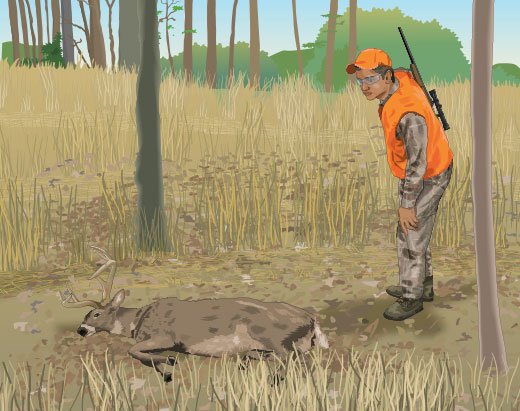
Approaching downed game involves careful observation for signs of life, maintaining a safe distance initially, and then a cautious, deliberate approach to ensure ethical retrieval.
The hunt concludes, and your quarry is down. Now comes a critical moment, one demanding both respect and caution. Understanding what is involved in approaching downed game is paramount for every hunter, ensuring safety and responsible retrieval. This crucial phase requires a specific sequence of actions that can greatly influence the outcome.
First, observe the downed animal from a distance. Look for any movement, signs of breathing, or any indication of life. Maintaining safety for yourself is the highest priority. Once you are certain it’s safe to approach, proceed slowly and deliberately.

What is Involved in Approaching Downed Game
When you successfully harvest an animal, the hunt isn’t quite over. Approaching downed game is a critical step that requires caution, respect, and a good understanding of safety procedures. It’s not just about getting to your prize; it’s about ensuring a safe and ethical conclusion to your hunt. There are a number of things to consider, from what to do right after the shot, to how to handle the animal once you reach it. Let’s explore the process in detail.
The Immediate Aftermath of the Shot
Right after you take a shot, things can get a little exciting, but this is when staying calm and focused is super important. Your immediate reaction can actually help you secure your harvest efficiently. It starts with marking the spot where the animal was standing when you shot it. This is really helpful if the animal runs off, making tracking much easier.
Staying Observant
Take a few moments to watch what happens after your shot. Try to notice how the animal reacts. Did it stumble? Did it run a certain direction? Seeing these details provides important clues about where it went and how quickly you might need to track it. Also, listen carefully. Sometimes you can hear an animal crash, which helps you locate it.
Reloading and Re-assessing
After watching the animal, reload your firearm immediately. This ensures you’re ready in case you need to take another shot. Also, reassess your surroundings. Are there any obstacles or changes in the landscape that could affect your approach? Make sure you know where your hunting partners are too, if you’re hunting with others, for safety.
Waiting Before Approaching
Patience is key when you’re approaching downed game. Many times, giving the animal some time after the shot is extremely important. This is because even if an animal looks like it’s down, it may not be. It could still be dangerous or might try to run away.
The Importance of a Waiting Period
How long should you wait? Well, it varies based on the size and type of animal you are hunting. For larger animals, like deer or elk, waiting 30 minutes is often a good idea. For smaller game, like rabbits or squirrels, you can approach a bit sooner. The idea is to give the animal a chance to expire humanely, and to avoid chasing it unnecessarily.
Why Waiting is Crucial
When an animal has been hit, its adrenaline is pumping. If you approach too quickly, it might try to run, leading to a long and challenging tracking job. Waiting allows the animal to calm down and reduces the chances of further complications. Additionally, waiting helps you make sure the animal is truly down and not just wounded.
The Approach: Proceeding with Caution
Once you’ve waited the appropriate time, it’s time to start the approach. This is a crucial part of the process because safety should be your top priority. Always assume the animal is not completely down until you are absolutely sure.
Using a Safe Approach
When you approach the game, do so slowly and carefully. Keep your firearm ready, but don’t make any sudden movements that could startle the animal. Always approach from the rear. This way, if the animal moves, it is less likely to see you and react aggressively.
Observing the Animal from a Distance
Before you get too close, observe the animal from a safe distance. Look for signs of life: is it breathing? Are its eyes moving? If you see any movement, stay back and consider if you need to take another shot, or if you need to wait longer. Be prepared to do what is necessary to finish the job.
Confirming the Animal is Down
You should not take the fact that it isn’t running as a certainty it’s down. It’s always important to confirm that the animal is no longer alive before you touch it. Here are a few ways to do that:
Checking for Vital Signs
Look for signs that the animal is no longer alive, such as:
- No chest movement (indicating no breathing)
- Eyes that are open and not moving
- No response when approached
If you are unsure, it is best to proceed with extra caution.
The Final Check
If you are sure that the animal is expired, it’s safe to get closer. Use the barrel of your firearm or a long stick to touch the animal. Do this with caution. If the animal is truly down, there won’t be any reaction. Once you are certain, you can begin the next step. Always, always, confirm that the animal is no longer living and is no longer a danger, before touching the animal with your bare hands.
Field Dressing and Handling
After confirming the animal is down, you can begin the field dressing process. Field dressing is the process of removing the internal organs from the animal, making it easier to transport and cooler, as you begin the meat preservation process.
Field Dressing Procedures
The specifics of field dressing can vary based on the type of game you’ve harvested. However, the basic steps usually include:
- Opening the body cavity.
- Removing the internal organs.
- Cleaning the cavity.
It is always a good practice to consult hunting regulations and learn how to correctly field dress your animal, as well as any state or federal regulations that pertain to keeping the meat.
Proper Handling Techniques
When you are handling the animal, you have to be cautious. Always wear gloves to avoid transferring any bacteria or disease to yourself. Handle the animal gently and respectfully. This is the animal you harvested, and this meat will help you and your family. So you should show proper care.
Safety Considerations
Safety is very important throughout the entire process of approaching downed game. Here are a few things to always keep in mind:
Firearm Safety
Always handle your firearm responsibly. Ensure that the safety is on and keep your finger off the trigger unless you are ready to shoot. Do not point the firearm at anything that you do not intend to shoot. You should continue to maintain firearm safety throughout the entire process, even after you have approached the animal. You are still in the woods, and there may be other hunters or other animals nearby.
Personal Safety
Wear bright colored clothing when hunting, so that you can be easily seen. Always carry a first-aid kit, and let someone know where you’re going before you go out hunting. Be aware of your surroundings; not just the animal. Watch out for any natural hazards like sharp rocks or broken branches that can lead to injuries.
Respecting Wildlife
Treat the animal with respect. It is part of the natural cycle, and you are an active participant in that process. This also means handling the carcass properly and following all local and legal guidelines. Every animal plays a role in the ecosystem, and you should be respectful of that.
Tracking Wounded Game
Sometimes, despite a good shot, an animal might not go down immediately. This means you’ll need to track it, following its trail carefully to ensure you get the animal and ensure that it does not needlessly suffer.
Following the Blood Trail
Blood is usually the most obvious sign of a wounded animal. Look for drops of blood on leaves, the ground, or on nearby bushes. The color and amount of blood can tell you where the animal may have been hit and how bad the wound is. Bright red blood usually suggests that it’s from a muscle wound, whereas dark red blood may suggest a stomach or liver wound. Always watch carefully for each drop.
Using Other Signs
Apart from blood, look for other clues. Things like broken twigs, tracks, and disturbed foliage can show you the animal’s path. Pay attention to any changes in the environment that might indicate that the animal went through that area. Sometimes a very small thing that is out of place can show where a trail may be.
Being Persistent
Tracking can be hard work, and sometimes the blood trail is difficult to follow. But you must be persistent. You need to follow the trail as long as it takes. Your goal is to humanely end the suffering of the wounded animal. Don’t give up easily.
Tools and Gear
Having the right gear can make the whole process safer and more efficient. There are a few essential items every hunter should have.
Essential Tools
Here are some of the things you should take with you on your hunt:
- A sharp knife for field dressing.
- Gloves to protect your hands.
- A first-aid kit in case of injuries.
- A good flashlight or headlamp for low-light conditions.
- Plenty of water to stay hydrated
Optional But Useful Gear
Some other gear that is not needed, but very helpful, would include:
- Game bags or tarps to help transport your game.
- A GPS or compass for navigation.
- Binoculars for better observation.
Having the right gear can make a world of difference in your hunting experience, both before and after the shot.
Learning and Improving
Each hunting experience is an opportunity to learn and become a better hunter. Here are a few tips on how to do that:
Reflecting on Each Hunt
After your hunt, take some time to think about what you did well and what could have been better. Did you have everything you needed? Did you approach the animal safely? Reflecting on these things will help you grow as a hunter.
Seeking Guidance
Don’t be afraid to ask more experienced hunters for advice. They can offer valuable insights and share techniques that will help you improve. It is also a good practice to take a hunter safety course if you haven’t already, and if it is required by your local or state guidelines.
Practicing Regularly
Practice makes perfect. Be sure to practice with your firearm regularly to improve your accuracy and shooting skills. Also, practice things like field dressing or tracking with your gear, so you are prepared for all situations.
Summary of Approaching Downed Game
Approaching downed game is a multi-step process. It requires calmness, patience, and a focus on safety. From the immediate aftermath of the shot to confirming the animal is down, field dressing, and even tracking a wounded animal, each step is critical. Knowing these procedures will make you more confident, effective, and ethical as a hunter. Remember to always follow regulations, practice, and continue to learn from your experiences. This ensures that you not only have a successful hunt, but that you are also a responsible and ethical hunter.
Approaching a downed animal
Final Thoughts
Approaching downed game requires caution. Hunters must observe the animal’s position and check for any signs of life before moving closer. A safe approach involves keeping a firearm ready and covering any blind spots.
Knowing what is involved in approaching downed game is crucial for ethical and safe hunting. Confirm the kill before you handle the animal. Always show respect for the harvested game. This procedure ensures a responsible hunt.

