
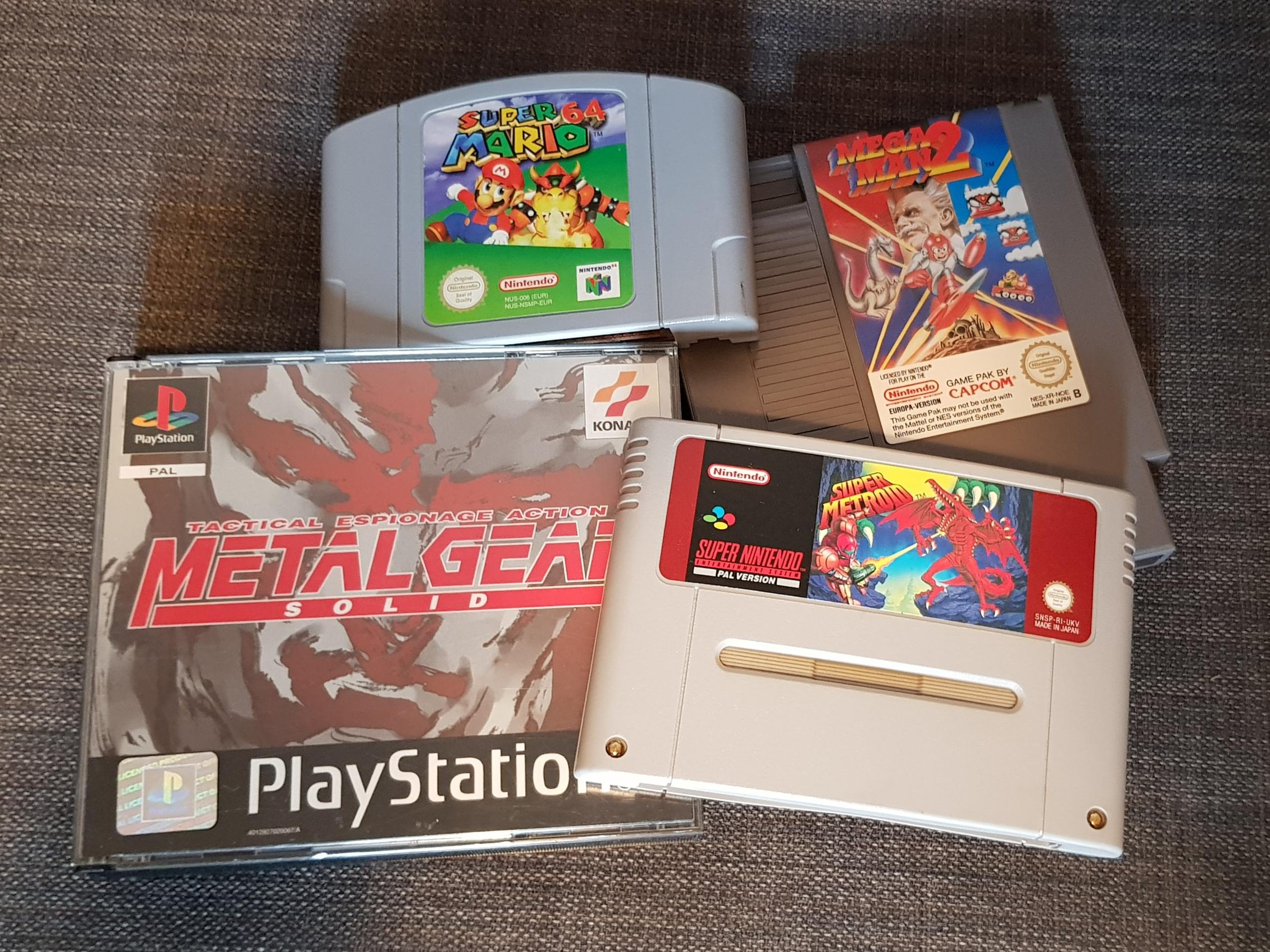
PAL games refer to video games specifically formatted for use in countries that use the PAL television standard, primarily in Europe, Australia, and parts of Asia.
Ever wondered why some older video games might not play correctly on your console? You might be dealing with region encoding, specifically related to PAL games. This standard dictated how games displayed on televisions.
Knowing what is PAL games is essential for collectors and those interested in retro gaming. These games operated at a different refresh rate compared to NTSC, affecting play speed and video output. Understanding this difference can help you navigate the world of older games.

What is PAL Games?
Have you ever heard someone talk about “PAL games” and wondered what they meant? It’s not about having a gaming buddy, although playing with friends is super fun! PAL games actually refer to a specific type of video game that was designed for use in certain parts of the world. Let’s dive in and learn all about them.
Understanding Television Standards: NTSC vs. PAL
To understand PAL games, we first need to talk about how televisions work. You see, different parts of the world use different systems for showing images on a TV screen. The two main systems are called NTSC and PAL. Think of them like different ways of speaking the same language – the television language!
NTSC: The North American Standard
NTSC is mostly used in North America, parts of South America, and some countries in Asia. It shows about 60 images (frames) every second, which makes the picture look very smooth and fast. Imagine flipping through a flipbook really quickly – that’s kind of like what NTSC does.
PAL: The European and Australian Standard
PAL, on the other hand, is mainly used in Europe, Australia, and parts of Asia and Africa. It displays 50 frames per second. While this is a little slower than NTSC, it often results in a slightly higher resolution, which can make the picture look a bit sharper. Think of it like taking a picture with a really good camera – the details might be a little clearer.
Why the Difference Matters for Games
So, why is this difference important for video games? Well, back in the old days, video game systems and cartridges were made to work specifically with either NTSC or PAL televisions. A game designed for an NTSC TV might not work correctly on a PAL TV, and vice versa. It could have problems like:
- Speed Issues: Games might run too fast or too slow.
- Color Problems: Colors might look strange or incorrect.
- Screen Problems: The image might not fit on the screen properly.
Because of this, game developers created different versions of their games for different regions. These versions were specifically designed to work with either NTSC or PAL televisions. This is where the term “PAL games” comes in! They are the versions made to play on PAL systems.
What Makes a Game a PAL Game?
A PAL game is a video game specifically made to work on a PAL television and PAL game console. Let’s look at some of the common characteristics of a PAL game:
50Hz Refresh Rate
The most important feature of a PAL game is its 50Hz refresh rate. This means it updates the screen 50 times every second, matching the standard for PAL televisions. This ensures the game runs smoothly and correctly on a PAL system.
Language Options
PAL games often come with multiple language options on the game cartridges or discs. This is because many different countries use the PAL television standard. You might find English, French, German, Spanish, Italian, and other European languages available.
Slightly Different Gameplay
Sometimes, PAL games might have small gameplay differences compared to their NTSC counterparts. For example, a game might be slightly slower or have different music because the timing of the game is tied to the refresh rate. These differences are usually minor but can be noticeable to keen gamers.
Region Coding
Many game consoles from the past (and even some more recent ones) used region coding to further prevent playing an NTSC game on a PAL console. The region coding on the cartridges or discs tells the console, “Hey, I’m a PAL game! Make sure I’m on the right kind of system.” This meant you couldn’t easily play imported games from other regions without modifications to the hardware or using special converters.
The Evolution of PAL Games
In the early days of gaming, PAL and NTSC differences were a big deal. But as technology advanced, things became more flexible. Here’s how:
Early Gaming Consoles
Early consoles like the Atari, Nintendo Entertainment System (NES), and Sega Master System had distinct NTSC and PAL versions of their games. This was the era where you really needed to make sure you had the right game for your region’s console.
The Transition to Multi-Region Consoles
As consoles like the PlayStation and Xbox started gaining popularity, manufacturers began producing consoles that could play games from both NTSC and PAL regions with greater ease. Some consoles even automatically switched between the two refresh rates. This didn’t eliminate all the issues, but it made things easier for gamers who liked to import games.
Modern Gaming and Digital Downloads
Today, with digital downloads and modern console features, the distinction between NTSC and PAL has become less pronounced. Many modern games are designed to work globally and will automatically adapt to your TV’s settings. However, sometimes you may still encounter older titles or certain indie games that might have some region issues. It’s always a good idea to check before you buy, particularly with older games.
Why People Still Talk about PAL Games
While modern technology has minimized the issues, the term “PAL games” is still used for a few reasons:
Collecting
Many people who collect old video games care a lot about the differences between versions. Collectors might want to have both the NTSC and PAL version of a game, just to compare them or complete their collection.
Preservation
Some people want to keep the authentic versions of the games exactly as they were when they were released. This means playing the PAL version on a PAL console, to make sure it runs as the developers intended, is important to game historians and enthusiasts.
Nostalgia
For many people who grew up in PAL regions, playing a PAL game brings back a sense of nostalgia. It’s a reminder of the games they played when they were younger, which they often played on the original consoles they owned at the time.
Key Differences Between NTSC and PAL games Summarized
Let’s summarize the main differences in a table to make it very clear:
| Feature | NTSC | PAL |
|---|---|---|
| Refresh Rate | 60Hz (60 Frames per second) | 50Hz (50 Frames per second) |
| Primary Regions | North America, parts of South America, and some Asia | Europe, Australia, and parts of Asia and Africa |
| Gameplay Speed | Generally faster | Generally slightly slower |
| Language Options | Often only English or one other language | Multiple language options often included |
| Availability | Primarily designed for consoles in NTSC regions. | Primarily designed for consoles in PAL regions. |
Are PAL Games Better Than NTSC Games?
It is hard to say that one is better than the other, they are different for different reasons. Whether a PAL game is “better” than an NTSC game depends on what you value most. Here’s what most gamers generally consider:
PAL’s Pros:
- Slightly Higher Resolution: Due to the nature of the PAL standard, the picture can sometimes look a bit sharper.
- Multiple Language Options: If you know another language besides English, then there is more chance you will find it in a PAL Game than an NTSC game.
NTSC’s Pros:
- Faster Gameplay: The 60Hz refresh rate generally results in faster and smoother looking action in games.
- Original Speed: Because many games were developed in NTSC regions, they feel closer to the developer’s intentions with regards to pacing.
Ultimately, both versions offer very enjoyable gameplay experiences. It really comes down to personal preference or what region you grew up in.
Can You Play a PAL Game on an NTSC System, and Vice-Versa?
This is a common question! In the old days, playing a PAL game on an NTSC system (or the other way around) was very difficult. Here’s the rundown:
Older Consoles
With older systems, it was generally not possible to play games from other regions. The consoles had different hardware settings, and region coding prevented the games from running. Trying to play a PAL game on an NTSC system would usually result in a blank screen or some kind of error message.
Modifications and Converters
Some very determined players found ways to modify their consoles or use special converters to bypass these regional locks. However, these methods were often risky and could damage your console if done incorrectly. They often don’t work either!
Modern Consoles
Many modern consoles are region-free, which means they will play games from different regions without issue. However, there are sometimes exceptions, particularly with older disc-based games. Additionally, some downloaded games might have some regional restrictions, so its always best to do some research before you make a purchase.
In the present time, it is much easier than it used to be to play games from other regions. Always check the specific details of a game and console before purchasing them, to make sure you won’t have any issues.
So, there you have it! PAL games are a fascinating piece of gaming history. Understanding the difference between PAL and NTSC helps appreciate the journey that video games have undertaken. While the distinction is becoming less and less relevant in the modern age of gaming, they still remain a great part of gaming history.
PAL VS NTSC – What does it REALLY mean?
Final Thoughts
Pal games are simply games you play with friends, family, or acquaintances. These can range from board games and card games to video games and even outdoor activities. The essence is shared fun.
These games often build connections and provide entertainment. They promote interaction and friendly competition. This social aspect is a key component.
Ultimately, what is pal games comes down to shared experiences through play. The focus remains on enjoyment and interaction between people.

