
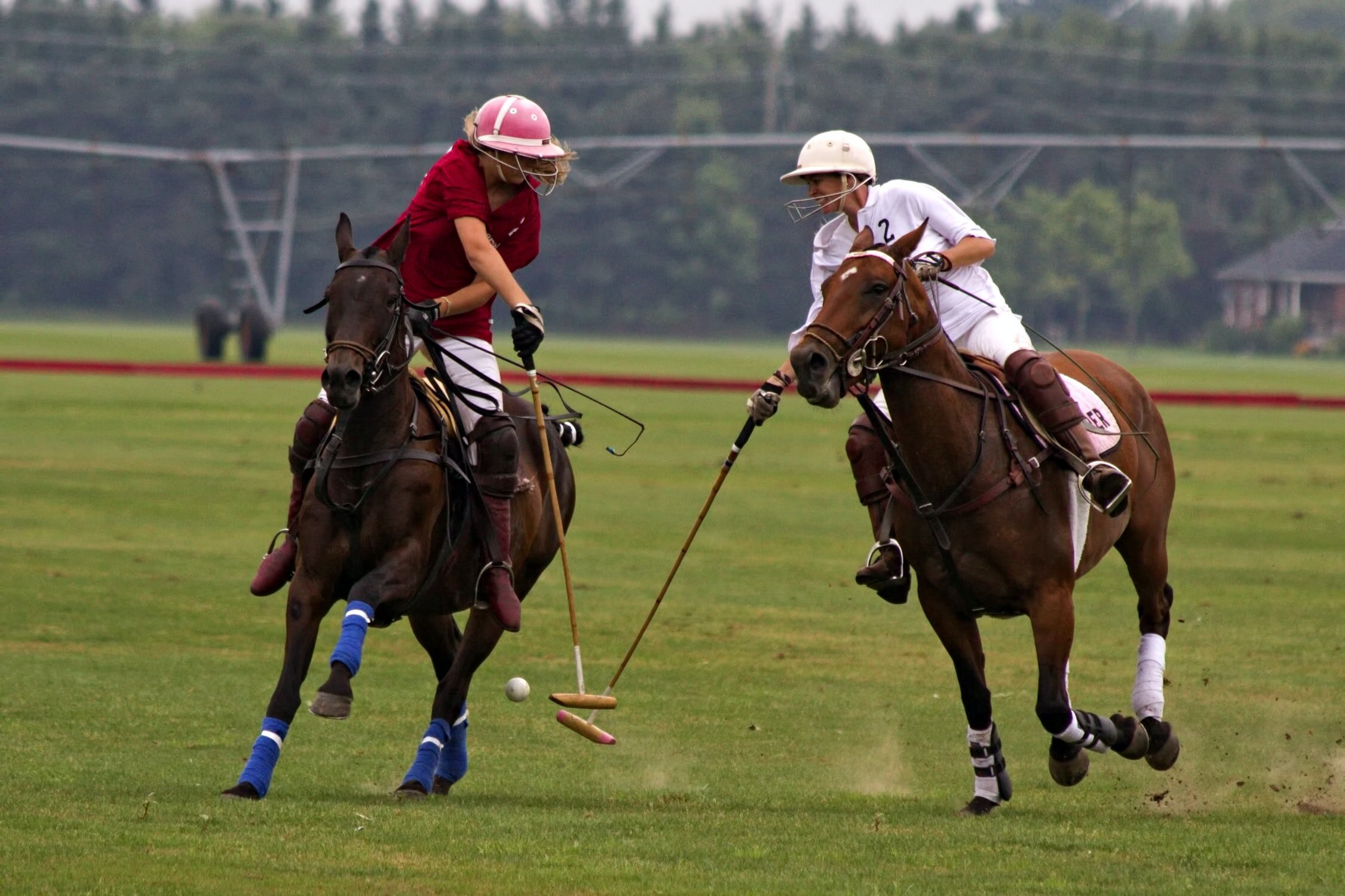
Polo is a team sport played on horseback, where players use mallets to hit a ball through goalposts.
Ever wondered about that fast-paced game you sometimes see with horses and riders? What is polo game, exactly? It’s more than just fancy riding; it’s a thrilling, dynamic team sport.
Players skillfully maneuver their horses while wielding mallets, trying to drive a small ball down the field. The goal is to score by hitting that ball between the opposing team’s goalposts.

What is Polo Game?
Have you ever seen a sport where people ride horses and hit a ball with a long mallet? That’s polo! It’s a super exciting game that combines teamwork, horsemanship, and a good aim. Polo is played on a big grassy field, and the goal is to score by hitting a small, hard ball through the other team’s goal posts. It might sound simple, but there’s a lot more to it than that. Let’s dive into what makes polo such a fascinating sport.
The Basics of Polo
At its core, polo is a team sport played on horseback. Two teams, usually of four players each, compete to score by driving a small ball down the field and through the opponent’s goal posts. Think of it like a supercharged version of hockey, but on horses! The game is fast-paced and requires a great deal of skill from both the riders and the horses.
The Playing Field
Polo is played on a large, rectangular field of grass. These fields are often referred to as “pitches”. They are much bigger than a soccer field, measuring about 300 yards long and 160 yards wide. At each end of the field, there are two goal posts, which are typically 8 yards apart. The field is carefully maintained to provide a safe and level playing surface for both the horses and players. The large size of the playing area means lots of room for the horses to run and the players to maneuver.
The Players
Each polo team is made up of four players, and each player has specific roles that contribute to the team’s overall strategy. These positions are typically named by number, from one through four. Player number one is primarily focused on scoring goals, while player number four plays more of a defensive position. Players two and three play support roles, linking the offense and the defense. Good teamwork is essential for a successful polo team. Here is a breakdown of typical positions:
- Number 1: The primary goal scorer. They often focus on attacking and making plays near the goal.
- Number 2: A supporting offensive player, often helping number 1 or making their own runs at the goal.
- Number 3: A key playmaker, often considered the “quarterback” of the team. They link the offense and defense.
- Number 4: The primary defensive player. They protect the goal and work to disrupt the opponent’s attacks.
The Equipment
Polo players and their horses need special equipment to keep them safe and help them play well. Let’s explore some of this gear.
Player Equipment:
- Helmet: A sturdy helmet is crucial to protect the player’s head in case of a fall.
- Polo Mallet: A long, thin stick with a wooden head at the end, used to hit the polo ball.
- Boots: Strong, tall boots that go up to the knees to protect the legs while riding and from being hit by a ball.
- Knee Pads: Help to protect knees in the event of falls or accidental impacts.
- Gloves: Worn to provide a good grip on the reins.
Horse Equipment:
- Saddle: A specialized polo saddle allows the rider to sit comfortably while maneuvering quickly.
- Reins: Leather straps used to control the horse.
- Leg Wraps: Protective wraps are often used around the horse’s legs to prevent injury during the fast-paced action.
- Mouthpiece: Different mouthpieces are used to communicate with the horse properly.
The horses themselves are also incredibly important. They are specially trained to be agile and responsive to the rider’s commands, they need to be fast, athletic and reliable. These horses, sometimes called “ponies” though they are usually full sized horses, are real athletes in their own right.
How a Polo Match is Played
A polo match is divided into periods called “chukkers.” Each chukker lasts for seven minutes of playing time. There are typically between four and eight chukkers in a match, depending on the level of play.
Starting the Game
The game starts with a throw-in of the ball by the umpire. The teams line up in the middle of the field, and the umpire tosses the ball between them to get the game underway. From there, it’s all about speed, strategy, and teamwork as players ride and maneuver to control the ball and score.
The Flow of the Game
The goal of the game is to get the ball between the two goal posts of the opposing team. Players hit the ball with their mallet as they ride at high speeds. There are rules about how a player can approach the ball and another player which are designed to keep the game safe and fair. For example, crossing the path of a player who is hitting the ball, called “crossing the line”, is not allowed. It’s all about controlling the ball, making clever passes, and outmaneuvering the other team to score goals. Players work to move the ball downfield, with the aim of getting a clear shot at the goal.
Scoring
A goal is scored each time the ball is hit completely through the opponent’s goal posts. After a goal is scored, the teams switch directions of play. The team with the most goals at the end of the match wins.
Fouls and Penalties
Like other sports, polo has rules to ensure fair play. Fouls can occur when a player does something unsafe or breaks a rule. Common fouls include crossing the line, dangerous riding, or hitting a player with the mallet. When a foul is called, the other team may be awarded a penalty, such as a free hit at goal.
Changing Horses
Because polo is such a demanding sport, both physically and mentally on the horses, players switch horses between chukkers. This allows horses to rest and remain at peak performance through the entire game. It’s a vital part of keeping the horses healthy and ready to play.
The Skills Needed for Polo
Polo requires a unique combination of skills. Players need to be excellent riders, have a good eye-hand coordination, be strong, have strategic thinking, and teamwork capabilities.
Horsemanship
First and foremost, polo players need to be skilled riders. They must be able to control their horses while riding at high speeds, making quick turns, and keeping their balance, all while focusing on the ball. Good communication and trust with their horse are essential. The horse and rider work as one unit on the field.
Hand-Eye Coordination
A player needs to have quick reflexes and precision to hit a small ball with a long mallet while riding a horse. They need to be able to judge the speed and movement of both the ball and the horse to make good hits and passes. Accuracy is crucial for scoring goals and making successful plays.
Strategic Thinking
Polo isn’t just about hitting the ball as hard as possible. It requires strategic thinking, with players anticipating where the ball will be, planning their moves, and working with their teammates. Each player needs to understand their position on the team and how they contribute to the game plan. Like chess on horseback, players need to think many steps ahead to win.
Teamwork
A team can’t win without good teamwork. Players need to trust and work together seamlessly to make plays and score goals. Communication, both verbal and non-verbal, is very important. They need to work together effectively to move the ball down the field and create scoring opportunities, and of course, teamwork on defense is also crucial to stop the other team from scoring.
The History of Polo
Polo is one of the oldest team sports in the world, with a long and interesting history. It can be traced back to ancient Persia, where it was a training game for cavalry units. It spread across Asia and later, to Europe.
Early Origins
Historians believe that polo was played in ancient Persia (modern day Iran) over 2500 years ago. It was a way for warriors to practice their riding skills and develop their military prowess. The game was called “chaugan” and was an important part of Persian culture. Over time it spread to other areas of Asia.
Spread to Europe and the Americas
British army officers in India were introduced to the game in the 19th century and were very impressed. They started to play and popularize the game by adapting it to their rules and established the first formal polo clubs and rules. From there, polo spread to other parts of Europe and eventually to the Americas. The British, Argentine, and American polo traditions became influential and contributed to the game’s development.
Modern Polo
Today, polo is played in countries all over the world, with Argentina, England, and the United States having strong polo traditions. There are both amateur and professional leagues, and the game remains a popular spectator sport. Polo continues to evolve with new equipment, techniques, and players making the game even faster and more exciting.
Why People Love Polo
Polo isn’t just a game; it’s an experience. There are many reasons why people love this sport, including the skill of the players, the beauty of the horses, and the fast-paced action. It offers a unique combination of athleticism and strategy.
The Thrill of the Game
Polo is a very exciting sport to watch because of the speed and agility of the horses and the skill of the players. The fast paced nature of the game and the constant movement make it an engaging experience. The constant back-and-forth of the ball keeps spectators on the edge of their seats.
The Horses
The athleticism and beauty of the polo horses is amazing. Watching these majestic animals run at full speed while under control by their rider, is a very spectacular sight. The strong bond between rider and horse is also a fascinating aspect of the sport. The training of these horses is also very admirable and it’s part of what makes polo so appealing to the viewers.
The Social Aspect
Polo games are often social occasions, with people gathering to enjoy the sport and company of friends and family. It’s a great way to spend time outdoors, while also enjoying the energy and excitement of a live match. The social aspect of polo also adds to its overall appeal.
In conclusion, polo is more than just a sport; it’s a blend of history, skill, teamwork, and horsemanship. From its ancient origins to its modern-day popularity, polo continues to captivate audiences worldwide. Its combination of speed, strategy, and the powerful connection between horse and rider makes it a truly unique and fascinating game.
The Rules of Polo – EXPLAINED!
Final Thoughts
Polo is a fast-paced team sport played on horseback. Players use mallets to hit a small ball through goals. The game requires skill, strategy, and horsemanship.
It blends athleticism with equestrian expertise. Two teams compete, aiming to score more goals than the opposing team. It’s a sport with a rich history.
Ultimately, what is polo game? It’s a dynamic contest that merges riding prowess and precise ball handling. Understanding these basics paints a clear picture of the sport.

