
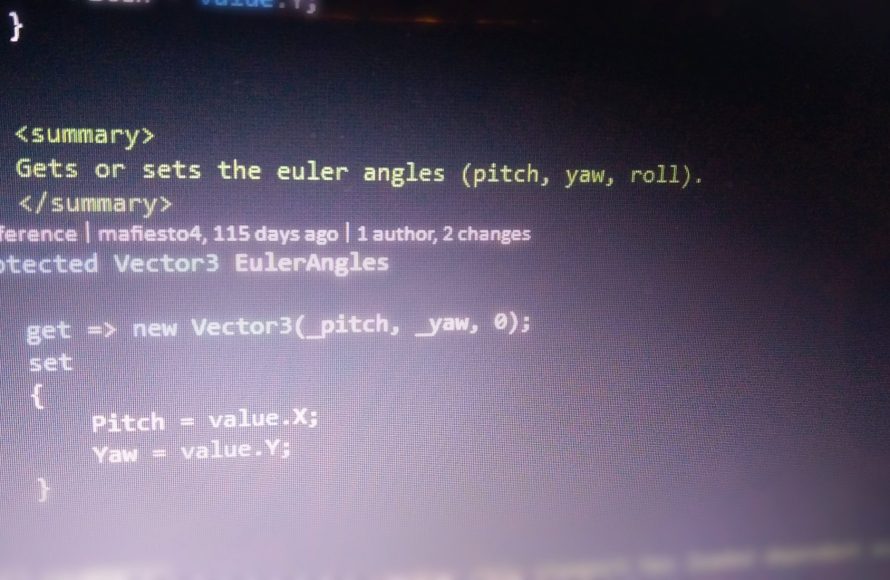
Scripted in game refers to pre-determined actions or events that occur based on specific triggers, creating a controlled experience for the player.
Ever wondered how game characters seem to follow a path or how certain events always happen at the same time? It’s not magic, but rather, a carefully crafted set of instructions. We often talk about player choices, but a lot of what you experience is actually planned by developers. Understanding exactly what is scripted in game provides insight into how developers control the game’s narrative and mechanics.
This pre-planned nature is the very heart of level design and encounter design. These planned moments influence your path through a game. Scripting provides a way to ensure a specific sequence of happenings in video games.

What is Scripted in Game?
Have you ever played a video game and felt like the characters were acting in a certain way, or certain events were happening at specific times? That’s often because of something called “scripting.” Think of it like the game’s own special instructions, telling it exactly what to do and when to do it. It’s like a director for a play, but for a video game! It makes the game feel alive and engaging.
Understanding Game Scripts
At its heart, game scripting involves writing code that dictates the behavior of the game world. These scripts aren’t usually visible to players, but they’re the driving force behind almost everything you experience in a game. From simple things like making a door open when you press a button, to complex scenarios like a boss battle with multiple phases, scripts are what make these things happen.
The Role of Scripts
Scripts serve several very important purposes in a game. They handle:
- Character Actions: How characters move, what they say, and how they react to the player and other game elements.
- Environmental Interactions: How objects in the game react, such as a lever activating a bridge, or a light switch turning on lights.
- Event Triggers: What actions start specific events, like entering a room causing enemies to appear or reaching a certain point on the map triggering a cut scene.
- Game Logic: The rules of the game, scoring, winning conditions, and how the game responds to your choices.
- UI (User Interface): How the game menu works, the display of health bars and the mini-map and all the other things displayed on screen.
Essentially, if something is happening in the game, there’s likely a script telling it what to do.
Types of Game Scripts
There are different ways to script a game, and some methods are better suited for certain tasks. Here are some common ways game scripts are implemented:
Simple Trigger Scripts
These are straightforward scripts that make basic events happen. For example, a script might say, “When the player touches this door, open it.” Simple trigger scripts often handle single events like picking up an item or activating a switch.
- Example: If the player steps on a pressure plate, a trap might activate.
Sequence Scripts
These scripts control actions that need to happen in a certain order. For instance, a sequence of events in a cutscene would use a sequence script to make sure the animations and dialogue play in the correct order.
- Example: When a player first starts the game, a sequence of introduction steps might happen with dialogues and animations.
Conditional Scripts
Conditional scripts execute different actions based on different conditions. These scripts introduce options and allow the game to adapt to player’s choices. For example, the game might have a different reaction based on whether you have a specific item or not.
- Example: A non-playable character (NPC) might give you a different reward based on the choices you made earlier in the game.
AI Scripts
These scripts handle the behavior of non-player characters (NPCs), enemies, and even animals. AI scripts determine how enemies move, when they attack, and how smart they are.
- Example: An enemy might follow the player when it sees them and begin to attack.
Cutscene Scripts
Cutscenes are like mini-movies within the game. Cutscene scripts direct the actions and camera angles, making the story come to life. These scripts control what happens during those moments, including the character actions, dialogues and special effects.
- Example: In a cutscene the character might be talking with someone or be making some other dramatic action.
Scripting Languages
Game developers use different scripting languages to write game scripts. These languages are like the different dialects used by coders to give instructions to the game. Here are a couple of popular choices:
- Lua: A popular scripting language used for many games, it is known for being easy to learn and very powerful.
- C#: Often used with the Unity game engine, C# is a general-purpose programming language that works well for game development.
- Python: Although not used as much as Lua or C#, Python is also used for scripting games in specific game engines. It is known for being easier to read and learn.
- Visual Scripting: Instead of typing code, developers can use visual scripting tools. These tools use blocks or nodes connected by lines to create game logic. It’s more like drawing instructions, which can be easier to learn for beginners.
Why is Scripting Important?
Game scripting is the secret sauce that makes each game unique and engaging. Without scripts, games would be static and very boring. Here are a few reasons why scripting is essential:
- Creating Dynamic Experiences: Scripts make the game respond to player actions, making the game feel unique each time you play.
- Enabling Complex Interactions: They allow for complex interactions between the player, characters and environment.
- Controlling Game Flow: Scripts dictate what happens when and in which order, keeping the gameplay structured.
- Telling Stories: Scripts are used in storytelling, from simple character dialogues to dramatic cutscenes.
- Adapting to Player Choices: Scripts allow games to react differently to player choices which improves replayability.
Examples of Scripted Events
Let’s look at some more examples of scripted events in games:
- Opening a Chest: When you interact with a treasure chest, a script might make the chest open, play an animation, and provide the player with items.
- Enemy Encounters: When you go to a specific place, a script could generate some enemies and start a combat encounter.
- Dialogue with NPCs: When you talk to a non-playable character, a script might start a conversation, make them respond differently depending on your choices.
- Puzzle Solutions: When you solve a puzzle in the game, a script might play an animation or open a door to the next area.
- Boss Fights: Boss fights often depend heavily on scripting to control their unique attack patterns and phases of battle.
More Advanced Scripting Concepts
When you learn more about game scripting, you’ll discover a lot of advanced concepts used by developers to make games even better. These include:
Variables
Variables act like storage containers that keep data. For example, a variable could be used to keep track of how many coins the player has or how much health their character has left. When these variables change, scripts will change in response.
Functions
Functions are like small blocks of code that perform a specific action. They help developers keep their scripts organized and avoid repeating code. For example, a function may handle a simple enemy attack.
Loops
Loops are used to repeat an action multiple times. For example, a loop may be used to make a lot of enemies appear one after another.
Events
Events are like signals that something has happened in the game. Scripts can be designed to react to these events. For example, when the player touches an object, the “touch” event would trigger a function.
The Impact of Scripting on Gameplay
The quality of game scripting can greatly impact a player’s experience. Well-written scripts can make the game feel immersive, with everything working together seamlessly. Poorly written scripts, however, can lead to bugs, glitches, and an overall bad game experience. Great scripting is not about flashy features, but more about crafting a cohesive and fun experience.
How Scripting Affects Different Game Genres
Scripting is essential for all game genres, but it’s implemented in different ways. For example:
- Role-Playing Games (RPGs): RPGs often use scripting extensively for dialogue systems, complex quest structures, and character progression systems. The whole story structure of the game is very dependent on scripting.
- Action Games: Action games use scripting for enemy AI, combat encounters, and cutscenes. The reaction speed of enemies and the power of the weapons depends on scripting.
- Puzzle Games: Puzzle games use scripting for defining puzzle logic, how objects react, and how you transition between puzzle sections. When you solve a puzzle there are scripts that control the game’s reaction.
- Sports Games: Even sports games use scripting for the AI of the players, referee decisions, and game commentary. These features are all driven by scripts in the background.
- Platformers: Platformers use scripts for level design, character movement, and enemy placement. How high you jump, the speed you move and what enemies you will meet depends on scripting.
Tools for Creating Game Scripts
Game developers use specialized tools to help them write scripts more easily and quickly. These tools often include features like code editors with autocompletion, debugger, and sometimes even visual scripting capabilities. These include:
- Game Engines: Engines such as Unity, Unreal Engine, and Godot have built-in scripting editors and tools, making the process of writing scripts easier.
- Text Editors: Text editors like VS Code can be used for scripting. These editors help developers write code efficiently.
- Visual Scripting Tools: Tools such as Playmaker or Bolt (in Unity) allow developers to create scripts using a node-based system rather than writing code.
Scripting vs. Programming
While scripting and programming are similar, there are some important differences. Programming is more concerned with building the core systems of the game, while scripting tends to focus on controlling how the game runs. You can think of it this way:
- Programming builds the engine, making the game run.
- Scripting makes the cars move around within the engine, telling them what to do.
Programming can use languages like C++, while scripting often uses languages like Lua, Python or C#. Usually programming requires a deeper knowledge of how computers work than scripting. But both are really important parts of making a game.
Learning Game Scripting
If you are interested in game development, learning scripting is a great idea. Here are some things to keep in mind:
- Start Simple: Begin with basic scripting tasks, such as triggering events and character movement. Don’t jump into advanced topics before understanding the basics.
- Use Tutorials: There are many tutorials available online for learning game scripting with different game engines or languages.
- Practice: The more you practice, the better you’ll get at writing game scripts. Try scripting basic events and keep working on more complicated stuff.
- Be Patient: Scripting takes time and patience. Don’t get discouraged if you face errors. The more you learn, the easier it becomes.
Game scripting is at the very core of a great gaming experience. Scripts make the game come alive, giving it its personality and unique features. Whether it’s the character actions, the environment, or the sequence of events, scripts are working behind the scenes to create the game. By understanding how scripting works, you can gain a deeper appreciation for the amazing video games you love to play. So next time you play a video game, think about all of the work that went into building all the scripts to make everything happen!
Is the NFL scripted? 🧐
Final Thoughts
Scripted events are key. These pre-determined actions control the narrative and flow of gameplay. They define when cutscenes play, enemies appear, and certain dialogue triggers. This pre-planned framework forms the backbone of the gaming experience.
Ultimately, what is scripted in game dictates the player’s journey. It shapes challenges and directs the story forward. Developers carefully design these sequences to provide specific feeling and progression.

