
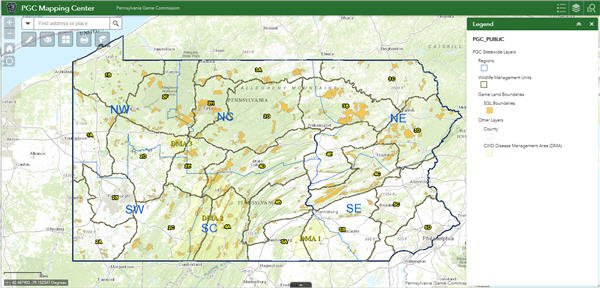
State game lands are areas of land managed by state agencies for the purpose of wildlife conservation and public hunting, trapping, and fishing.
Have you ever wondered about those sprawling green spaces often marked on maps as “state game lands”? What is state game lands, really? It’s more than just vacant land; it plays a crucial role in preserving wildlife habitats.
These lands provide a place for animals to thrive, while also giving us opportunities for outdoor recreation. They are often open to the public for hunting, trapping, and fishing according to specific regulations set by the state.

What is State Game Lands?
Have you ever wondered about those big patches of land you see on maps, often labeled as “State Game Lands”? They’re not just random areas of forest or fields; they’re special places set aside for wildlife and for people who enjoy outdoor activities. Let’s explore what makes them so important and what you can do there.
Purpose of State Game Lands
The main reason these lands exist is to help wildlife. Think of it like a giant park just for animals! State Game Lands provide safe places for animals to live, eat, and raise their young. They’re like the animal’s home, protecting them from things like too much building or too many people. But it’s not just about the animals; these lands also offer fantastic opportunities for people like you and me to connect with nature. Let’s break down the main reasons for their existence:
- Wildlife Habitat: First and foremost, State Game Lands are crucial for protecting and creating homes for various animals, birds, and even insects. This means that these lands have the right mix of food, water, and shelter that wildlife needs to thrive.
- Hunting and Trapping: These lands provide places where people can hunt and trap animals in a controlled and safe way. This helps keep the animal populations balanced and also provides opportunities for outdoor recreation for those who hunt.
- Public Recreation: While the focus is on wildlife, State Game Lands are also open to the public for activities like hiking, bird watching, and nature photography, allowing people to experience nature firsthand.
- Conservation: These areas serve to conserve natural resources, which benefits both wildlife and people. This means the land is protected from development and other activities that could harm its natural state.
- Education and Research: Many state game lands allow for research and educational opportunities, which help scientists and students learn more about wildlife and the environment.
Who Manages State Game Lands?
State Game Lands aren’t managed by just anybody; they’re usually managed by a state agency. Each state has its own fish and wildlife agency. For example, in Pennsylvania it’s the Game Commission, and they work hard to make sure these lands are well taken care of. These agencies are responsible for:
- Land Management: They decide how the land should be used, which areas to protect, and how to improve the habitat for wildlife. This might mean planting new trees, creating ponds, or controlling invasive plants.
- Setting Hunting Regulations: They make the rules about hunting and trapping, such as what animals can be hunted, when they can be hunted, and how many can be taken. This makes sure that hunting is done safely and that it does not negatively impact wildlife populations.
- Maintenance: They take care of things like roads, trails, and parking areas within the State Game Lands to make sure they are safe and easy to use.
- Law Enforcement: They make sure that people are following the rules and regulations set in place for these areas. This helps keep the wildlife and people safe.
- Wildlife Monitoring: They keep track of the animals that live on the State Game Lands. They do this to make sure that they are thriving and that they have the resources they need.
Where are State Game Lands Located?
State Game Lands are scattered all over different states. They are not usually found in cities or heavily built-up areas. Rather, you find them in rural areas, often places with lots of forests, fields, or wetlands. You can often find maps online or at your state’s fish and wildlife agency website that show where these lands are located. It is good practice to check them out before planning a visit. Here are some common locations:
- Forested Areas: A large portion of State Game Lands are in forested regions. These lands are vital for animals that live in the woods, such as deer, bears, and squirrels.
- Farmlands: Some State Game Lands are a mix of fields and woods. These areas are great for animals that like open spaces, like rabbits, pheasants, and various songbirds.
- Wetlands: Lands along rivers, lakes, and marshes are extremely important habitats. They support animals that live in or near the water, such as ducks, geese, and beavers.
- Mountainous Regions: Many State Game Lands can be found in mountainous regions, providing a variety of habitats for different species that enjoy this type of environment.
What Can You Do on State Game Lands?
While the primary goal is to help wildlife, State Game Lands also provide opportunities for people to enjoy the outdoors. But, it’s important to know the rules for each state’s game lands. Not every activity may be allowed, and there are always specific regulations to keep everyone safe and protect the land.
Hunting and Trapping
Hunting and trapping are some of the most common activities allowed on state game lands. Each state has specific seasons, rules, and regulations. If you plan on hunting, you will need a license and must follow the specific rules for the game land. It’s critical to check the state’s hunting regulations before heading out. It’s not just about having a license; it’s also about being responsible and ethical while hunting. This means hunting safely and respectfully. Hunters also contribute a lot to wildlife conservation through license fees, and this money supports wildlife management.
Hiking and Trail Use
Many state game lands offer trails for hiking, providing a chance to explore the woods, observe wildlife, and enjoy nature. Trails are not just for walking though; they can also be used for activities like:
- Nature Walks: Take a relaxing walk while enjoying the scenery and wildlife.
- Trail Running: Get some exercise while enjoying the outdoors.
- Photography: Capture images of beautiful landscapes and wildlife.
Make sure that you stay on marked trails, be respectful of the wildlife, and carry out everything that you carry into the park.
Wildlife Observation and Birdwatching
State Game Lands are fantastic for observing wildlife. You might see animals like deer, squirrels, birds, and even smaller creatures like frogs and insects. Bird watchers often flock to these areas because of the wide variety of bird species. Some tips for wildlife observation:
- Go Slowly: Walk quietly and slowly to avoid scaring animals.
- Use Binoculars: Binoculars help you see animals without getting too close.
- Bring a Field Guide: Use a field guide to help identify what you are seeing.
Fishing
Some State Game Lands may include areas with rivers, ponds, or lakes where fishing is allowed. You might catch fish like trout, bass, or other freshwater species. Just like hunting, fishing requires following state fishing regulations, which include having a license and following rules about the type, size, and number of fish you can keep. Be a responsible angler and always follow the rules.
Other Permitted Activities
In addition to the major activities, some state game lands may also permit activities such as:
- Picnicking: Enjoy a meal in nature at designated picnic areas.
- Camping: Some game lands might allow primitive camping in specific areas.
- Horseback Riding: Some areas allow horseback riding on designated trails.
- Canoeing/Kayaking: Access to some water bodies is sometimes provided, allowing for paddling activities.
Before heading to state game lands, research any specific rules regarding these activities and whether they are permitted at the location you plan on visiting.
Rules and Regulations
It’s important to be responsible while on state game lands. These lands belong to everyone and must be treated with care. Rules are in place for the safety of both people and wildlife. Here are some important rules that you’ll often find:
General Conduct
- Respect Wildlife: Do not approach, feed, or disturb animals.
- Leave No Trace: Pack out everything you bring in and avoid littering.
- Stay on Trails: Try to remain on designated trails to prevent damage to habitat.
- Avoid Fires: Only use fire in permitted areas.
- Respect Property: Be respectful of signs, fences, and other property.
Hunting Regulations
- Licenses: You need a valid hunting license to hunt on state game lands.
- Seasons: Hunting is only allowed during specific seasons.
- Bag Limits: There are limits on the number of animals you can hunt.
- Permitted Weapons: There are restrictions on the type of weapons that you can use.
Other Rules
- Alcohol Restrictions: Alcohol consumption may be restricted or prohibited.
- Vehicle Use: Vehicles might be restricted to certain roads and parking areas.
- Pets: Pets are often allowed, but usually must be on a leash.
- Camping Rules: Camping is often allowed in designated areas only.
It’s always a good idea to check the specific rules of the state game lands you are visiting by visiting the state’s game commission’s website.
Why Are State Game Lands Important?
State Game Lands are important for many reasons. They help protect wildlife, provide places for outdoor recreation, and support conservation efforts. Here’s a quick recap of their significance:
- Biodiversity: They provide a habitat for a wide range of species, which helps maintain a healthy ecosystem.
- Recreation: They provide places for people to hunt, hike, and connect with nature.
- Economic Impact: They contribute to the economy through hunting and outdoor tourism.
- Education: They provide places where people can learn about nature and conservation.
- Future Generations: They ensure that future generations can enjoy nature.
By visiting state game lands, you’re helping to support these areas and their important work. The fees you pay for hunting licenses and other permits go directly into supporting the maintenance and protection of these lands. It’s important to remember that it’s a privilege to access these spaces, and it’s our responsibility to ensure that we treat them with care so everyone can enjoy them.
State game lands are essential spaces that provide habitats for wildlife, and opportunities for recreation and learning. They offer something for everyone to enjoy as long as we respect their purpose and the rules. When you visit these special places, you’re contributing to conservation and helping ensure future generations can enjoy the same opportunities.
State Game Lands – film trailer
Final Thoughts
State game lands are areas of land acquired and managed by the state for wildlife conservation and public hunting. These lands provide habitats for various animals and offer recreational opportunities. Many states dedicate license fees to purchase and maintain these areas.
These areas are vital for preserving biodiversity. They also allow hunters access to public land. Therefore, what is state game lands? It is a resource for both wildlife and people.

