
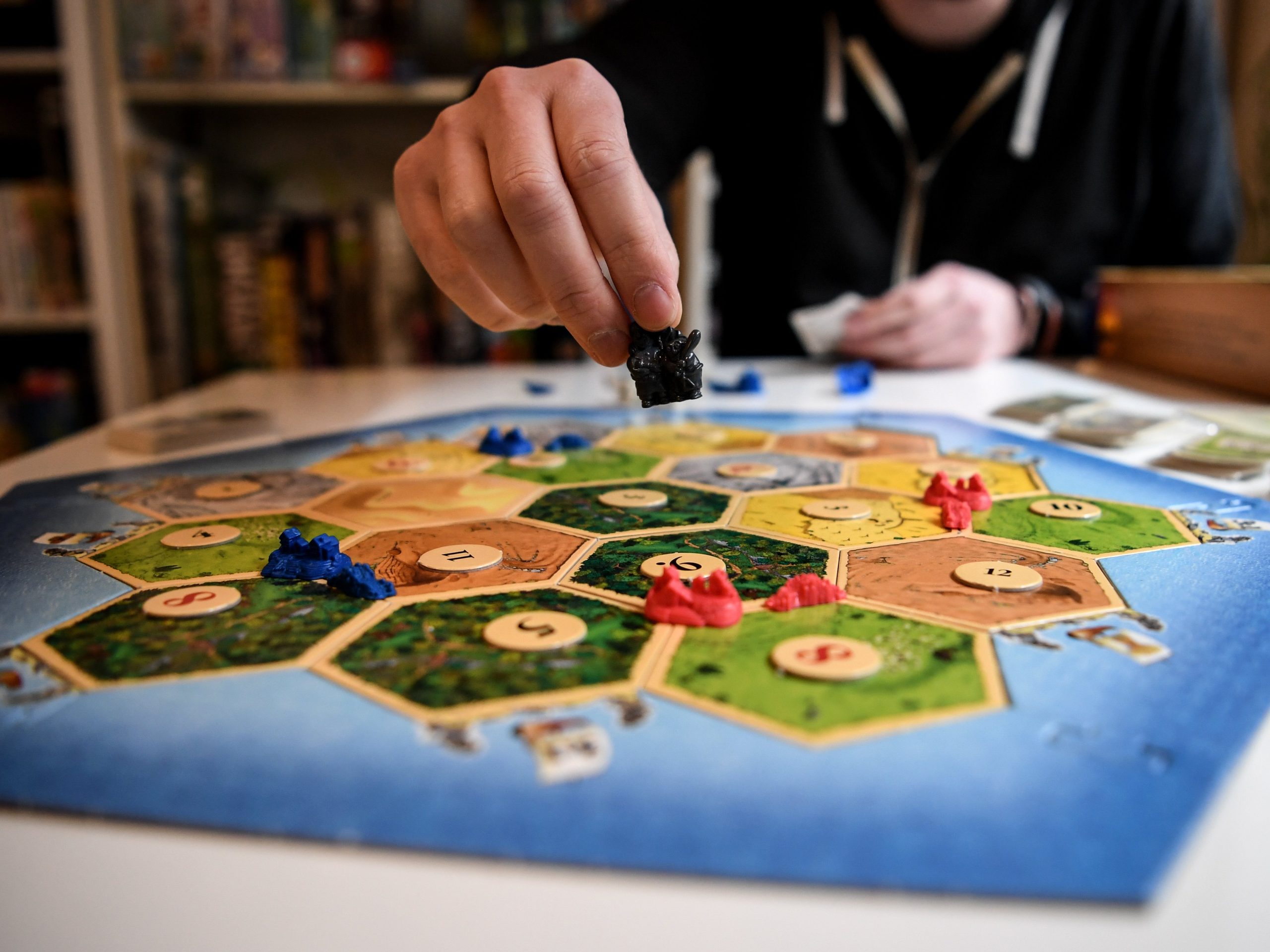
A tabletop game is a game played on a surface, like a table, using physical components such as dice, cards, or game pieces.
Ever wondered about the world of board games, card games, and even role-playing games? All of these fall under the broad umbrella of what is tabletop game. These games provide a tangible and social alternative to video games, inviting interaction with friends and family.
Tabletop games are not just entertainment; they offer chances to develop strategy, problem-solving, and even social skills. You can enjoy a quiet solo puzzle, or a big group adventure.

What is a Tabletop Game?
Okay, let’s dive right into what a tabletop game actually is! Imagine a world of fun that doesn’t need a screen. That’s the magic of tabletop games! These are games you play on a table (or any flat surface really!), with real-life pieces like cards, dice, and cool little figurines. They bring people together to laugh, strategize, and sometimes even get a little competitive. It’s all about having fun with friends and family, face to face, instead of staring at a monitor.
The Key Ingredients of a Tabletop Game
Tabletop games, at their heart, are about interaction. They’re not just random activities; they have key things that make them what they are.
Components: The Building Blocks
Every tabletop game has components. These are the physical things you use to play. Let’s look at some common ones:
- Game Boards: These are often colorful and help guide your play, like a map for your adventure. Think of Monopoly with its streets and properties, or a detailed fantasy map for a role-playing game.
- Cards: These might have words, pictures, or special actions. They can tell you what’s happening in the game or give you powers or problems to deal with. A deck of playing cards is a classic example.
- Dice: These little cubes with numbers help add an element of chance to the game. Roll them to see how many spaces you move or how well you do in a fight.
- Tokens and Markers: These help you keep track of things, like how many points you have or where your game piece is. Think of the little houses and hotels in Monopoly or the resource cubes in Settlers of Catan.
- Miniatures (or Figurines): These are often little statues or figures that represent characters or objects in the game. They’re especially popular in role-playing games and miniature wargames.
Rules: The Game’s Framework
Every tabletop game has a set of rules. These rules tell you how to play, what you can do, and how to win. Imagine you were building with Lego; you’d need instructions, right? Rules are similar, helping everyone play together fairly and know what’s supposed to happen next. These rules make sure that the experience is fun and engaging. Without rules, it would just be chaos! Rules can be simple like in a card game such as “Go Fish”, or complex like the ones in strategic board games or Dungeons & Dragons.
Gameplay: The Experience
Gameplay is the actual process of playing the game, how everything comes together. It’s how you interact with the components and each other according to the rules. Gameplay includes things like taking turns, drawing cards, moving pieces, and interacting with other players. It’s the heart of why we play – the fun, the challenges, and the shared experience with others. Sometimes gameplay might be quick and casual, like a quick game of checkers. Other times, it might be long and immersive, where you get really invested in your character or your strategy, such as in Twilight Imperium.
Different Types of Tabletop Games
There are so many kinds of tabletop games out there! Let’s explore some of the most popular types:
Board Games: Classic Fun
Board games are often what people first think of when they hear “tabletop games.” These games use a board as their main playing area. They come in many styles, from the simple classics to more complicated games with lots of strategy.
- Classic Board Games: These include favorites like Monopoly, Clue, and Checkers. They have been around for a long time, and most people know them.
- Strategy Board Games: These games often involve a lot of planning and thinking. You might be building an empire, managing resources, or leading an army. Games like Settlers of Catan, Ticket to Ride, and Pandemic are examples.
- Cooperative Board Games: In these games, players work together as a team to achieve a goal, rather than playing against each other. Examples include Pandemic and Forbidden Island.
- Party Board Games: These are meant to be played in a large group and often involve laughter and silliness. Telestrations and Codenames are two popular choices.
Card Games: Portable Entertainment
Card games are super versatile because all you need is a deck of cards (or sometimes a few). They can be played anywhere, from at your kitchen table to on a train ride.
- Traditional Card Games: Think of classics like poker, hearts, spades, and Uno. Many of these games use a standard deck of 52 cards.
- Collectible Card Games (CCGs): These games, like Magic: The Gathering and Pokémon Trading Card Game, involve collecting cards and building decks to battle other players.
- Custom Card Games: Many games use unique cards and have their own special rules. Games like Sushi Go! and Exploding Kittens fit into this category.
Role-Playing Games (RPGs): Stories You Create
Role-playing games are like interactive storytelling. One player, called the Game Master (GM), guides the story, while other players create their own characters and decide what their characters do. Think of it as an interactive book where everyone creates the ending.
- Traditional RPGs: Games like Dungeons & Dragons are the most popular example. Players use dice and character sheets to define their actions and abilities.
- Story-Driven RPGs: These games focus more on the story and character development than on complex rules. They encourage creative thinking and storytelling.
- Live Action Role-Playing (LARP): These games take role-playing into real-life, where players dress up and act out their characters’ actions in a physical environment.
Miniature Wargames: Strategic Battles
Miniature wargames involve using small figures to represent armies or characters, often on a model battlefield. These games are about strategy and tactics, planning your movements, and defeating your opponent. They often require players to assemble and paint their figures as part of the game. Games like Warhammer 40,000 and Star Wars: Legion are examples. These often require precise measurements, careful planning, and knowledge of military strategies. They involve complex rules and strategies.
Why People Love Tabletop Games
There are lots of amazing reasons why people enjoy tabletop games so much.
Social Connection: Bringing People Together
Tabletop games are a fantastic way to connect with others. They encourage face-to-face interaction, helping you to spend quality time with your friends and family. You can laugh, joke, and share amazing moments together. It’s a great way to bond and get to know people on a deeper level. Instead of simply communicating through devices, tabletop games let you experience the joy of spending time with others.
Brainpower: Thinking and Learning
Many tabletop games challenge your brain. You’ll be thinking about strategy, problem-solving, and making decisions. Some games ask you to carefully plan your moves, while others force you to think on your feet and adapt to unexpected events. These activities can help with memory, critical thinking, and even problem-solving. Playing a tabletop game can be a fun way to exercise your brain.
Creativity and Imagination: Engaging Your Mind
Many tabletop games allow you to use your imagination. In RPGs, you create your own characters, and story unfolds as a result of your actions. Even in other types of games, you might need to imagine what your characters are going to do, what that card might mean, or how your piece will move. This creativity is not only fun, but it can also help you develop your ability to think outside the box and explore ideas.
A Break from Screens: Real-World Fun
In a world where we’re often glued to screens, tabletop games provide a welcome break. They help us disconnect from technology and engage in something more tangible. It’s a chance to put away the phones and focus on the people and the game in front of you. This break can help you relax and recharge. Tabletop gaming can be a really good way to step back from the digital world and enjoy the simple pleasure of playing a game with others.
Variety for Everyone: Something for Everyone
There’s a tabletop game out there for everyone, no matter what they like. Whether you enjoy simple card games, complicated strategy games, or creative role-playing adventures, there’s something you can find for you. From fun and light games for young kids to more involved, challenging games for adults, tabletop games cater to a wide array of interests and preferences. This is great because it means that there is always something new and exciting to try!
Getting Started with Tabletop Games
Interested in trying out tabletop games? Here are some tips to get you going:
Start Simple: Try Beginner-Friendly Games
If you’re new to tabletop games, don’t feel like you need to jump into the most complicated ones right away. Begin with simple, easy to learn games, such as classics like checkers or card games, or more modern games designed for beginners, such as Ticket to Ride or Carcassonne. These will help you to understand the basic mechanics of tabletop games without being overwhelmed.
Find a Group: Play with Friends or Family
Tabletop games are best enjoyed with others! Gather some friends or family who would like to play with you. If you can’t find a group close by, there are many online communities where you can find players, either online or in your area. Playing with a group not only makes the game more fun, but it also gives you a chance to learn from others and share some memorable moments together.
Join a Game Group: Find Local Players
If you don’t have people at home to play with, you can find groups online or in your local community. Many game stores host game nights, where you can meet other players. You might also find groups online through social media or gaming forums. Meeting other players can open you up to a whole new world of games and can help you find new favorite games to play.
Visit a Local Game Store: Explore Your Options
Your local game store is a goldmine of possibilities! Go and check out the wide variety of games available, talk to the staff about the different options, and maybe find a new game to try. Many game stores even have demo copies you can play there to try before you buy. By visiting your local store, you’ll also be supporting the local community.
Read Reviews and Watch Videos: Do Your Research
Before buying a game, it’s a good idea to do some research. Read online reviews and watch YouTube videos about the games you’re considering. This can give you a good idea about the gameplay, rules, and whether or not it’s something that you would enjoy. These resources can give you the right insights to help you choose games that you’ll love and enjoy.
Be Patient: Learning New Games Takes Time
Don’t get discouraged if you don’t immediately understand how a game works. It can take a little time to get the hang of things, and it’s okay to make mistakes. Most importantly, don’t forget to have fun and enjoy the process of learning new games. With practice, you’ll become more confident and comfortable with tabletop games.
Tabletop games offer a fantastic way to socialize, think, create, and relax, and they provide a welcome change from the digital world. They’re a way to experience something in the real world, to make memories, and to enjoy good times with the people around you. Whether you are a complete beginner, or an expert player, there is a game out there waiting for you! So get ready, gather your friends, and start exploring the wonderful world of tabletop gaming.
Tabletop Games
Final Thoughts
Tabletop games are a diverse form of entertainment. They include board games, card games, and role-playing games. These experiences often involve strategy, storytelling, and social interaction.
They provide opportunities for people to connect. Players can engage in a shared narrative or compete for victory. These games encourage problem-solving skills.
Ultimately, what is tabletop game? It is a wide range of activities, bringing joy and connection through interactive play and the main keyword of fun.

