
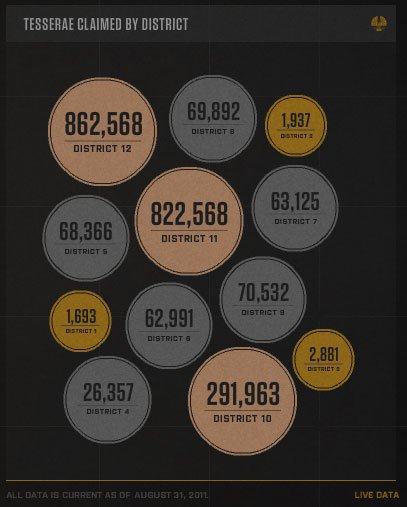
The tesserae in the Hunger Games are a system where a tribute can receive a year’s worth of grain and oil for their family in exchange for adding their name into the reaping an additional time.
Have you ever wondered about the deeper mechanics of the Hunger Games, beyond the arena battles? What is tesserae hunger games exactly and how does it affect the tributes’ fate? It is actually a disturbing system.
The concept involves a calculated trade. A family facing starvation can choose this deal, but it increases the chances of their child being selected. This highlights the desperation and difficult choices that exist in the districts of Panem.

What is Tesserae Hunger Games?
The Hunger Games, a story many of us know and maybe even love, is about a scary and unfair competition. But there’s a piece of the story that sometimes gets overlooked: the tesserae. So, what exactly is tesserae in the Hunger Games, and how does it play a role in the lives of the people in Panem? Let’s dive deep and find out!
Understanding Tesserae: Food in Exchange for Entries
Imagine being hungry. Really hungry. In the districts of Panem, many families struggle to find enough food to eat. The Capitol, the ruling power, offers something called “tesserae.” These aren’t coins or shiny tokens. Instead, they’re a small amount of grain and oil, enough to keep a person from starving. But there’s a catch. For every tesserae a person takes, their name is added to the reaping pool, the drawing that selects children to fight in the Hunger Games.
Think of it like this: it’s a deal with the devil. You get food now, which helps you survive, but you also increase your chance of being chosen for the Games. It’s a terrible choice to have to make, and it puts families in a very difficult position.
The Dire Need and The Trap
The system of tesserae is designed to keep the districts poor and dependent on the Capitol. Families often must make the heartbreaking decision to take tesserae, knowing they are putting their children’s lives at risk. The need to feed their families often outweighs the fear of the Hunger Games. This desperation highlights a major theme of the book: how unfair the Capitol’s rule is and how they make the districts suffer.
Many families, especially larger ones with multiple children, are almost forced to take tesserae to survive. They have to choose between starving and increasing their odds of a child being thrown into the arena. It’s a system that keeps them struggling and under the control of the Capitol.
The Impact on the Reaping
The reaping is the terrifying day each year when the tributes are chosen. The tesserae system significantly impacts this process. Each time someone takes a tesserae, their name goes into the drawing. If a child took tesserae for multiple years, their name could be in the pool many, many times. This greatly increases the chances of that child being chosen for the Hunger Games.
Let’s look at an example:
- Imagine a 12-year-old girl named Lily. Her family is very poor, and they need food badly.
- If Lily takes tesserae every year from the time she’s 12 to 18, her name will be in the reaping pool seven times each year.
- Even if she is chosen the first year, if she takes another tesserae she again will be in the reaping pool, and in that way her name will be in the pool multiple times.
- This means she is more likely to be chosen than a child who did not take any tesserae. It becomes a numbers game, and the more tesserae someone takes, the higher the chance they will face death in the arena.
How it Affects Different Age Groups
The effects of tesserae aren’t the same for all age groups. Younger kids who might not fully understand what’s at stake may have their names entered multiple times by their parents just to survive. Teenagers approaching the reaping age face the cruel reality of how many entries they have racked up over the years. They know that their chances of being chosen are getting higher each year.
For example:
- Children between 12 and 18 are eligible for the reaping.
- A 12-year-old who has never taken tesserae only has their name entered once, but a 12-year-old who has taken tesserae every year since age 7 may have their name entered up to six times. This shows how the system makes the poor children more likely to be sent into the games.
Katniss Everdeen and the Tesserae
Katniss Everdeen, the main character of the Hunger Games, is deeply affected by the tesserae system. As a young girl, her father died in a mine accident, leaving her mother unable to care for her family properly. This put her in charge of making sure her sister Prim and her mom didn’t starve. Katniss began to hunt illegally to provide food. This didn’t entirely solve the problem, so, as she grew older, Katniss made the difficult choice to start taking tesserae for her sister Prim.
This shows how a caring person like Katniss is put in the position to sacrifice her safety to make sure her family is not starving. She entered her name into the reaping pool so that her sister Prim could eat. This decision shows her courage and responsibility. Katniss and her family were trapped. Either they would not have enough food to survive or she would have increased her odds of going to the Hunger Games. This shows how horrible the Capital’s rules were.
Katniss’s Choice to Volunteer
In the first book, Katniss’s worst fear comes true when her younger sister Prim’s name is called during the reaping. In a shocking act of bravery, Katniss volunteers to take her sister’s place, becoming a tribute herself. This choice highlights how the desperation created by the tesserae system can push people to make extreme decisions. Katniss volunteers because she knew the odds for Prim to win were low, and she was already familiar with the fear of going into the Games.
Katniss’s act also shows a flaw in the system. The Capitol intended for the Hunger Games to be a form of control. But when people are pushed to their breaking points by injustice, they can find courage they didn’t know they had. Katniss’ decision is one of many sparks that help ignite the rebellion against the Capitol.
Tesserae: A Tool of Control
The tesserae system is not just about giving food to the hungry. It is a powerful tool used by the Capitol to control the districts. By making food scarce and forcing people to choose between starvation and increasing their chances of being chosen for the Games, the Capitol keeps the districts weak and dependent. The system is unfair and cruel.
Creating Desperation
The Capitol designed the tesserae system to create a sense of constant desperation and worry in the districts. The families must live in fear every day, knowing that the need to feed their children is putting them at risk. They have to make choices that no one should have to make. This creates a level of stress and sadness, which further limits their will to stand up against the Capitol. They are too busy trying to survive to resist.
Suppressing Rebellion
By keeping people focused on their daily survival, the Capitol makes it harder for the districts to organize and rebel. People who are hungry are less likely to fight for their rights. The tesserae system is a method to break down their community and their spirit. The Capitol wants to make sure that everyone’s only focus is to avoid hunger, not to fight for freedom. This helps keep them in control and in power.
Symbolism of the Tesserae
The tesserae isn’t just a plot device; it’s a symbol of the Capitol’s oppression. It shows the lengths the government goes to maintain its control and make life difficult for the districts. Let’s look at what the tesserae represents in the story:
- Sacrifice: Families sacrifice their children’s chances for survival for food.
- Inequality: It highlights the huge gap between the rich Capitol and the poor districts.
- Control: It shows how the Capitol uses fear and desperation to maintain control.
- Injustice: It’s a symbol of how unfair the Hunger Games is and how the people in the districts are always forced to make impossible decisions.
Beyond Just Food
The tesserae represents more than just hunger. It’s a sign of the injustice and brutality of the Capitol. It shows how the government controls and manipulates the people of Panem. It’s about making a choice that no one should ever have to make. It highlights how the Hunger Games is not just a competition but a tool of oppression. By taking tesserae, the families are giving up a piece of their freedom and potentially the lives of their children.
The word tesserae itself hints at its deeper meaning. In ancient times, a tesserae was a small tile used to create mosaics. In the Hunger Games, the individual tiles of food taken to survive are pieces in a larger, twisted system of control. It is a constant cycle of fear and need. This system is designed to keep the poor districts in their place.
The Tesserae in the Wider Story
The tesserae is not just a side detail in the Hunger Games. It is an essential part of the story and a critical element in building up to the rebellion. The desperate need for food makes Katniss an amazing hero, willing to do whatever it takes to save her family, even if it means putting herself in danger. Her actions challenge the Capitol and awaken something in the hearts of other people. Her courageous choice and the way the districts are suffering helps to turn the tide against the oppressive regime.
The tesserae and the way the Hunger Games are designed, is not just a competition but a tool of control. It’s a way to remind the people of the districts that the Capitol is in charge. This makes them feel powerless and gives them no hope. But Katniss’s strength and bravery helped to inspire others, and it eventually sparked a big rebellion.
So, now you know: tesserae is much more than just food. It’s a symbol of the Capitol’s cruelty, a means of control, and a driving force in the story of the Hunger Games. It is a symbol of sacrifice and oppression. It helped make Katniss a hero, and it became one of the biggest symbols of the entire book.
By understanding the purpose and effect of tesserae, we can better understand the heart of the Hunger Games story. It highlights the need for freedom, fairness, and to fight for what is right.
The choices and sacrifices people make under this unfair system is what makes the story of the Hunger Games so powerful and moving. The fight against the injustice that the Capitol was using is what makes this story unforgettable.
Why do the career tributes not use tesserae?
Final Thoughts
Tesserae in the Hunger Games are crucial. They represent additional entries into the reaping in exchange for a year’s worth of food rations. Children can trade food for increased chances of being chosen as a tribute. This creates a desperate system.
The system highlights the stark class differences in Panem. It forces the poor to risk their lives for survival. The desperate seek more provisions through these entries. This demonstrates the control of the Capitol.
‘What is tesserae hunger games’ then? It is a deadly bargain for sustenance, showing the Capitol’s cruelty and manipulation. The system essentially punishes need with a greater chance of death.

