
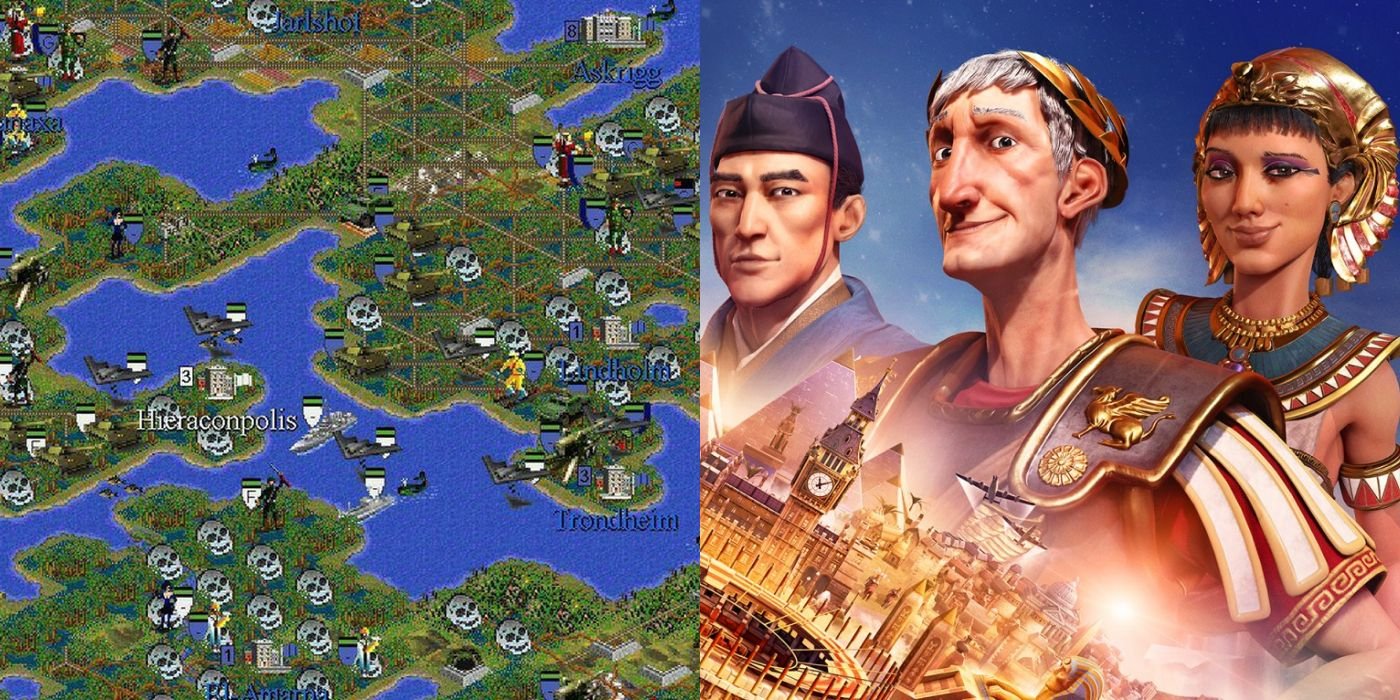
The best Sid Meier’s Civilization game is generally considered to be Civilization V, due to its combination of strategic depth, balanced gameplay, and engaging mechanics.
The question, what is the best Sid Meier’s Civilization game, ignites passionate debates among strategy fans. Each iteration brings new features and tweaks the classic formula, making it hard to choose a definitive favorite. We’ve seen empires rise and fall across various historical periods and we’ve enjoyed the complex decision making.
This article explores the top contenders and the reasons why some games stand out more than others. We delve into the gameplay, the features and the replayability of different titles in the series to understand the game mechanics and what made them great.

What is the Best Sid Meier’s Civilization Game?
Choosing the “best” Civilization game is like picking your favorite flavor of ice cream – everyone has their own reasons! It really depends on what you enjoy most in a strategy game. Some people love the detailed management of the older games, while others prefer the newer games with more streamlined features. Let’s take a journey through the series and see what makes each game special and help you figure out which one might be your personal favorite.
The Granddaddy: Civilization (1991)
We have to start at the beginning! The original Civilization, released way back in 1991, laid the groundwork for everything that followed. Think of it as the first block in a giant tower of strategy games. It introduced us to the idea of guiding a civilization from the ancient world all the way to the space age.
- Simple but Deep: While it might look basic compared to today’s games, it was incredibly complex and addictive for its time. You controlled everything from city production to diplomatic relations.
- The Tech Tree: The technology tree, a core element of the series, was born here. It let you guide your civilization through different eras, choosing the path to progress.
- A Classic Experience: Playing the original Civ today is like visiting a museum. It might not be the shiniest thing around, but you can see the roots of all the awesome stuff that came later.
This game established what a 4X game is; Explore, Expand, Exploit, and Exterminate. It was such a smash hit that it created an entire genre of strategy games. It’s a piece of gaming history.
Civilization II: Expanding the Empire (1996)
Five years later, Civilization II arrived, building upon everything the first game did. It added more complexity and made the game even more engaging. Think of it as adding extra layers of frosting on a cake.
Key Improvements in Civilization II:
- New Units and Technologies: More toys to play with! Civ II added more units and advancements, giving you more strategies to pursue.
- Improved Diplomacy: Negotiating with other civilizations became more interesting, with more ways to make allies and enemies.
- Better Graphics: The game looked better and had a more detailed world. While still pixelated by today’s standards, it was a big step up from the original.
- The Wonder Movies: When you finished building a Wonder, you got a cool little video showing it. These were cheesy but fun, adding to the game’s charm.
Many players still consider Civ II their favorite. Its balance between complexity and playability is something many people enjoy. It’s a game that rewards clever planning and smart choices.
Civilization III: The Age of Culture (2001)
Civilization III pushed the series forward by introducing culture as a major factor. Now it was not just about having the biggest army or the most advanced technology; it was also about having the most impressive civilization. Imagine building not just a powerful city, but a truly magnificent one.
What was Different about Civ III?
- Culture and Borders: The introduction of culture meant that your cities could influence nearby tiles. The stronger your culture, the bigger your borders.
- Special Resources: The game made resources a big deal, so you had to think about securing the most useful resources, like metals or gems.
- Great People: The game also introduced Great People, who could give your civilization special abilities or benefits. These were like mini-superheroes for your nation.
- More Control: Civ III gave you more control over your empire and introduced more options, but some felt the game became a little too complex compared to Civ II.
While some fans found this version a bit more complicated, others adored the depth and layers added to the gameplay. It really felt like you were molding a unique civilization with its own story.
Civilization IV: The Spiritual Successor (2005)
Many see Civilization IV as a high point in the series. This game polished existing gameplay concepts while introducing new mechanics that truly made the game something special. It was a beautiful balance between complexity and fun. Think of it as the game that really made Civilization a star.
What Made Civ IV So Good?
- Stacking Units and Combat: It introduced the “stack of doom”, where multiple units could occupy the same tile. This significantly changed the combat, adding a big element of strategy.
- Religion: Religion became a significant part of the game, impacting how your civilization developed. You could found your own religion and spread it around the world.
- Great People: Great people returned but were significantly expanded with more variety and special abilities. It made your decision on what type of great person to aim for a very important one.
- Beautiful Graphics and Music: Civ IV is known for its great visuals and fantastic soundtrack. It was engaging to look at and listen to.
- Modding Community: Civ IV is also very popular because of the vibrant community. Plenty of incredible mods are available that let you customize it to your liking.
For many, this is the game that they will compare all others to. It is praised by fans for its balance of strategy and fun, leading many players to spend countless hours playing it.
Civilization V: One Unit Per Tile (2010)
With Civilization V, the series made a major change: One Unit Per Tile (1UPT). This was a big departure from previous games and changed the core combat mechanics. It also streamlined many other parts of the game and made it more accessible to new players.
How Did Civ V Change Things?
- Hex Grid: The game moved from a square grid to a hex grid, which made movement more flexible and tactical.
- 1UPT Combat: One Unit Per Tile drastically altered battles. It made positioning very important.
- City-States: The game added City-States as neutral, smaller civilizations. You could befriend them to gain special bonuses.
- Simplified City Management: City management became less micromanagement, with fewer individual buildings to place. It made the game more manageable.
- Improved Interface: The game had a better and more accessible user interface. It was generally more intuitive.
Some players missed the complexity of previous games, but many welcomed the changes. The 1UPT system made battles much more tactical and engaging. Its accessibility also helped bring in a new generation of Civilization fans.
Civilization VI: Districts and Details (2016)
Civilization VI continued the push for accessibility while adding more layers of depth. The biggest change was the introduction of districts. Now, cities sprawled beyond their single tile. It made for interesting and complex city planning.
The New Features of Civ VI
- Districts: The game introduced city districts, where specific buildings were housed. This meant your cities spread out across the map instead of just on one tile.
- Civics Tree: It added a separate civic tree in addition to the technology tree. It allowed you to progress through the game in different ways.
- Agenda and Leaders: Each leader now had a hidden and a known agenda, making diplomacy more complex and interesting.
- Unstacked Units: With some exceptions, it got rid of the 1UPT system, giving you the opportunity to more varied units together.
- Improved Graphics: The game had a more stylized cartoonish aesthetic. Although controversial, many found it more appealing.
While some gamers found the new mechanics too complex or preferred the older titles, many others loved the new layers of gameplay that it added. It created new types of strategies and game play styles.
So, What is the Best Civilization Game?
The “best” Civilization game really depends on what you are looking for in a strategy game. Here is a simplified breakdown of what each game is known for:
| Game | Highlights | Best For Players Who Like… |
|---|---|---|
| Civilization (1991) | Groundbreaking, simple foundation of the series | Vintage gaming, seeing the roots of the series. |
| Civilization II (1996) | Expanded complexity, enjoyable gameplay. | Balance of complexity and fun, retro gaming. |
| Civilization III (2001) | Culture, resources, Great People. | Depth and layers, molding a unique civilization. |
| Civilization IV (2005) | “Stack of Doom”, religion, great all-rounder. | Strategic depth, polished gameplay, fantastic mod community. |
| Civilization V (2010) | 1UPT, City-States, accessibility. | More accessible tactical combat, simplified city management. |
| Civilization VI (2016) | Districts, Civics, hidden agendas. | Complex city planning, lots of strategic options, different leader types. |
Some prefer the old-school feel and complexities of Civilization II or Civilization IV. Others are more drawn to the newer games such as Civilization V or Civilization VI, with their streamlined features and more modern look.
There’s no single, correct answer. The best Civilization game for you is the one that provides you with the most enjoyment! Try out different titles in the series, and find what you like the most.
Ultimately, each Civilization game offers a unique experience. They each build upon the core ideas of the previous games while adding in new features. Choosing your favorite often comes down to personal taste, whether you prefer the classic feel of the early games or the more advanced mechanics of the newer installments. The amazing thing is that there is a Civilization title for nearly every type of strategy game fan.
Ranking EVERY Sid Meier's Civilization Game!
Final Thoughts
Ultimately, determining the best Sid Meier’s Civilization game remains subjective. Each title offers unique mechanics and historical contexts. Players often gravitate towards the version that best suits their preferred play style. However, for many, Civilization V provides an accessible entry point with depth.
Civilization VI introduces more complex systems, adding a modern appeal. Fan favorites always include the classic games like Civilization IV. Therefore, what is the best Sid Meier’s Civilization game really depends on individual preference. A player must consider their own values.

