
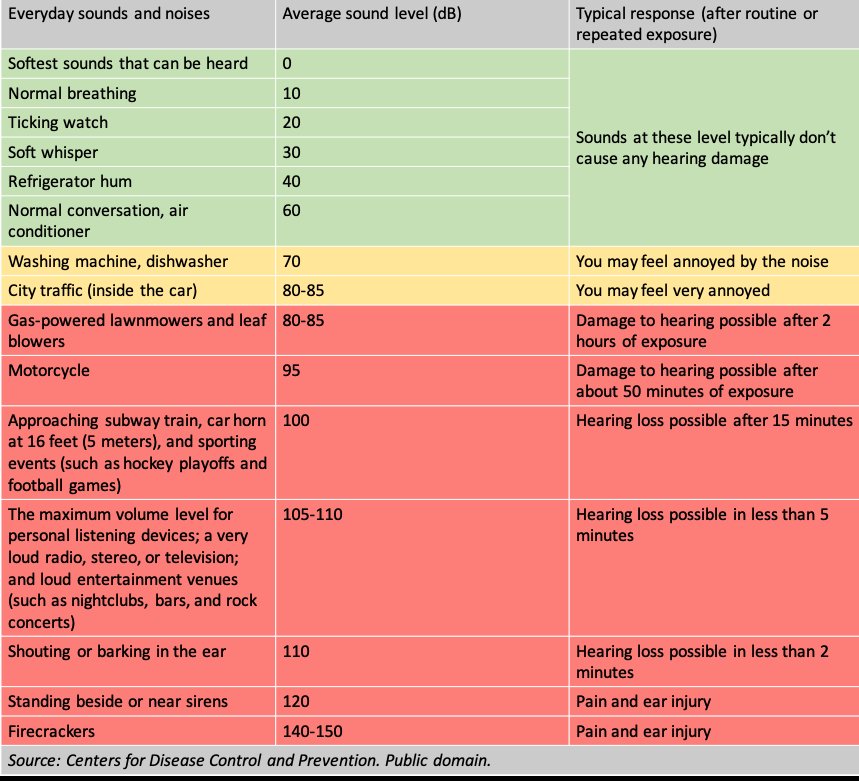
The decibel level of a football game typically ranges from 90 to 100 dB during normal play, but can peak at 120 dB or higher during particularly exciting moments.
Have you ever wondered just how loud it gets at a packed football stadium? It’s more than just cheering; it’s a roar! Many people question, what is the decibel level of a football game exactly?
The noise can actually reach levels that could potentially cause harm if prolonged. That intense energy really translates into some seriously high sound measurements. It is not just loud, it is an experience.

What is the Decibel Level of a Football Game?
Ever been to a football game and felt your chest vibrate with the roar of the crowd? That amazing feeling is partly because of how loud it can get! But have you ever wondered just how loud a football game actually is? We measure loudness in something called decibels (dB). Understanding decibels and the noise levels at a football game can help us appreciate the excitement and also be mindful of our hearing.
Understanding Decibels
Before we dive into the specific decibel levels of football games, let’s learn a little about what decibels are. Think of decibels like a scale for measuring how powerful a sound is. The higher the decibel number, the louder the sound. It’s important to understand that the decibel scale isn’t linear; it’s logarithmic. This means that an increase of 10 decibels represents a sound that’s about ten times more powerful. For example, 20 dB is ten times more powerful than 10 dB, and 30 dB is a hundred times more powerful than 10 dB!
Common Sound Levels as a Reference
To give you a better understanding, here are some common sounds and their typical decibel levels:
- Rustling Leaves: Around 20 dB – Very quiet
- Whispering: Around 30 dB – Still quiet, but you can hear it
- Normal Conversation: Around 60 dB – Easily audible and comfortable
- Busy Street Traffic: Around 80 dB – Noticeably louder
- Lawnmower: Around 90 dB – Getting quite loud; can damage hearing with prolonged exposure
- Ambulance Siren: Around 120 dB – Very loud and can be painful and damaging
- Jet Engine Taking Off: Around 140 dB – Extremely loud; can cause immediate and permanent damage
Typical Noise Levels at a Football Game
So, where do football games fall on this scale? The noise level at a football game can vary a lot depending on factors like the stadium size, the crowd’s enthusiasm, and even where you are sitting. Here’s a look at typical noise levels:
- Normal Game Day Noise: During a regular game with average excitement, the sound level often falls between 80 dB and 95 dB. This is similar to the sound of a lawnmower or a busy street, loud enough to be clearly noticeable.
- Excited Moments: When there’s a big play, a touchdown, or a game-changing event, the noise level can increase significantly. It’s not unusual to see levels jump up to 100 dB to 110 dB during these times.
- Record Breaking Noise Levels: Some of the loudest football games have even reached peak levels of 130 dB or higher! This is close to the sound of a jet engine and can be damaging to hearing, even in short bursts.
Factors Affecting Noise Levels
Several things can make a football game louder or quieter:
- Stadium Size and Design: Larger stadiums with enclosed designs tend to be louder than smaller, more open stadiums. The shape and materials of the stadium can also bounce sound waves around, making the overall noise level more intense.
- Crowd Size and Enthusiasm: The number of people in the stadium and how excited they are play a huge role. A full stadium with a hyped-up crowd will definitely be louder than a game with a smaller, more subdued audience.
- Game Importance: A big rivalry game or playoff game usually sees louder noise levels compared to a regular season game. The stakes are higher, and the emotions are more intense.
- Use of Noise-Making Devices: Things like air horns, drums, and even just cheering and stomping can add significantly to the noise.
The Danger of Loud Noises and Hearing Loss
Loud noises, especially prolonged exposure to sounds over 85 decibels, can cause permanent damage to your hearing. This damage is often gradual and may not be noticeable right away. Here are a few things to keep in mind:
- Temporary Threshold Shift (TTS): After being exposed to loud noise, you might notice a temporary change in your hearing, such as a ringing in your ears (tinnitus) or muffled hearing. This is often a sign that your ears have been under stress.
- Permanent Hearing Loss: Continued exposure to loud noise can damage the tiny hair cells in your inner ear that help you hear. Once these cells are damaged, they don’t grow back, leading to permanent hearing loss.
- Long Term Effects: Hearing damage can affect your ability to understand speech, especially in noisy environments, and can lead to other issues like trouble communicating and social isolation.
Protecting Your Hearing at a Football Game
Even though football games are fun, it’s important to protect your hearing! Here are a few ways you can do that:
Use Hearing Protection
Earplugs or earmuffs can help reduce the amount of noise that reaches your ears. They can be bought at most drugstores or online. There are several types, including disposable foam plugs and reusable silicone plugs. Some are even designed for specific noise reduction needs.
- Foam Earplugs: These are affordable and easy to use. Roll them up tightly and insert them into your ear canal. They expand to fit the shape of your ear.
- Reusable Earplugs: These come in various shapes and sizes, and you can clean them after use. Many feature different levels of noise reduction.
- Earmuffs: These fit over your ears and are good for blocking a wide range of sounds. They are often more comfortable for longer periods.
Take Breaks
Try to take breaks from the noise. Step away from the stadium for a few minutes, or find a quieter spot inside the venue. Even a few minutes of rest can help your ears recover.
Limit Your Time in Loud Areas
If you know that a certain part of the stadium is particularly loud, try not to stay there for too long. The closer you are to the crowd and the speakers, the louder it’s going to be.
Be Aware of Warning Signs
If you start to experience ringing in your ears, muffled hearing, or pain, it’s important to take action right away. Find a quiet place, or leave the stadium if necessary. Don’t ignore these warning signs because they are signals that your ears are telling you that the noise is too much.
High Profile Football Game Noise Levels
Certain football games, due to their prestige and intensity, have been noted for exceptionally high noise levels. Here are some notable examples:
- College Football Rivalry Games: Games like the Iron Bowl (Alabama vs. Auburn) and the Ohio State vs. Michigan game often reach peak noise levels exceeding 120 dB. The passion and rivalry fuel the intense atmosphere.
- NFL Playoff Games: Playoff games and Super Bowls routinely generate some of the loudest crowd noise, frequently exceeding 110 dB, as fan bases are highly engaged and on edge.
- “12th Man” of Seattle Seahawks: The Seattle Seahawks fans are known for their loud and supportive cheers, creating an environment where noise levels have been known to average between 100 and 110 dB, making it one of the loudest in the NFL.
- Other Notorious Loud Stadiums: Arrowhead Stadium (Kansas City Chiefs), Tiger Stadium (LSU), and Kyle Field (Texas A&M) are also well-known for creating exceptionally loud game environments.
These instances exemplify the level of enthusiasm and raw power of sound that can come from a large number of excited fans packed into a single space.
Measuring Decibels at a Game
So how do you actually measure the noise at a game? Professionals use special instruments called sound level meters to measure the sound pressure level in decibels. These devices pick up sound waves and convert them into a reading on a digital display. There are also smartphone apps that can estimate decibel levels but might not be as accurate as professional meters. Here are some key aspects of measuring decibels at an event:
- Sound Level Meters: These are calibrated devices that provide accurate measurements. They are used by sound engineers and researchers.
- A-Weighting: When measuring sound levels in environments that humans typically inhabit, an “A-weighting” filter is used. This filter adjusts the measurement to better match how the human ear perceives different frequencies. So, when you see decibel measurements referenced, they are usually in dBA.
- Data Recording: Sound level meters can record noise levels over time, which can show how the sound changes throughout the game. This is beneficial for getting a detailed understanding of the sound environment.
- Smartphone Apps: These apps are convenient for on the spot measurement and can provide estimations of noise levels. While not as accurate as professional meters, they can offer a general idea of the loudness.
Decibel Levels Impact on the Game
Did you know that the loud crowd noise at a football game can actually affect the players? The intense atmosphere can create a challenging environment, especially for the opposing team.
Impact on Players
- Communication Difficulties: It is very tough for players on the field to hear each other clearly. They rely on verbal cues and signals to execute their plays. The louder the noise, the harder it is for them to coordinate.
- Increased Penalties: Because players struggle to hear the play calls, there can be more false start penalties or miscommunication errors in offense. It is easier for defensive players to anticipate moves when there’s a communication failure on offense.
- Psychological Impact: The intense noise of a huge crowd can be very overwhelming. It can create a more challenging environment, and the away team could feel increased pressure to perform in front of thousands of opposing fans.
- Home Field Advantage: The home team benefits from the deafening sound and support of its fans. This creates an advantage, helping them to make fewer errors and perform with better confidence.
Impact on the Referees
- Communication Challenges: Referees need to communicate with each other on the field to make calls correctly. Loud crowd noise can make it difficult to exchange information and clarify situations.
- Misinterpretations: In the heat of a game, amidst all the noise, some calls might be slightly misinterpreted because of the difficulty of being heard.
All of these factors demonstrate how much noise impacts the flow and outcome of a game. It isn’t just something that the spectators experience; it has an impact on every person on the field, too.
The Future of Stadium Noise and Technology
As technology continues to advance, so will the ways we manage and experience noise at sporting events. There’s some interesting developments on the horizon:
- Improved Stadium Design: Architects are working on new stadium designs that will try to better manage sound levels while still encouraging a lively environment. The focus will be on creating a balance between exciting crowd noise and fan comfort.
- Noise-Cancelling Technologies: We may see more advanced noise-canceling technology at football games to help those with sensitive hearing. This can also improve the listening experience for those who need to focus on the game and broadcast commentary.
- Personal Noise Control: Smart devices that can offer personalized noise control, allowing each fan to adjust their sound experience according to their comfort level, may become available.
- Virtual Soundscapes: Augmented reality could provide fans with the ability to experience the game with adjusted audio levels or focus on specific parts of the stadium soundscape to make it more engaging for them.
- Real-time Noise Monitoring: Stadiums might implement real-time noise monitoring, letting officials take proactive action to manage dangerous sound levels and maintain a safe and enjoyable environment.
These innovations will have a huge impact on how we enjoy and appreciate the atmosphere of live sporting events in the future. As things progress, we’ll be able to maintain an exciting environment while still paying attention to the health and well-being of everyone present.
So, the next time you’re at a football game, remember all about those decibels and how they create the incredible experience! Now that you’ve learned about how loud a football game can be, you can be better prepared and look after your hearing. Enjoy the game!
The Day Arrowhead Stadium was too Loud for John Elway
Final Thoughts
The noise at a football game varies, but it often reaches levels between 90 and 100 decibels. Peak moments, like touchdowns or crucial plays, can push it even higher. These levels can be quite intense, potentially causing discomfort if prolonged exposure occurs.
What is the decibel level of a football game? It typically falls within a range that can impact hearing sensitivity over time. Consistent exposure to such noise warrants ear protection particularly for avid fans.

