
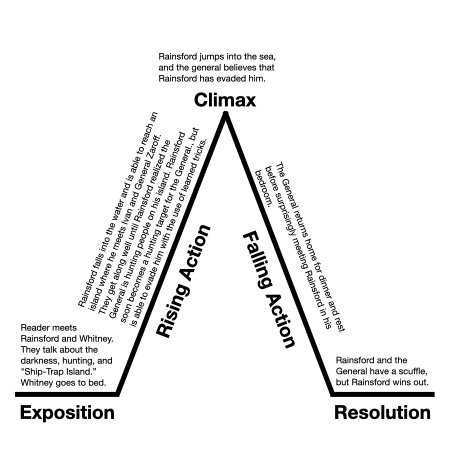
The exposition in “The Most Dangerous Game” introduces the setting as a remote, mysterious island and establishes the main character, Rainsford, as a skilled hunter.
Ever wondered what makes a story truly gripping right from the start? Knowing what is the exposition in the most dangerous game provides essential insight into how this classic tale hooks readers instantly.
The initial scenes on the yacht, followed by Rainsford falling into the sea and arriving at Ship-Trap Island, effectively set the stage for the terrifying events to come. This early information is crucial for understanding the plot.

What is the Exposition in “The Most Dangerous Game”?
Let’s dive into the thrilling world of Richard Connell’s “The Most Dangerous Game” and explore its exposition. Now, when we talk about exposition in a story, we’re really talking about the beginning. It’s like the opening scene of a play or the first few pages of a book – it sets the stage for everything that’s about to happen. The exposition introduces us to the characters, the setting, and sometimes even a hint of the conflict that will drive the plot. In “The Most Dangerous Game,” the exposition is carefully crafted to draw us into the dangerous and exciting world of Ship-Trap Island. Let’s break it down, piece by piece, to really understand what makes this part of the story so important.
Introducing the Characters
At the start of our adventure, we meet two main characters: Sanger Rainsford and his friend, Whitney. Rainsford is a celebrated big-game hunter, confident and skilled. Whitney, on the other hand, has a more imaginative and slightly superstitious nature. These early conversations reveal important differences in their personalities. We know Rainsford values reason and logic, seeing animals as prey to be hunted. Whitney expresses concerns about the “feel” of the island, hinting at something unsettling. This contrast is important because it sets the stage for the transformation Rainsford will undergo.
Think about the way they talk:
Rainsford: He’s practical and focused on the hunt. His language is direct, and he considers hunting to be a sport.
Whitney: He is more thoughtful and sensitive. He expresses a sense of unease about the island, introducing an element of the mysterious and supernatural.
Their contrasting views provide a glimpse into the bigger question the story will explore: What are the ethics of hunting and the relationship between hunter and hunted? We learn quickly that these aren’t just two guys chatting on a boat; they represent different ways of seeing the world, a theme that becomes crucial later on.
Setting the Scene: The Mysterious Ship-Trap Island
The setting of a story is like its backdrop, and in “The Most Dangerous Game,” the setting is not just a place; it’s almost a character itself. Ship-Trap Island is described as a dark, menacing, and isolated place. The name itself suggests danger. The island is shrouded in mystery and superstition, a place where ships are said to disappear. Here’s what the setting tells us:
Isolation: Being far from civilization means there’s no help available and creates a sense of vulnerability.
Menace: The name “Ship-Trap” suggests a deliberate danger, hinting that this is no ordinary island.
Superstition: Locals have a fear of the island, and this fear adds to the overall sense of dread and anticipation.
The descriptions of the island are crucial because they create a feeling of unease right from the start. The dark, brooding atmosphere acts as a warning, preparing us for the sinister events that are about to occur. The author’s careful words make us feel the same sense of unease as Whitney, preparing us for the more intense feelings of fear Rainsford will later experience.
Details About the Island
Connell doesn’t just say the island is scary; he shows it to us with vivid descriptions:
“Blood-warm waters”: This phrase creates an image of danger and unease.
“Dense jungle”: This suggests an environment where it would be easy to get lost and where dangers could be lurking.
“Jagged rocks”: These imply the possibility of shipwrecks, reinforcing the dangerous nature of the place.
These details aren’t just there for show. They each contribute to building the island into a place that feels genuinely treacherous. The setting is integral to creating suspense and sets a stage where anything can, and will, happen.
Establishing the Initial Conflict
Although the main conflict, Rainsford vs. Zaroff, hasn’t fully materialized during the beginning, the exposition does lay the groundwork for it. Through the dialogue between Rainsford and Whitney, we get a glimpse into Rainsford’s perspective on hunting. He sees it as a sport, a game where he is the master and the animals are merely objects. This mindset is the basis for the story’s thematic conflict – the reversal of roles. The fact that Whitney can see the perspective of the animal is a sign that they can feel pain and terror is important, as this idea will later be brought to Rainsford’s attention when he becomes the hunted.
Think about the themes being introduced:
Hunter vs. Hunted: This is the most obvious conflict, but the exposition shows Rainsford as a confident hunter.
Reason vs. Instinct: Rainsford represents reason, while the island embodies the unknown and the instinctive.
Morality of Hunting: The story subtly asks: Is it okay to hunt just because you can?
These underlying conflicts are set up early on so that the reader can begin to question their own understanding of right and wrong. By presenting Rainsford as initially unconcerned with the ethics of his actions, the author makes his later transformation all the more striking.
Foreshadowing the Danger
The exposition also gives us clues about the dangers to come. These hints, or foreshadowing, are subtle but build anticipation and suspense.
Here are a few examples of foreshadowing:
Whitney’s unease: His talk about the island and the feeling of evil suggests something is wrong.
The sound of gunshots: This is the first hint that there is hunting on the island, but we don’t know who or what is being hunted, creating mystery and intrigue.
The name “Ship-Trap Island”: The name itself hints that danger is waiting and not just ordinary danger, but danger of the kind that is set up like a trap.
These subtle clues aren’t just throwaway lines; they’re carefully placed to get us thinking about the nature of the threat facing Rainsford. Connell knows how to build suspense, and the exposition is where he plants those crucial seeds of doubt and fear.
The Significance of the Yacht’s Fall
When Rainsford falls from the yacht, it is more than just an accident. It is a turning point in the story. Rainsford’s fall is an important part of the exposition that pushes the story forward. His fall represents the transition from the world he knows, where he is the hunter, to a new, dangerous world where he will become the hunted. It’s the catalyst that brings him to Ship-Trap Island, setting the stage for the main conflict of the story. This event isn’t just a random occurrence. It’s the way the author gets Rainsford into his trap and sets up the events that follow.
The Purpose of the Exposition
The exposition of “The Most Dangerous Game” isn’t just a collection of facts; it serves specific purposes:
Sets the Stage: It introduces characters, setting, and initial conflict, which are the fundamental building blocks of the story.
Builds Suspense: Through foreshadowing, it creates an atmosphere of unease and anticipation.
Introduces Themes: It touches upon key themes like the ethics of hunting, the nature of man, and the struggle for survival.
Draws the Reader In: By creating a sense of mystery and danger, the exposition captures our attention.
Provides Background: The conversation between Rainsford and Whitney provides important details that help us understand the world of the story and Rainsford’s character before he undergoes a change.
Without a strong exposition, a story can fall flat. But in “The Most Dangerous Game,” the exposition is so skillfully done that it allows us to be fully immersed in the dangerous world of Ship-Trap Island. It prepares us for the events to come and allows us to understand and feel the weight of the decisions and the situations that will unfold.
Exposition and its Contribution to the Overall Story
In summary, the exposition in “The Most Dangerous Game” is not just a static introduction; it is a dynamic beginning that carefully sets up all the elements that make the story so compelling. Let’s look at how these elements combine:
Character Development: We are introduced to Rainsford as a hunter and this is important to his later growth and his understanding of the animal in hunted position.
Setting as a Character: The ominous Ship-Trap Island is more than just a location; it creates an atmosphere that is almost palpable.
Conflict Introduction: The seeds of the story’s main conflict are planted in the conversations that take place, giving us an idea of the challenges ahead.
Foreshadowing: These subtle hints build tension and prepare us for the terrifying events that await.
Each of these points is vital to creating a story that keeps us engaged. The exposition’s success is not about providing information. Rather, its success lies in the way it prepares us emotionally for the events that will unfold. It’s the launchpad for the thrilling and suspenseful journey that makes “The Most Dangerous Game” a classic.
The skillful crafting of the exposition lays the groundwork for a compelling story that keeps readers on the edge of their seats, and helps solidify “The Most Dangerous Game” as a story that remains captivating even after numerous reads. The initial encounter between Rainsford and Whitney, the descriptions of Ship-Trap Island, and the subtle hints of the danger to come, all play a pivotal role in making the story so memorable. And so we proceed into the main story, fully aware that Rainsford is not just any hunter, and this is not just any island, and we will not just be entertained by an adventure, but our very moral codes will also be questioned. This is how effective the exposition is in this story.
The Most Dangerous Game Summary, Lessons, and Analysis
Final Thoughts
The exposition in “The Most Dangerous Game” introduces Sanger Rainsford, a celebrated hunter, and his journey to Ship-Trap Island. We learn he is travelling by yacht. This must establish the story’s setting and Rainsford’s initial arrogance regarding hunting.
The initial conversation regarding hunting further develops the theme. This quickly leads to the crucial moment of him falling into the sea. The exposition sets the stage for the intense survival game.
Ultimately, what is the exposition in the most dangerous game? It provides the foundation for the thrilling conflict that follows.

