
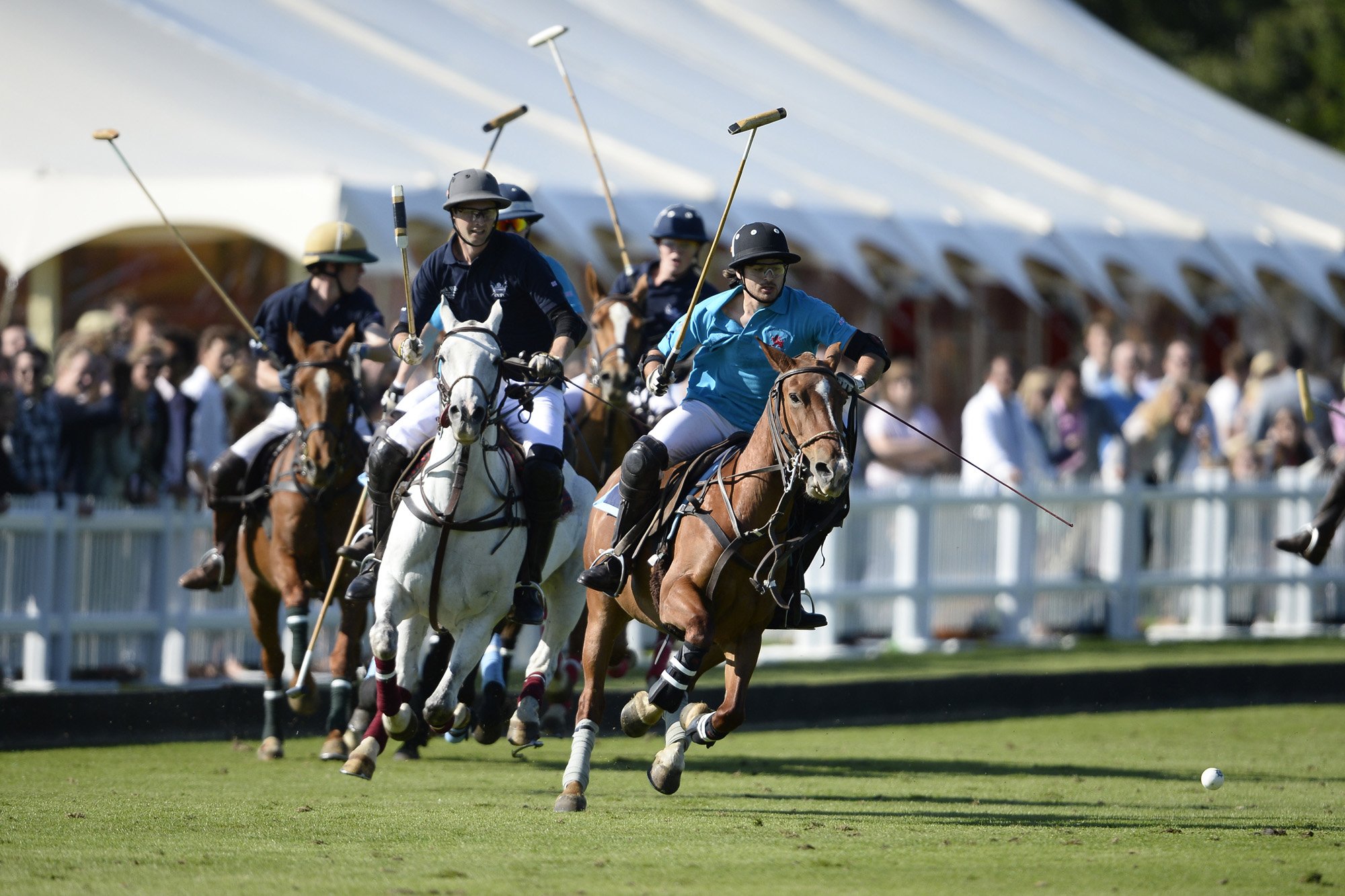
Polo is a team sport played on horseback, where players use mallets to hit a small ball through the opposing team’s goal.
Ever wondered about that sport you sometimes see with horses and mallets? Well, let’s explore what is the game polo. It’s a fast-paced team activity, often described as hockey on horseback. The objective is to score goals by driving a ball through your opponent’s posts.
Teams of four riders each skillfully maneuver their horses across a large field. They use long mallets to hit the ball with impressive precision and power. It’s a test of both horsemanship and strategic gameplay.

What is the Game Polo?
Have you ever seen horses galloping across a field with riders swinging mallets? That’s probably polo! It’s a fast-paced team sport played on horseback. Imagine hockey or soccer, but instead of your feet, you’re using a horse and a long stick to hit a ball. It’s exciting, it’s skillful, and it has a really long history. Let’s dive into what makes this sport so fascinating.
The Basics of Polo
At its heart, polo is a team sport where two teams of four players each try to score by hitting a small, hard ball through the opposing team’s goal posts. The game is played on a large grass field, which is usually about the size of nine football fields. That means lots of room for galloping and maneuvering!
Think of it like this: each player is like a highly skilled athlete on horseback. They need to be good riders, have good hand-eye coordination, and understand the game’s rules and strategy. They also need to work as a team with their fellow players and their horses. It’s a sport that blends athleticism, strategy, and horsemanship into an exciting package.
The Field of Play
The polo field is a large, rectangular area of grass, that measures approximately 300 yards long by 160 yards wide. The field is marked with sidelines and backlines. At each end, there are goal posts, which are usually eight yards apart. These posts are what players aim to hit the ball between, just like in soccer or hockey.
The playing surface needs to be very well maintained to ensure the safety of the players and horses. Regular mowing and leveling are must-do before any polo match. The size of the field adds another level of challenge, as players need to cover the ground rapidly.
The Equipment
Polo players use special equipment. Let’s look at what they need:
- Mallet: This is a long, flexible stick with a hammer-shaped head that they use to hit the ball. The mallet head is typically made from wood. Players use their mallet on the right side of their horse for striking the ball, though left handed mallets can be used as well.
- Ball: A small, hard ball made of plastic. Traditionally, polo balls were made from bamboo root or willow, but they’ve evolved for better play and safety.
- Helmet: Players must wear helmets to protect their heads, similar to riding helmets but designed to withstand the impact of the ball and possible falls from the horse.
- Boots and Breeches: They wear riding boots and breeches (special riding pants) that allow them to move comfortably and safely on their horses.
- Knee Guards & Gloves: Many players also wear knee guards and gloves for extra protection.
The Horses of Polo
The horses in polo, known as “polo ponies”, are actually not ponies at all! They are usually full-sized horses, often Thoroughbreds or mixed breeds with the speed and agility needed for the sport. They need a lot of training to become polo horses. They need to be quick, agile, and comfortable with the constant turning and stopping that polo requires. A well-trained polo pony will respond to its rider’s cues almost instantly. They are an essential component of the sport.
Players often have a string of horses, which means they have multiple horses available to play during a game. This allows them to swap horses between periods, or chukkas, so their horses do not tire out too quickly. A horse will play for no more than one or two chukkas in a game, to ensure their well being. The bond between the player and their horse is very important in polo, it takes time, experience, and lots of work to become a great polo player and to have a top level horse.
How a Polo Match Works
Polo matches are divided into periods called “chukkers.” A typical polo game consists of four to six chukkers, each lasting seven minutes. There is also a 30 seconds grace period, and a 30 second timeout. If a player or horse is injured, they are immediately removed from the game so medical aid can be provided. The clock stops when the ball is out of bounds or there is a penalty.
After each chukker, there is a short break where players often change horses. This allows the horses to rest and ensures they’re fresh for the next chukker. In between the third and fourth chukkers, there is a longer break.
The Role of Players
Each of the four players on a polo team has a specific role. They are usually numbered from 1 to 4, and their positions are:
- Number 1: This player is typically the main attacking player. They focus on scoring goals and are positioned closest to the opposing team’s goal.
- Number 2: This player is another attacker, but they also work to support the Number 1. They help in scoring and also take an active role in defence.
- Number 3: Often seen as the playmaker. This player controls the play in the middle of the field. They may make offensive plays, as well as defend, and support their teammates.
- Number 4: This is the primary defensive player who works to prevent the opposing team from scoring. This position is also called “back”.
Although they have specific positions, it’s common to see players move around the field, depending on the flow of play. Teamwork and communication are important to move effectively up and down the field.
Scoring Goals
The main aim of the game is to score goals. A goal is scored each time the ball passes between the two goalposts. The team with the most goals at the end of the match is the winner. It might sound simple, but it takes lots of coordination, strategy, and skill. Players need to be able to not only ride, but also think about their team’s strategy and play.
The Rules of Polo
Polo, like any sport, has specific rules. Here are some important ones:
- Right of Way: A key rule is the “right of way,” which is determined by the line of the ball. Players cannot cross the line of an opponent who is in line with the ball without running the risk of a foul, this is called “crossing”. This rule prevents players from colliding with each other while riding and striking the ball.
- Hooking: A player can hook another player’s mallet, as long as they are on the same side of the horse. This means a player cannot hook across the horse’s body. The hooking rule keeps players from hitting each other or the horses.
- Penalties: If a player commits a foul, the opposing team is awarded a penalty, which could include a free hit at the ball or a move-up in the field. Penalties are very common in Polo and are often awarded on almost every play in the game.
- Safety: Safety is very important in polo, both for the riders and the horses. If a horse falls, the game stops immediately to ensure the rider and the horse are safe. Riders must avoid unsafe or reckless actions that can cause harm.
The Handicap System
Polo uses a handicap system which is a rating of the players level, so that players of various skill levels can compete with each other. The handicap ranges from -2 (for beginners) to 10 (for the very best players in the world). Team handicaps are calculated by adding up each player’s handicap, the team with the higher handicap is given a set number of goals for their game, to even out the playing field. So, two teams may not have the same number of goals at the start of a game, but will have equalized playing strength.
The History of Polo
Polo is one of the oldest known team sports. It was first played in Persia, modern-day Iran, over 2,500 years ago. It was primarily a training sport for cavalry units, and helped build the horsemanship skills of the soldiers. From there, it spread across Asia and eventually to the rest of the world.
Over the centuries, Polo became a popular sport among royalty and nobility, and was called “the sport of Kings”. The modern version of polo is mostly based on the British version, who adopted the sport in the 19th Century. The sport came to the Americas in the late 1800’s, and has remained a popular sport, and is played around the world.
Why is Polo So Popular?
Polo is not just a game, it’s a unique combination of speed, skill, teamwork, and connection with a horse. Here are a few reasons why it remains popular today:
- Excitement: The fast-paced nature of the game, with horses galloping and players swinging mallets, makes it an exciting sport to watch. The constant movement and quick changes in direction keep everyone on the edge of their seats.
- Skill and Technique: It’s not just about riding a horse; players need to have great horsemanship skills, as well as hand-eye coordination and strategic thinking. It takes years of dedication and practice to become a high goal polo player.
- Teamwork: Polo is very much a team sport, where communication and cooperation between players are key to success. Players need to depend on their teammates and horses, and move up and down the field as a unit.
- Tradition and History: The sport has a rich history that goes back thousands of years. There is a real connection to tradition, and this is part of why the sport is so beloved by many.
- Unique Spectacle: Polo is a very unique sport to watch, it’s more than just a game, it’s often a social event. The sight of horses racing across the field, and the skill of the players make it a memorable experience.
Getting Involved in Polo
Interested in getting involved with polo? Here are a few ways you can:
- Learn to Ride: Basic riding skills are the first step to playing polo. Take some lessons from a professional.
- Find a Polo Club: There are polo clubs in many parts of the world that offer lessons and opportunities to play.
- Watch a Match: Start by watching a match or two, to better understand the flow of the game, and see how it is played in real life.
- Volunteer: Many polo clubs often have opportunities to volunteer, which is a great way to learn about the sport.
Polo might seem complicated at first, but it can be a really fun and rewarding sport. Whether you’re playing or just watching, the action is sure to captivate you. It has a unique combination of history, skill, and athleticism that is like no other sport.
Polo is more than just a game, it’s a way of life for many people around the world. The connection between the player, their horse and their teammates, and the thrill of the match, are what makes this sport so special. From its ancient roots to its modern popularity, polo is a game that continues to fascinate and excite people of all ages.
The Rules of Polo – EXPLAINED!
Final Thoughts
Polo is a team sport played on horseback. Players use long-handled mallets to hit a small ball through goalposts. It combines horsemanship and strategic gameplay.
The objective involves scoring more goals than the opposing team. This fast-paced game requires skill and coordination from both riders and their horses. What is the game polo? It’s a challenging and exciting sport.

