
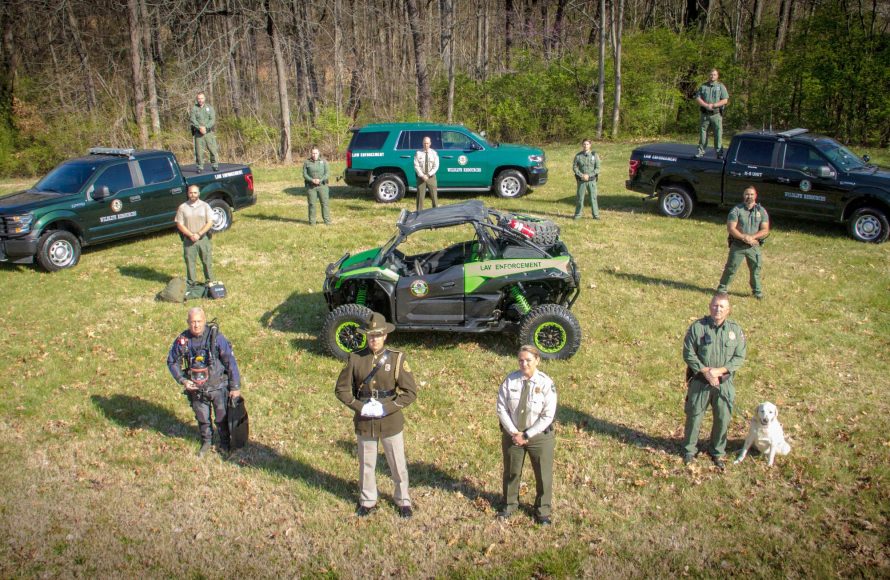
To become a game warden in TN, you must meet specific requirements including age, education, and physical fitness standards, and then successfully complete training at the Tennessee Wildlife Resources Agency academy.
Ever dreamt of protecting Tennessee’s natural resources? The path to becoming a game warden in TN is rewarding but requires dedication. This article will guide you through the steps to achieve your goal.
It involves meeting certain eligibility criteria, completing rigorous training, and demonstrating a passion for conservation. Learning the process is the first step for anyone seriously asking how to become a game warden in TN. We’ll break down the necessary qualifications and training requirements in this guide.

How to Become a Game Warden in TN
So, you’re dreaming of a career protecting Tennessee’s beautiful wildlife and wild places? Becoming a game warden, also known as a wildlife officer, is an amazing path for people who love the outdoors and want to make a difference. It’s not just about chasing poachers, although that’s part of it! Game wardens do lots of different things, from educating the public about conservation to helping rescue injured animals. This article will walk you through everything you need to know about how to become a game warden in TN.
Understanding the Role of a Game Warden
Before we dive into the steps, let’s explore what a game warden actually does. These dedicated individuals are the face of wildlife conservation in Tennessee. They work for the Tennessee Wildlife Resources Agency (TWRA), and their responsibilities are wide-ranging. Think of them as the guardians of Tennessee’s natural treasures.
Key Responsibilities of a Tennessee Game Warden
- Enforcing Hunting and Fishing Laws: This is probably what most people think of first. Game wardens make sure that hunters and anglers follow the rules, such as having the proper licenses, hunting during legal seasons, and using approved methods. They patrol areas, check licenses, and investigate violations. This includes understanding Tennessee hunting regulations and fishing rules.
- Protecting Wildlife: They actively work to protect wildlife from harm, including preventing poaching and illegal trading of animals. This can involve tracking animals, monitoring populations, and investigating reports of illegal activity.
- Public Education: A huge part of the job is educating the public about wildlife and conservation. Game wardens give presentations to schools, community groups, and at outdoor events. They teach people about responsible hunting, fishing, and wildlife viewing. They help people understand why conservation matters.
- Habitat Management: Game wardens sometimes assist in managing wildlife habitats. This might mean working with landowners to create better living spaces for animals or helping with habitat restoration projects.
- Search and Rescue: Because they often work in remote areas, game wardens can be called upon to assist in search and rescue operations. They are trained in first aid and survival skills, making them valuable during emergencies in the outdoors.
- Community Engagement: Game wardens build positive relationships with the community. They work with local groups, answer questions from the public, and act as a resource for people who want to learn more about wildlife. They are not only law enforcement but also public servants and educators.
As you can see, the job is much more than just catching lawbreakers! It’s about protecting our natural resources for everyone to enjoy now and for future generations.
Meeting the Minimum Requirements
Before you can even apply to be a Tennessee game warden, you need to meet some basic criteria. These requirements are there to ensure that the people who take on this important role are capable, responsible, and dedicated.
Age and Education
To start, you must be at least 21 years old. This shows you have a certain level of maturity. You also need to have a bachelor’s degree from an accredited college or university. This could be in any field, but degrees in wildlife management, biology, criminal justice, or a related field are preferred and can give you a good head start. While a bachelor’s degree is currently required by TWRA, you should always check the official TWRA website for the most up-to-date educational requirements, as these can change.
Driver’s License and Citizenship
You must have a valid Tennessee driver’s license, as you’ll be driving vehicles (including trucks, ATVs, and boats) to travel to different locations. You also need to be a U.S. citizen. These things are necessary to legally perform the duties of a law enforcement officer in the state.
Background Check
You will have a thorough background check. This includes things like past criminal history, employment history, and personal references. They need to ensure you have a clean record and good character. The work of a game warden requires a high degree of integrity and ethical behavior, and the background check is an important part of this process.
Physical Fitness and Health
Being a game warden is a physically demanding job. You’ll be spending time outdoors in all sorts of weather, sometimes walking long distances over rough terrain. You’ll need to be in good physical condition, and pass a physical fitness test. You will also have a medical evaluation to be sure that you’re healthy enough to do the work.
Here’s a summary of minimum qualifications:
| Requirement | Details |
|---|---|
| Age | Minimum of 21 years old |
| Education | Bachelor’s Degree from an accredited university |
| License | Valid Tennessee Driver’s License |
| Citizenship | U.S. Citizen |
| Background | Clean criminal background |
| Physical Fitness | Pass a physical fitness test and medical exam |
The Application Process
Okay, so you meet the minimum requirements – great! Now let’s talk about the application process to become a Tennessee game warden. This is not a short process, it needs some effort and time. The application process usually goes through a few different steps.
Finding Openings
First, you need to keep an eye out for job openings. The TWRA posts vacancies on the state’s official job website, the Department of Human Resources (DOHR) website, and on their own website. Sometimes it is announced on other job boards too. You can set up notifications to be alerted when a new wildlife officer position is posted. Keep a regular check on these websites, and don’t delay when you see an opening, as they can fill up fast.
Submitting Your Application
When you find a posting, make sure to carefully read the instructions. Usually, you’ll need to complete an online application. This is your first chance to make a good impression. Be detailed and accurate, and double-check for any spelling or grammar errors. Make sure you have all the documentation they ask for like your college transcripts, and your driver’s license ready. A well-prepared application shows that you care about the role.
Initial Testing
Once your application is in, you might need to take an initial aptitude test. This could test things like basic reading comprehension, math skills, and problem-solving abilities. It’s a good idea to brush up on these areas. This test helps them to find people who have the core abilities for this career.
Interview and Assessment
If your initial test scores are good, you’ll be called for an interview. This interview could be with a panel of people from TWRA. Be ready to talk about your passion for the outdoors, your commitment to wildlife conservation, and any relevant experience you have. The interviewers want to see that you are serious, responsible, and have a genuine interest in this work. You may also participate in an assessment that evaluates your skills and personality traits.
Background Investigation
Next, comes the thorough background investigation we talked about earlier. This can take some time, as they contact previous employers, neighbors, and people who know you. Be honest and upfront about anything that might come up in your past. Honesty will be respected. The aim is to verify that you are of the character and integrity that this job requires.
Physical and Medical Evaluations
After the background checks, and depending on the process at the time, you will be asked to do a physical fitness test. This tests your strength, endurance, and overall fitness. If you are in good physical condition, it will be an easy test for you to pass. If you’re not in the best condition, you have time to start getting ready for it. You will also be asked to take a medical examination to confirm that you can do the job’s physical demands.
Psychological Evaluation
The last step usually involves a psychological evaluation. This makes sure that you are mentally suitable to handle the stress and responsibilities of the job. It also ensures you are able to make decisions in difficult situations. It can often be stressful to perform law enforcement work and to deal with the pressure of it.
Training Academy
If you make it through all of the above, congratulations! You’ve been offered a position and will join the Tennessee Wildlife Resource Agency training academy. The TWRA training academy is a place where you will learn all the skills and information to do your job as a game warden successfully. The length of the academy can vary, so it’s best to confirm the training time period on the TWRA website. The training will be challenging, but it’s also very rewarding.
Law Enforcement Training
At the academy, you will receive comprehensive training in law enforcement. You’ll learn about the laws and regulations that govern wildlife management in Tennessee. They will teach you how to properly enforce these laws, how to investigate violations, and how to testify in court. This training is designed to make you a confident law officer and a wildlife expert.
Wildlife and Conservation Education
You’ll gain in-depth knowledge about Tennessee’s diverse wildlife populations and the habitats they depend on. You’ll learn about animal biology, ecology, and conservation practices. You will also be taught how to educate the public about the importance of protecting these resources. You’ll become knowledgeable about all the amazing wildlife that calls Tennessee home.
Firearms and Self-Defense Training
You will be trained on how to use firearms safely and effectively. You’ll learn how to handle a variety of weapons that game wardens use. You’ll also learn self-defense techniques to protect yourself during dangerous situations. These trainings are important, as game wardens sometimes deal with risky scenarios, so they should be ready.
Physical Fitness and Survival Skills
The training academy continues to emphasize physical fitness. They push you to perform at your best, and they make sure you are ready for the challenges that a wildlife officer faces. You will also learn survival skills, first aid, and map reading. These are all essential for working in outdoor environments.
Water Safety Training
Since Tennessee has so many lakes and rivers, water safety training is an important part of the academy. You’ll learn how to operate boats safely, how to rescue people in the water, and how to patrol waterways. You’ll need to be comfortable around the water, and ready to assist if needed.
Probationary Period and Continued Learning
After you graduate from the academy, you’ll usually enter a probationary period. This is a chance for you to work in the field, gain experience, and be mentored by seasoned wildlife officers. You will start to put your education and your training into practice. You’ll work directly with members of the public and wildlife management professionals. Don’t worry if you still have questions. Probation is a great time to ask, observe, and learn from your experienced co-workers.
Mentorship and Field Experience
During your probationary period, you’ll be assigned a mentor. This experienced wildlife officer will guide you, help you hone your skills, and give you valuable advice. This hands-on experience will be crucial in your development as a game warden. You will learn from real-world situations, and not just from a book or a lecture.
Ongoing Training and Development
Being a wildlife officer is all about learning. Even after the probationary period, you will participate in ongoing training sessions. These could be about new wildlife management strategies, changes to laws, or new techniques for law enforcement. This ongoing commitment to professional development ensures that you stay current and keep improving.
Career Advancement
Becoming a Tennessee game warden is not the end of your journey, it’s the start! The TWRA gives good opportunity for career advancement and growth. With experience, you can work your way up through the ranks.
Specialized Roles
As you progress, you could choose to specialize in different areas, such as wildlife forensics, investigations, or training. If you are interested in the research aspects of wildlife management, you could take an investigative role. If you enjoy sharing your knowledge, you could work as a training officer. The choices will depend on your interests and aptitudes.
Leadership Positions
With more experience, you could move into leadership roles, such as field supervisor or regional captain. This means that you would guide other officers and have a wider effect on wildlife management policy. You might manage a team of officers, or oversee a larger region. Leadership roles provide an opportunity to shape the future of wildlife conservation in Tennessee.
Continuing Education
The TWRA encourages you to pursue further education and certifications. These will make you an asset to the agency. With these trainings and certifications, you will be considered a highly educated and experienced wildlife officer, which is great for your job outlook.
So, are you ready to embark on this amazing journey? Becoming a game warden in Tennessee is a challenging but very rewarding career. It is for people with a deep love for nature, a dedication to conservation, and a desire to protect the natural treasures of Tennessee. If you have the passion, commitment, and work ethic, then this could be the perfect career for you.
How to Become a Game Warden in Tennessee
Final Thoughts
To become a game warden in TN, you must first meet specific age and educational requirements. Passing the necessary written and physical tests is crucial. Successful candidates attend training at the Tennessee Law Enforcement Training Academy.
Completing the academy program is necessary before starting field training with an experienced officer. Candidates also undergo a thorough background check. Understanding ‘how to become a game warden in TN’ means committing to a demanding career path.
Finally, this process includes an interview.

