
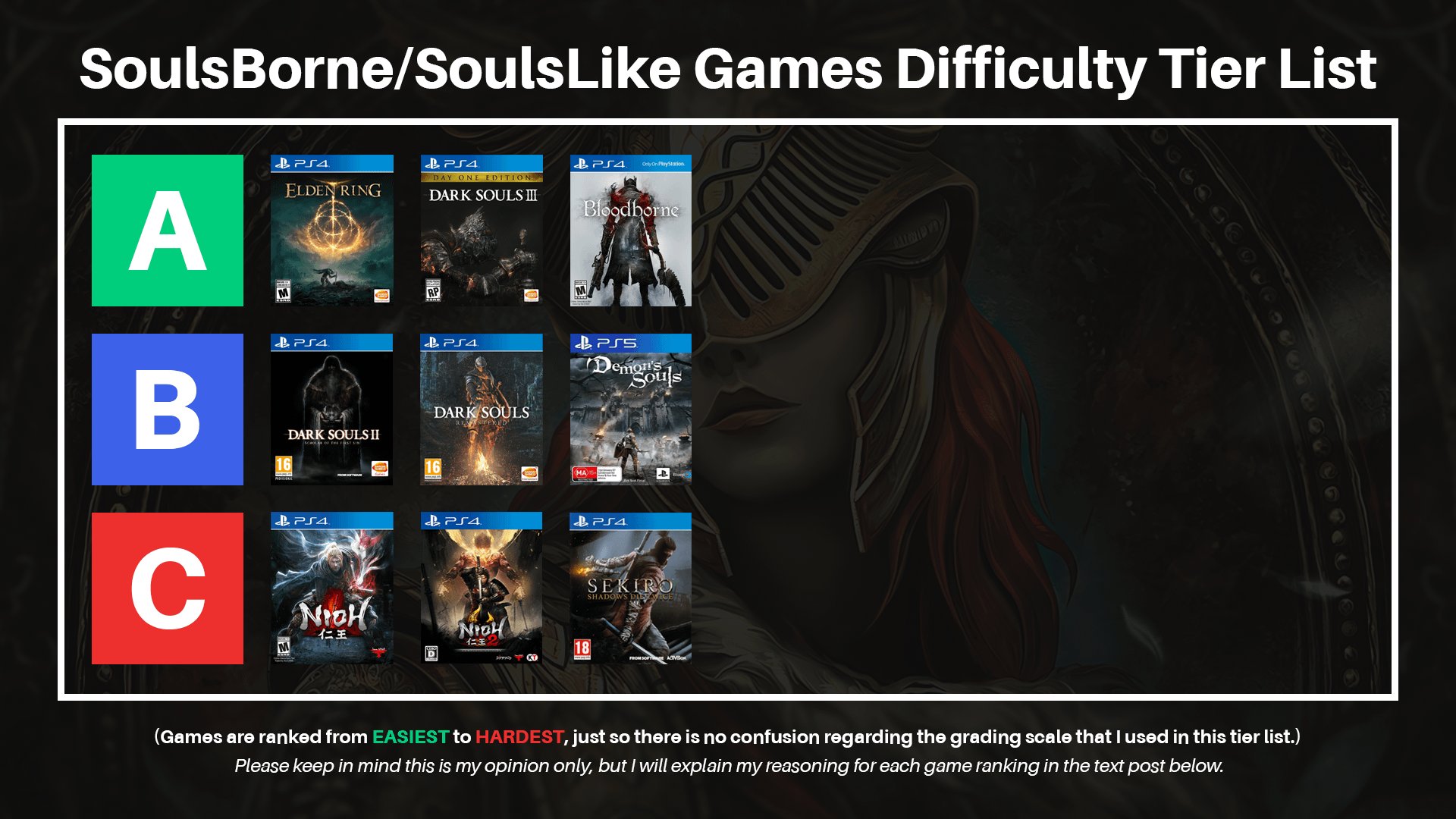
The hardest souls like game is often debated, but many players consider Elden Ring to be the most challenging due to its vast open world and intricate combat.
Figuring out what is the hardest souls like game can feel like venturing into a dark, punishing dungeon itself. This genre, known for its unforgiving difficulty, has spawned many titles, each with its own brand of brutality. It’s not simply about button mashing, but strategy and patience.
Players frequently swap stories of near-impossible bosses and grueling landscapes. Therefore, when deciding which game is the hardest, it mostly comes down to individual experience. But still, some games always stand out as the most daunting.

What is the Hardest Souls-like Game?
Okay, let’s get into the heart of it. You’re here because you want to
know: what’s the absolute toughest, most controller-smashingly difficult
Souls-like game out there? Well, that’s not a simple question to answer.
It’s like asking which flavor of ice cream is the best—it really depends
on who you ask! There isn’t one single winner for everyone. The
“hardest” game often comes down to your play style, what you find
challenging, and even a bit of luck. But, we can dive deep and talk
about what makes some of these games so notoriously difficult. We can
also explore the specific challenges each game presents. We’ll break it
down so you can get a better picture.
Defining “Hard” in Souls-like Games
First, let’s understand what makes a Souls-like game “hard.” It’s not
just about unfair battles. It’s a mix of different things:
-
Punishing Combat: These games are not button-mashers.
They demand precise timing, careful planning, and knowing when to
attack and when to dodge. One wrong move and, bam, you’re starting
over! -
Tough Bosses: Boss fights are the big tests. They often
have tricky attack patterns. They require you to learn their moves
and be super patient. -
Resource Management: You often have to think about
your health, magic, or other special abilities. Healing is not
always easy or quick. -
Challenging Level Design: Expect winding paths,
hidden traps, and enemies waiting around every corner. It is really
easy to get lost or caught off guard. -
Consequences for Death: Dying means losing progress.
Sometimes you lose your collected resources or have to travel all the
way back to a checkpoint.
Popular Contenders for the “Hardest” Title
With all of that in mind, we can now look at some common contenders for the title of ‘Hardest Souls-like Game’. These games are regularly discussed among fans as being particularly challenging. Let’s take a closer look.
Dark Souls Series
The Dark Souls games are often the starting point when talking about difficult Souls-like games. They were influential in setting the standards for the genre.
- Dark Souls I: The first game is beloved, but its interconnected map can also be confusing. Many players find its world difficult to navigate, especially at first. The bosses are difficult, and certain areas like Blighttown can be real tests of your patience.
- Dark Souls II: This game sometimes gets flak for its enemy placement. It often features groups of enemies and long stretches between bonfires. It can test your ability to survive and manage resources carefully. Some bosses have been called unfair by some players, making it really hard to move ahead.
- Dark Souls III: Often seen as the most polished of the original trilogy, Dark Souls III has fast, aggressive combat. Bosses are designed to be hard and require you to play really well. The late game areas are very difficult, and the DLCs are considered brutally difficult by many.
Sekiro: Shadows Die Twice
Sekiro shakes things up by focusing on parrying and precise combat. It doesn’t have the typical role-playing elements of other Souls games. Instead, it demands you get really good at its specific fighting system. You have to learn to time your blocks perfectly.
- Fast-paced combat: It demands very quick reactions. Dodging isn’t always the best way to deal with attacks, you need to learn to parry and deflect.
- No character builds: You have to get good at what the game gives you, which can be a challenge for people used to leveling up specific stats.
- Unique bosses: The bosses require you to learn their patterns and use the game’s mechanics properly. Some, like Isshin, the Sword Saint, are considered some of the toughest bosses in all of Souls-like games.
Bloodborne
Bloodborne has a faster, more aggressive style than Dark Souls. It emphasizes attacking and dodging, with a focus on being the aggressor. The atmosphere is very eerie, and some of the enemies are really scary.
- Fast-paced combat: Bloodborne moves faster than Dark Souls. It pushes you to take chances and fight aggressively.
- Regain system: You can get back lost health by attacking right after getting hurt. It encourages you to stay in the fight.
- Unique enemy types: The enemies are grotesque and frightening. They can be tough to fight, especially if you aren’t used to their movements.
Nioh and Nioh 2
The Nioh games add a deep loot system and a stance-based combat system to the mix. These games can feel overwhelming at first, but their combat becomes more satisfying with practice.
- Stance-based combat: You have to learn to switch between stances to make best use of your attacks and movements. It adds a layer of complexity to the fights.
- Deep loot system: The tons of loot might be too much for some players, and some people find the menu system difficult.
- Yokai enemies: The enemies in Nioh are based on Japanese folklore. They are often strong and have unique abilities you have to watch out for.
Mortal Shell
Mortal Shell introduces the shell system, where you inhabit different bodies. This system forces you to play in a particular style, based on the shell you have.
- Shell mechanic: Learning which shell is best for different enemies or situations can take time. Each shell plays differently.
- Limited healing: Healing items are quite rare, making each fight a careful test of skill and stamina.
- Environment design: The world is full of difficult enemies and hazards that test your ability to survive.
Lords of the Fallen
Lords of the Fallen attempts to recreate the Dark Souls experience with its own twists. Some people find it very difficult because of its unforgiving nature.
- Heavy combat: Movement and actions can feel very slow and ponderous. This requires you to be very deliberate with every move.
- Enemy placement: Some enemies seem to be placed to make things as difficult as possible, often in groups.
- Boss fights: The bosses can be very challenging, and require you to learn their movement carefully to survive.
Remnant: From the Ashes
Remnant combines the core of a Souls-like with third person shooter mechanics. It focuses on gunplay and fast movement. This can create a unique challenge for some players.
- Gun-based combat: The combat requires you to aim and manage ammo, different than most melee-focused Souls-like games.
- Randomized levels: The world is often different with each playthrough. So, you cannot always rely on previous knowledge of the areas.
- Difficult enemies and bosses: You are challenged to learn various enemy patterns and learn to fight effectively against them.
Factors That Influence Perceived Difficulty
Okay, it’s clear there are a lot of really challenging games in this genre. But, what makes a game feel harder for you? It’s not always just about the game’s design. Here are some things to consider:
-
Your Experience with the Genre: If you’re new to
Souls-like games, the learning curve will be steeper. You might
struggle with the concepts of deliberate combat and consequences for
death. Someone who’s played tons of them will feel more prepared and
find many games easier. -
Your Playstyle: If you love fast-paced action,
something like Bloodborne or Sekiro might suit you. If you prefer
a slower, more methodical approach, you might find the Dark Souls
games a bit more comfortable. It is often hard to change your
preferred play style to the way that a particular game wants you to
play. -
Your Patience and Persistence: These games are about
learning from mistakes and trying again. If you get frustrated
easily, you might find any Souls-like game very difficult. Those who
persist and keep going will often improve with practice. - Specific Game Mechanics: Some games have mechanics that can be particularly tricky. This can be parrying in Sekiro, or the poise system in Dark Souls for example. If you find these systems difficult to manage you may find those games harder than someone who is comfortable with those mechanics.
So, Which One is the Hardest?
After looking at all of these games, there is still no single answer. Sekiro is often mentioned for its very precise combat and demanding boss fights. Dark Souls II is also cited for its complex level design and groups of enemies. Bloodborne is mentioned because of its speed and unique enemy designs. It is often best to look up reviews of the games to get different peoples opinions on the particular challenges.
Ultimately, the “hardest” game is the one that makes you struggle the most
based on your skills and preferences. Don’t be put off by a game’s
reputation, it’s often better to try it out for yourself. What you might find incredibly difficult, another person may find easy. Your experience is unique to you.
The best thing to do is explore the games and enjoy the challenges. The goal is to test yourself and improve through learning and repetition. These games are all designed to test your skills and push you to keep improving. If you are willing to take on the challenge, you may well find some of these games among your favorites.
Ranking Every Souls Game Easiest to Hardest (Including Elden Ring)
Final Thoughts
Ultimately, determining the absolute hardest souls like game is subjective. Player skill and specific builds heavily influence perceived difficulty. Some find the fast pace of Bloodborne challenging, while others struggle with the deliberate combat in Dark Souls.
Many debates center around which title presents the steepest learning curve. The ‘what is the hardest souls like game’ question will always have varying answers. Personal preferences and play style matter most in your experience.

