
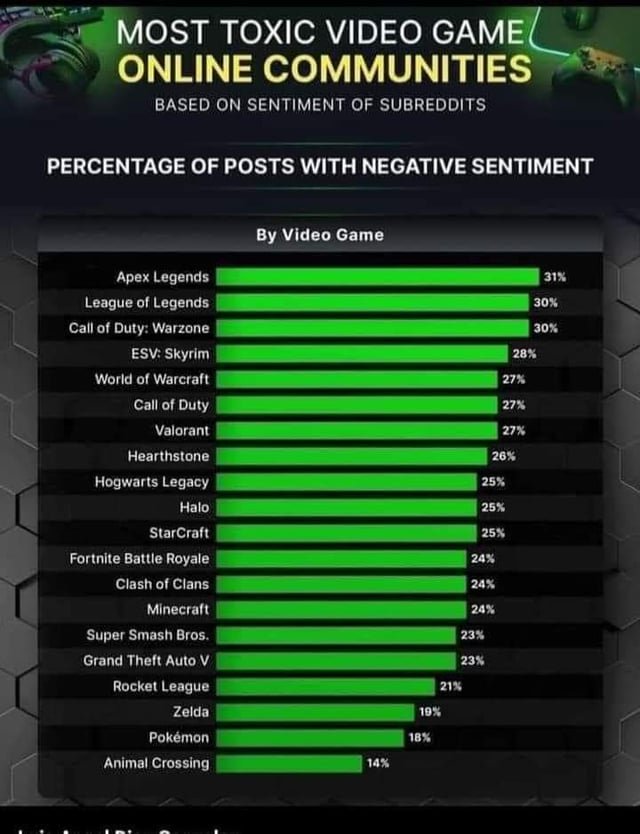
The most toxic game, based on player reports and community sentiment, often fluctuates, but many consistently point to online multiplayer titles where competitive stakes and anonymity can encourage negative behavior.
We’ve all experienced it – that sinking feeling when a game, meant for fun, turns sour. The virtual world, sometimes, becomes a breeding ground for negativity. What is the most toxic game? It’s a question many gamers ask after facing harsh words and frustrating situations.
The gaming sphere presents a vast range of experiences. From cooperative adventures to intense PvP battles. Yet, this environment can unfortunately sometimes amplify negative tendencies in some individuals. This leads to frustrating interactions within communities.

What is the Most Toxic Game?
Figuring out which game is “the most toxic” is like trying to find the naughtiest kid in a really big playground – it’s tricky because everyone has different ideas about what’s bad. What makes a game toxic for one person might not bother another. However, we can certainly look at some games that are known for having, shall we say, less-than-friendly player communities. Let’s explore this together. Instead of picking one single “most toxic game,” we’ll explore some games that often get labeled as having particularly negative atmospheres and discuss why that is.
Understanding Game Toxicity
Before we jump into specific games, let’s talk about what makes a game community toxic. It’s not just about losing; it’s about how people treat each other. Imagine you’re playing a game and instead of helping or encouraging, players are being mean, saying hurtful things, or even cheating. That’s a recipe for a toxic environment.
Common Toxic Behaviors in Games
Here are some common signs that a game might have a toxic community:
- Verbal Abuse: Name-calling, insults, and offensive language used towards other players.
- Harassment: Bullying or repeatedly targeting another player to make them feel bad.
- Racism and Sexism: Using discriminatory language or behavior based on someone’s race, gender, or other personal characteristics.
- Cheating: Using hacks or exploits to gain an unfair advantage, ruining the game experience for others.
- Griefing: Intentionally doing things to annoy or sabotage other players’ experience, such as destroying their work or repeatedly killing them.
- Elitism: Making new players or less skilled players feel unwelcome or worthless.
- Throwing Games: Purposely losing or playing poorly to negatively impact their teammates.
These behaviors can make gaming not fun and can even impact a person’s mental wellbeing.
Games Often Associated with Toxicity
Now, let’s look at some games that are frequently mentioned when the topic of toxic communities comes up. Remember, not everyone in these games behaves badly, but they have a reputation for having more than their fair share of toxic interactions.
Multiplayer Online Battle Arenas (MOBAs)
League of Legends (LoL)
League of Legends is a hugely popular game where teams of players battle each other in an arena. It’s complex, competitive, and requires good teamwork. But sometimes, the pressure can make players act out. You might hear people yelling over voice chat or typing mean comments if someone makes a mistake. The competitive nature of the game often leads to frustration, which sometimes results in players taking it out on their teammates. The game’s reliance on teamwork, combined with the high stakes of each match, can create a pressure cooker environment.
Dota 2
Dota 2 is similar to League of Legends. It has a very high skill ceiling, meaning there’s a lot to learn, and the game is really hard. The high learning curve, coupled with its competitive scene, can create a very toxic environment. Players can be very harsh to teammates who make errors or seem less skilled. The level of strategy and dedication demanded by the game often exacerbates negative behavior.
First-Person Shooters (FPS)
Counter-Strike: Global Offensive (CS:GO)
CS:GO is a tactical shooter where teams compete against each other. It’s a game where players must communicate well to succeed. But this need for communication can also become a source of conflict. When players don’t perform well, they may face a barrage of insults. Furthermore, CS:GO’s competitive ranking system can heighten the intensity and the associated negativity. The fast-paced and high-stakes nature of CS:GO matches often contributes to a tense, and sometimes toxic atmosphere.
Call of Duty (CoD)
Call of Duty is a series of fast-paced shooter games. Online matches can often be full of players shouting offensive language or criticizing each other. The quick respawns and the ‘lone wolf’ play style sometimes allow negativity to fester. The constant action and focus on individual performance can lead to players being more vocal about their frustrations.
Other Games with Toxic Tendencies
Overwatch 2
This hero shooter game can be really fun, with its colorful characters and unique abilities. However, the dependence on team synergy sometimes leads to blame games when things go wrong. Players can become very upset when a single teammate seems to be dragging the team down. The high expectations within team-based matches can sometimes create a very negative experience.
Rocket League
Rocket League, a game where you play soccer with cars, is known for being fun and silly. However, the competitive scene can be harsh. Players may get angry if teammates don’t play perfectly or miss easy shots. This can lead to players being verbally abusive, or purposefully sabotaging their own team. The game’s blend of fun and competition sometimes creates a breeding ground for toxicity.
Grand Theft Auto Online (GTA Online)
GTA Online, with its open world and freedom to do almost anything, often attracts players who enjoy causing chaos and griefing other players. This can range from destroying other people’s property to repeatedly killing them. This type of behaviour, though in the game, creates a toxic environment and ruins fun for others. The lack of structured gameplay can sometimes encourage toxic player behavior.
Why are These Games More Prone to Toxicity?
Several factors contribute to why certain games tend to have more toxic communities:
High Stakes and Competition
Games that are highly competitive or have ranking systems can often lead to increased toxicity. When players feel like their wins or losses matter a lot, they may become more frustrated and lash out when things don’t go their way. When competition becomes intense, sportsmanship can sometimes suffer.
Team Dependency
Games that rely heavily on teamwork can sometimes be a hotbed of toxic behavior. When players feel that a loss is due to a teammate’s mistake, they are more likely to become angry or say hurtful things. The shared success of the team is a double-edged sword. When things go wrong, blame can be quickly assigned.
Anonymity
When people are playing online and hidden behind usernames, it can sometimes make them feel like they have permission to act differently than they would in real life. This lack of accountability can allow players to say mean things or do bad things without consequences. The online environment, while offering freedom, can also encourage negative actions.
Lack of Effective Moderation
If a game does not have strong moderators or systems in place to deal with bad behavior, this behaviour can often increase. If players who are mean don’t get punished, other players are more likely to act the same way. Effective moderation is critical in maintaining a healthy online environment.
Existing Player Base
Sometimes, the behavior within a game community is already established. If bad behavior is already common, it can be difficult to change the culture. This means that some games are more prone to toxicity because this is the accepted player behavior. An existing toxic culture can be self-perpetuating.
What Can We Do About Game Toxicity?
While some games may have a reputation for toxicity, we have a part to play in making things better. Here are some ways to help make gaming a friendlier space:
- Be Kind: Treat other players the way you’d want to be treated. Even when frustrated, try not to insult, berate, or attack other people.
- Report Bad Behavior: Most games have systems in place to report players who are misbehaving. Use them.
- Mute or Block: If someone is being abusive, don’t hesitate to mute their voice chat or block their messages.
- Be a Good Team Member: Focus on helping your team and encourage your teammates, even if they make mistakes.
- Take a Break: If you’re feeling stressed or frustrated, step away from the game for a while. This will help your overall experience, and those around you.
- Join Positive Communities: There are many groups of players that are focused on being supportive and friendly, so seek them out.
- Support Developers Who Take Action: Support game developers who have proactive systems in place to tackle toxicity.
Is there an Ultimately Most Toxic Game?
There’s no single answer to the question of ‘what is the most toxic game?’ Instead, it’s more helpful to think of toxicity as a spectrum. Some games tend to have more problems than others. By being aware of what can cause these problems, we can all try to make online gaming a safer and more enjoyable experience. Remember that the actions of individuals within any community can impact the overall tone of the space. If we all choose to be more positive, we can help change the atmosphere of online games for the better. Let’s all strive to create a place where everyone can feel welcome, and have fun.
Ultimately, while certain games are frequently associated with toxicity, it is the behavior of the players that determines whether a game is fun or frustrating. By being mindful of our own actions and actively working towards a more supportive environment, we can help lessen negativity in online spaces.
Top 5 Most TOXIC Gaming Communities 🤬 #shorts
Final Thoughts
The search for the “most toxic game” often ends with multiplayer titles. Competitive environments breed frustration, leading to negative player behavior. Different games exhibit toxicity in varying forms, from verbal abuse to cheating.
Ultimately, pinpointing the absolute worst is subjective; personal experiences heavily influence perception. However, games that encourage anonymity and intense competition tend to foster the worst environment. Pinpointing the worst remains elusive, so player caution is key.

