
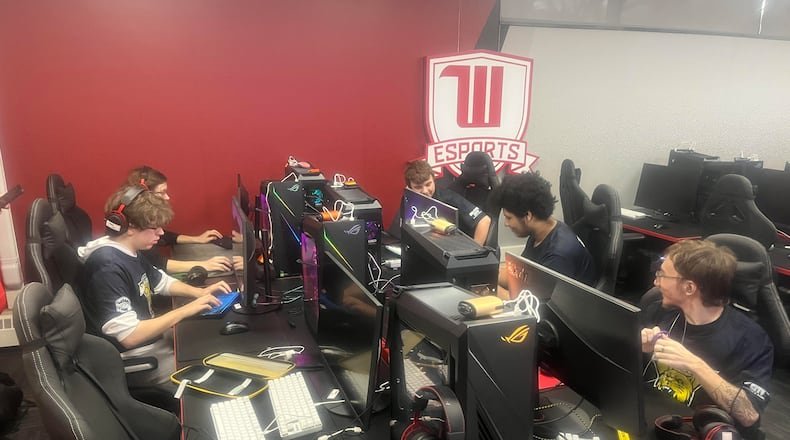
High school esports teams typically play around 10-15 games per season, depending on the league and specific game title.
Ever wondered how many games do high school esports teams play? It’s a question many aspiring players and parents ponder. The competitive landscape in high school esports varies, but understanding game volume offers valuable context.
The number of matches per season isn’t always set in stone. It is affected by the structure of the league or competition and by the chosen esports game itself. This impacts a team’s schedule and preparation.

How Many Games Do High School Esports Teams Play?
So, you’re curious about how many games high school esports teams actually play? It’s a great question! Just like traditional sports, the number of games can change a lot depending on several things. It’s not as simple as saying “every team plays exactly this many.” Let’s dive in and explore all the cool factors that affect how many matches these young gamers get to play.
The Variety of Games Played
First things first, let’s talk about the games themselves! High school esports isn’t just one thing. There’s a whole world of different games that students play. This variety plays a big role in how many matches a team will have. Some popular choices include:
- League of Legends: A team-based strategy game where players work together to destroy the other team’s base.
- Rocket League: Think soccer, but with cars! This fast-paced game is all about scoring goals with rocket-powered vehicles.
- Overwatch 2: A hero shooter with different characters that have special abilities. Teamwork is key in this game.
- Valorant: A tactical shooter game where strategy and precision are very important.
- Super Smash Bros. Ultimate: A fighting game where players battle it out using their favorite Nintendo characters.
- Fortnite: A battle royale game where players fight until only one player or team is left.
- Madden NFL: A simulation game where students play football as their favorite NFL teams.
- NBA2K: Similar to Madden, but focused on basketball, allowing teams to play as professional basketball teams.
Each of these games has its own schedule rules and competition formats. Because of that some games inherently lend themselves to more frequent matches than others. A game like Rocket League, with its short matches, might see more contests than League of Legends, which needs longer playing sessions.
The Season Length and Structure
The length of an esports season also really impacts the total number of matches. Just like regular sports, high school esports has seasonal schedules. They don’t play games all year long. These seasons usually line up with school calendars.
Fall, Winter, and Spring Seasons
Many high school esports leagues have distinct seasons, often running during fall, winter, and spring. This mirrors traditional sports seasons. A fall season could have a different set of games and a different schedule than a spring season. During a specific season, teams might play one or two matches per week. And these matches usually occur after school hours or during weekends.
League Play vs. Tournament Play
The structure of the competition is another vital aspect. There are two main ways high school esports teams compete:
- League Play: This is where teams play a set schedule of matches against other schools in their league. Think of it like a regular sports schedule, with weekly or bi-weekly games. The team plays each other a certain number of times.
- Tournament Play: Tournaments are often larger events where multiple teams compete in a bracket. Some tournaments are single-elimination, where a team gets knocked out after just one loss, whereas some allow for a second chance. They can be local, regional, or even national events.
League play will have more games overall. On the other hand tournaments can include a very focused amount of games played over a short time period.
League and Governing Body Rules
Different leagues and governing bodies set their own rules about how many games are played and the season structure. These leagues can be state-wide organizations or even national groups. Different states have different standards. Some leagues may prefer shorter, more frequent games, while others might opt for longer, less frequent matches. Some leagues may have a strict limit on the number of matches to ensure student-athletes have sufficient time to focus on academics. Other leagues might allow for more games, especially if they’re popular and successful.
The Role of State Associations
State high school athletic associations are beginning to get more involved in esports. These groups often set the guidelines for how esports will be managed within their state. For example, some state organizations will determine rules for game eligibility, team eligibility, and the number of games that can be played. They’ll try to create a level playing field for all participating schools and make sure student-athletes are being treated fairly.
National Organizations
National organizations also play an essential role by setting rules for large competitions and tournaments. They often work with state associations to form a nationwide infrastructure for scholastic esports. These organizations ensure standardization to provide fair and equal opportunity for all competing students.
Practice Time and Scrimmages
It is worth mentioning that the number of official games isn’t the only factor impacting a team’s playing time. Practice is very important! Teams often participate in practice sessions and scrimmages against other teams.
Practice Schedule
Practice schedules vary greatly by team and game. Some teams might practice three times a week for an hour, while others may have daily practices with more hours allocated. These sessions focus on improving individual skills, strategy, and teamwork. During the practice period, they might play practice matches (scrimmages) against their own teammates or other local high schools.
Scrimmages
Scrimmages are informal practice matches. These don’t count toward the official win-loss record. They provide teams with a chance to test new strategies and improve their performance in a low-pressure setting. The number of scrimmages a team participates in can also impact the total amount of time they spend playing.
Factors That Change How Much Teams Play
Let’s discuss how some specific factors can change how much a particular team plays. These can change a team’s schedule significantly.
School Size and Resources
Larger schools with more resources might have more teams and the capacity for more games. These schools might also have more funding for equipment and coaches, which leads to more organized practices and competition.
Team Skill Level
A very skilled team might be invited to more tournaments or events. These teams often play more than less experienced teams due to additional opportunities. Furthermore, skilled teams tend to progress further in tournaments, playing additional matches as a result.
Geographic Location
Teams in areas where esports is more developed and popular may find more opportunities to compete. They might have access to more regional and national competitions. Teams located in more remote areas might find it difficult to find enough competition and might have less of a schedule.
Game Popularity
The popularity of a particular game can affect how many matches are available. If a lot of schools have teams playing the same game, it might lead to a larger league schedule. A game which is not widely played might have fewer match opportunities.
Team Preferences
Individual coaches and teams can have different preferences. Some prefer a more active schedule, while others are more cautious. Some teams might choose to focus more on practice and less on match play, or the opposite.
An Example Schedule
Let’s look at an example. A high school team might play a game like Rocket League. They participate in a state league that lasts for 10 weeks, with a match each week. This team also might participate in a tournament where they play 3 to 5 more games. In this case, the team plays 13-15 games in total, not including any practices or scrimmages.
Another team which plays League of Legends, might play a few games in the 10 weeks, they might only play two games per week. They might participate in a single elimination tournament in a day. They would have fewer games than the Rocket league team in the example.
What Does This Mean for Student-Athletes?
All these different factors mean that the experience of a high school esports team can be very different. Some teams play only a few matches a season. Others play many games. Some participate in tournaments and leagues, while others focus just on league play. Every school and every team might have its own path.
Balancing Academics and Gaming
One thing that every high school esports program emphasizes is balance. Students must dedicate time to both their academics and their gaming. Schools and leagues often monitor the academic standing of esports players to make sure they’re staying on track in school.
Developing Important Skills
Playing esports as part of a high school team gives students opportunities to develop lots of valuable skills. They learn how to work as a team, communicate effectively, and plan strategically. They also have to be able to handle time management and solve problems. All these skills can be useful in their academic and their future careers.
So, there’s no single answer to the question of how many games a high school esports team plays. It changes from game to game, team to team, and season to season. But one thing is certain, it’s a exciting area for students to participate in and grow, both in their gaming abilities and life skills!
The varsity Fortnite team won state 😅🏆 #shorts
Final Thoughts
Typically, high school esports teams play around 10-14 games per season. The exact number varies depending on the league and game title. Some teams may participate in tournaments.
This competition schedule usually takes place over a few months. How many games do high school esports teams play hinges on regional variations. Teams might also have scrimmages outside of the scheduled play.

