
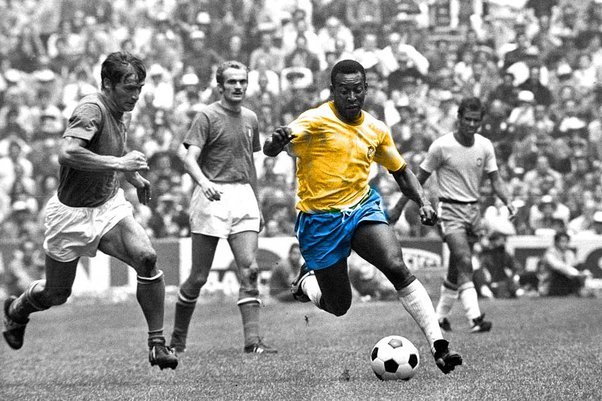
The national game of Brazil is football (soccer).
Thinking about Brazil often brings to mind vibrant colors, samba rhythms, and of course, football. But what is the national game of Brazil, really? The answer is deeply embedded in their culture and history.
Football, or soccer as it’s known in some places, holds an almost religious significance in the country. It’s more than just a sport; it’s a way of life. It unites people from all walks of life in shared passion.

What is the National Game of Brazil?
When you think of Brazil, what pops into your head? Maybe it’s the vibrant Carnival parades, the beautiful beaches, or the lush Amazon rainforest. But for many, one thing stands out: soccer! Or as Brazilians call it, futebol. Yes, futebol is more than just a game in Brazil; it’s a passion, a way of life, and, without a doubt, the country’s national game.
The Unbreakable Bond: Futebol and Brazilian Culture
The connection between Brazil and futebol is incredibly strong. It’s like a never-ending love affair! You’ll find people playing it everywhere – on the beaches, in the streets, in parks, and of course, in grand stadiums. It’s not just something people watch; it’s something they participate in. Imagine kids using anything – from rolled-up socks to plastic bottles – as a ball and turning any patch of open space into their very own football field. That’s the spirit of Brazilian football.
More Than Just a Game
Futebol in Brazil represents so much more than just kicking a ball into a net. It brings people together, no matter their age, race, or background. It provides a shared sense of identity and pride. When the national team, Seleção, plays, the whole country seems to pause. Streets empty, and every television screen glows with the green and yellow of the Brazilian flag. It’s a moment of unity that few other things can replicate.
The game also inspires dreams and aspirations. Many young Brazilians dream of becoming the next Pelé or Neymar, and dedicate themselves to honing their football skills from a very young age. The prospect of a football career offers social mobility and opportunities for them and their families. The streets of Brazil act as a training ground for many future professionals.
Why is Futebol So Popular in Brazil?
The popularity of futebol in Brazil is not just by chance. Several historical, cultural, and social factors have contributed to its widespread appeal and devotion:
Historical Roots
Futebol arrived in Brazil in the late 19th century, brought by British expats. At first, it was a game played mostly by the elite, but it didn’t take long to spread to the rest of the population. The sport provided a way to unify the nation and gave the Brazilians an outlet for their creativity and talent. It provided a shared national experience that became deeply ingrained in the country’s identity.
The Brazilian Style of Play: Jogo Bonito
One of the main reasons why football is so beloved in Brazil is the unique style of play, known as “Jogo Bonito,” which means “the beautiful game.” This style is all about creativity, skill, and flair. Instead of focusing solely on brute strength, Brazilian players use fancy footwork, tricky dribbling, and amazing passes. Jogo Bonito is an expression of Brazilian culture – joyful, artistic, and passionate. The iconic players of Brazilian football showcase that natural talent with a football at their feet.
The National Team: Seleção
The Brazilian national football team, Seleção, holds an almost mythical status in the country. Winning a World Cup is not just a tournament win; it is a national honor. The nation has won the FIFA World Cup a record five times, securing Brazil’s place as a true powerhouse in the world of football. The players become national heroes and their victories are celebrated throughout the country. The colors of their jersey, the canarinho, inspire so much pride in all Brazilians.
Social Impact
Football provides an accessible form of recreation and entertainment for many. It brings people from all walks of life together, building a sense of community. Even in the poorest areas, football is played with fervor and enthusiasm. For young Brazilians, playing football can be a way to pursue a better future, leading to opportunities in a professional team or even internationally.
Local Clubs and Rivalries
Beyond the national team, Brazil is full of local clubs and passionate rivalries. Each city and region has their beloved local team which ignites strong feelings and creates a unique atmosphere during matches. These local teams give a sense of belonging and identity for their supporters.
Key Aspects of Brazilian Football
Let’s take a deeper look at the aspects that make Brazilian football so special:
- Improvisation and Creativity: Brazilian football is famous for its spontaneous and creative nature. Players are encouraged to improvise and use their skills to express their individual talents. This leads to unpredictable moves and a captivating style of play.
- Technical Skill: From a young age, Brazilians are taught to control the ball with finesse and agility. Dribbling, passing, and shooting with precision are emphasized, making them exceptional athletes.
- The Futsal Influence: Many Brazilian football stars begin their careers playing futsal, a five-a-side indoor version of the sport. Futsal develops exceptional close control and fast-paced decision-making, which contributes a lot to their football skills.
- Youth Academies: Brazil is home to many top youth football academies. These academies nurture the future talent of Brazilian football by providing quality coaching and training.
- The Community Feel: It’s not just about professional players and big teams. In Brazil, you will often find community pitches filled with people of all ages who simply enjoy playing the game. It’s truly part of everyday life.
Famous Brazilian Football Players
Brazil has produced some of the world’s most iconic football players. Here are just a few who have made significant contributions to the sport and the world:
Pelé
Widely regarded as one of the greatest footballers of all time, Pelé helped Brazil win three FIFA World Cups. His amazing athleticism and skills inspired generations of players and fans. Pelé is a Brazilian national treasure and his name is synonymous with the sport.
Garrincha
Known for his incredible dribbling ability, Garrincha is another football legend. He played a significant role in Brazil’s World Cup victories. His unpredictable moves and exciting style of play thrilled fans and earned him a place in football history.
Zico
Zico was famous for his exceptional playmaking skills and goal-scoring ability. He was a leader on the national team and an inspiration for many young players. He is known as “the white Pele.”
Ronaldo (O Fenômeno)
Ronaldo, also called “The Phenomenon”, was known for his incredible speed, power, and goal-scoring instincts. His career was full of incredible moments and has cemented his status as a legendary striker.
Ronaldinho
Ronaldinho is renowned for his extraordinary dribbling and creativity. He brought a sense of joy and entertainment to the game. His ability to make it all look so easy made him a fan favorite and one of the most exciting players to watch.
Neymar Jr.
Neymar is a modern star and one of the most recognizable names in today’s football. He’s known for his skills, speed, and playmaking ability. He continues to carry the legacy of Brazilian football.
Beyond Football: Other Popular Sports in Brazil
While futebol reigns supreme, Brazil also has a thriving sports culture with many other popular sports:
- Volleyball: Brazil has been very successful in volleyball, with both men’s and women’s teams achieving international recognition. Beach volleyball is also very popular, especially in coastal areas.
- Basketball: Brazil has a strong basketball tradition and is home to many passionate fans of the sport. They have their own professional league and are also competitive in international tournaments.
- Swimming: Brazilian swimmers have enjoyed international success, representing the country with pride.
- Mixed Martial Arts (MMA): With so many talented and skilled fighters, MMA has become very popular in Brazil, where it attracts a large following.
- Capoeira: This unique Afro-Brazilian martial art combines acrobatics, music, and dance. It’s a beautiful and engaging expression of Brazilian culture and tradition.
How to Experience Brazilian Football
If you want to experience the passion of Brazilian football, here are a few suggestions:
- Attend a Game: If you have the chance to visit Brazil, make sure to attend a live football match. Experiencing the energy of a Brazilian stadium is unforgettable.
- Visit a Local Pitch: Check out a local community field where people play the game. It’s a perfect way to feel the love for futebol firsthand.
- Watch on TV or Online: Follow the Brazilian League or the National Team games. Even from a distance, the passion and the skill are amazing.
- Learn More about Brazilian Players: Read about the legends of Brazilian football, and admire their skills and creativity.
So, the answer to “what is the national game of Brazil” is definitely futebol. It’s more than just a sport in Brazil; it’s part of their identity, a shared cultural experience, and a source of national pride. From the streets to the stadiums, futebol is present everywhere, uniting Brazilians of all walks of life in the beautiful game.
#nationalgames || National Game Of Brazil || Gk Question || Gk Quiz || #shorts #gyan #gk
Final Thoughts
Ultimately, football holds the prestigious title of Brazil’s national game. Brazilians demonstrate a deep passion for this sport. It’s ingrained within their culture.
The question “what is the national game of brazil?” finds its answer in the beautiful game. Football dominates national attention, from local pitches to international stadiums. It represents a unifying force within the country.

