
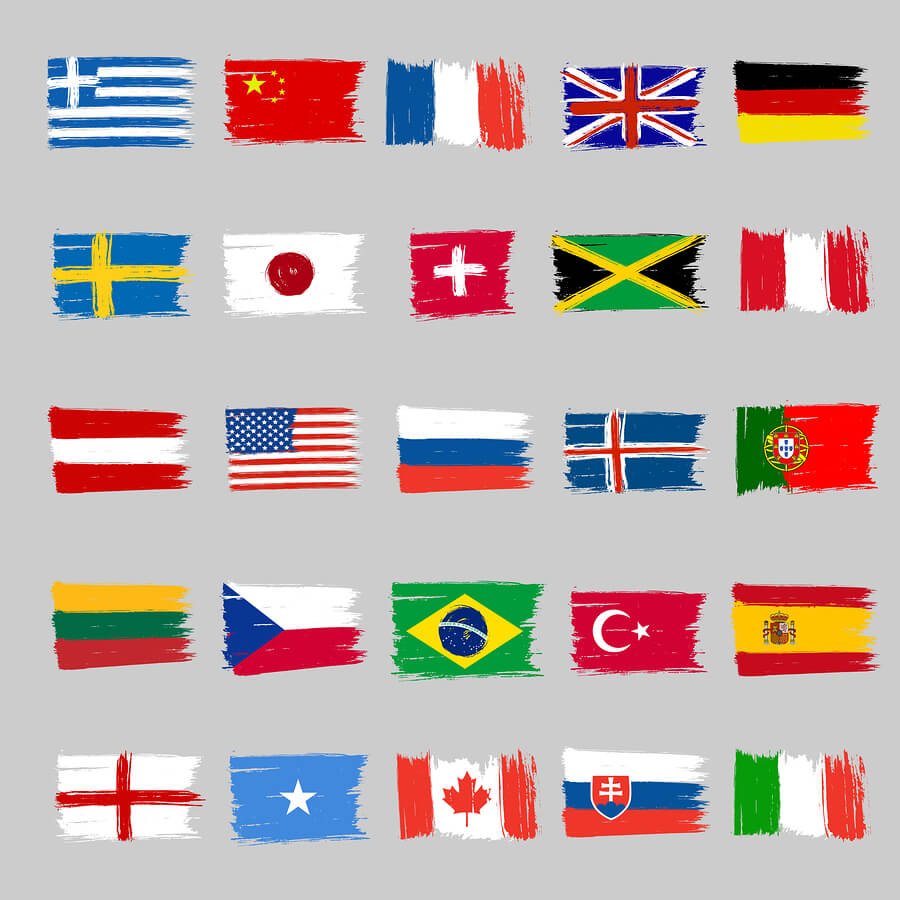
The official languages of the Olympic Games are French and English.
Ever wondered about the communication behind the global spectacle that is the Olympics? It’s a melting pot of cultures, but how do organizers ensure everyone’s on the same page? The question often pops up, what is the official language of the olympic games?
Well, the answer isn’t as simple as just one language. The International Olympic Committee uses two official languages to facilitate smooth operation across various nations. These choices play a key role in the event’s proceedings.

What is the Official Language of the Olympic Games?
Have you ever wondered how athletes from all over the world communicate at the Olympics? It’s a giant mix of cultures and languages! So, what holds it all together? The answer isn’t just one language; it’s actually a special mix. Let’s dive into the fascinating world of Olympic languages and see how they help make the Games a success.
The Two Main Languages of the Olympics
The International Olympic Committee (IOC) has chosen two main official languages for the Olympic Games: French and English. These two languages are used for all important communications, documents, and announcements. Think of them as the language backbone of the entire event. Why these two, you might ask? Well, they have a long history of being important international languages, and we’ll explore that further.
Why French?
French has deep roots in the history of the Olympic Games. Baron Pierre de Coubertin, the person who brought the modern Olympics to life, was French. He strongly believed in the power of international cooperation and sport. Because of his influence and France’s role in creating the games, French became the original official language when the IOC was formed in 1894. Even today, when you hear the Olympic anthem or read official documents, you’ll find French used alongside English. It’s a nod to the rich heritage and tradition of the games.
Why English?
English has become the most widespread language globally. Think about it – lots of people learn English as a second language. This makes it a practical choice for international communication at the Olympics. It helps everyone from different countries understand each other more easily. From press conferences to athlete interviews, English is essential for smooth operations. With the growth of international sports and broadcasting, English has proven necessary for the games.
The Role of the Host Country’s Language
While French and English are the official languages at an international level, the language of the host country also plays a key role. When a country wins the right to host the Olympic Games, they bring their culture and their language to the forefront. This adds another layer of communication to the event.
Communication in the Host City
During the Olympic Games, the local language is used extensively in the host city. Road signs, announcements at venues, and daily interactions often take place in that local language. This makes the experience feel more authentic for visitors. It also allows the local people to connect more closely with the Games.
The Role of Interpreters and Translators
Because so many languages are in use, interpreters and translators are essential. They help athletes, coaches, and visitors communicate when they don’t share a language. Imagine someone from Japan trying to understand an announcement in French or a French speaker trying to order food in Tokyo. Interpreters and translators help in these situations making sure everyone can understand what’s going on.
The Use of Language at the Olympic Games
Let’s take a closer look at the various ways languages are used during the Olympics. It’s not just about chatting; it’s about making sure everyone can enjoy and participate in the Games.
Official Documents
All official documents from the IOC are published in both French and English. This includes rules, regulations, and reports from the games. This helps everyone to be informed about what is happening.
- The Olympic Charter
- Competition Schedules
- Press Releases
- Accreditation documents
Opening and Closing Ceremonies
During the opening and closing ceremonies, you’ll hear both French and English spoken. The speeches are typically given in both, followed by the host nation’s language. This makes it easy for people to understand and follow what’s happening no matter where they come from.
Press Conferences and Media Coverage
At press conferences, journalists will often ask questions in various languages, and simultaneous translation is used to help everyone follow the conversation. In addition, you will often hear reporters switching to English to reach an international audience and that’s because the Olympic Games are broadcasted globally.
Signage and Announcements
Within the Olympic venues, you’ll find signage in French, English, and the host country’s language. This makes it easy for athletes, staff, and visitors to navigate the different locations and events. Important announcements are also given in all three languages to reach as many people as possible.
Why Multiple Languages?
Having multiple official languages at the Olympics helps ensure inclusivity. By using French, English, and the host country’s language, the Olympics acknowledge the diversity and global reach of the Games. It is about making everyone feel like they are part of this important event.
The Olympic Spirit and Language
The Olympics is not just about sports; it’s about bringing people from all over the world together. This means respecting all cultures and different languages. The multiple languages used at the Olympics help demonstrate respect for different cultures and make the event truly international.
Beyond the Main Languages
While French and English are the official languages, you’ll hear many other languages spoken at the Olympics. Athletes and fans come from every corner of the world. That’s why you might hear Spanish, Chinese, Arabic, and many other languages spoken in the stadiums, fan zones, and throughout the host city. It’s a beautiful reminder of the world’s diversity.
The Future of Olympic Languages
As the world evolves and global communication changes, the role of languages in the Olympics may also shift. It will be interesting to see how technology like instant translation impacts the way communication works at the Games in the future. This could potentially involve the use of new tools like AI translation to make communication even easier and accessible for everyone.
The Importance of Language in the Olympic Movement
Language has always been at the heart of the Olympic Movement. From the creation of the modern Games to the present day, it has played a major role in connecting people and cultures. The commitment to multiple languages has been a way to ensure that as many people as possible can participate in and enjoy the Olympic experience.
A Quick Look at Olympic Languages
Here’s a simple way to understand the languages of the Olympic Games:
| Language | Role |
|---|---|
| French | Original official language, rooted in Olympic history. Used in official documents and ceremonies. |
| English | Globally widespread language, used for general communication, press, and international broadcasts. |
| Host Country’s Language | Used in the host city for local communication, signs, and daily interactions. |
| Other Languages | Spoken by athletes and fans from around the world, adding to the event’s diversity. |
So, the next time you watch the Olympic Games, remember that it’s not just about the sports but also about the mix of languages and cultures coming together. It’s a true celebration of global unity through sport.
The commitment to multiple languages shows how the Olympics are open to the whole world. It’s a special mix that brings people together, showing the true spirit of the Olympics: respect, unity, and friendship. And when you hear different languages at the games, it makes this whole thing even more exciting.
What Are the Official Languages of the Olympics?
Final Thoughts
The official languages of the Olympic Games are English and French. This dual language approach ensures effective communication across the diverse global audience. Organizers and participants must navigate these two languages for all official interactions. Therefore, knowing what is the official language of the olympic games is must.

