
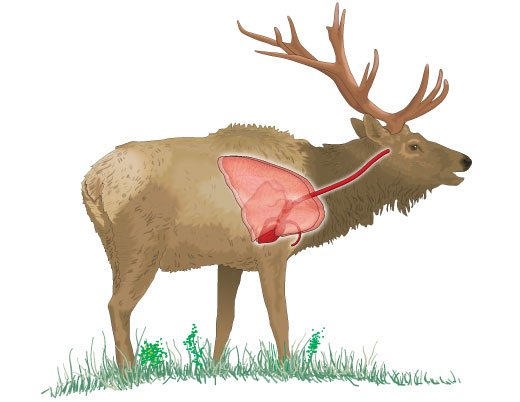
The preferred rifle shot for large game is a broadside shot, placed in the vital chest area, targeting the heart and lungs.
Many hunters often ask, what is the preferred rifle shot for large game? Knowing the most ethical and effective way to take down an animal is vital for responsible hunting. This involves understanding animal anatomy and shot placement for a quick and humane harvest.
A well-placed shot not only ensures a quicker kill, but also minimizes suffering for the animal. Therefore, practicing and understanding ideal shot placement is paramount before venturing out into the field.

What is the Preferred Rifle Shot for Large Game?
When we talk about hunting big animals like deer, elk, or even bears, choosing the right spot to aim is super important. It’s not just about hitting the animal; it’s about making sure the shot is quick and humane. Think of it like this: if you’re playing a game, you want to hit the target in the best spot to win, right? Hunting is the same, but it’s much more serious because we’re dealing with animals. We want to make the most ethical shot possible, that means a shot that causes the animal to pass away as quickly and painlessly as possible. This is why knowing the best rifle shot for large game is not just a good idea, it’s our responsibility as hunters. In this section, we’ll dive deep into the important topic of shot placement for an ethical and effective hunt.
Understanding Animal Anatomy
Before we get into specific shot placement, it’s important to understand a bit about what’s inside a big animal. Think of it like learning the layout of a game board before you start playing. Animals have vital organs, like the heart, lungs, and brain. These organs are what keep them alive. A shot that hits one of these areas is more likely to be quick and effective. A shot that hits less critical areas, like the legs or stomach, could cause the animal to suffer longer, or potentially allow it to escape and not be recovered.
The Heart and Lungs: The Primary Targets
The heart and lungs are located in the chest cavity, also known as the thorax. These two organs work together to keep the animal alive, and they are our primary target for a shot placement. The heart pumps blood around the body, and the lungs help the animal breathe. When either of these organs are damaged, the animal cannot survive for very long. Imagine a car without gas, it’s not going to go anywhere right? Similarly, if a shot damages these vital parts, the animal will quickly lose the ability to move and will pass away quickly. This is why these areas are the most ethical to aim for.
- The Heart: It’s a muscular organ located near the front and slightly lower portion of the chest.
- The Lungs: These spongy organs take up most of the chest cavity and are located around the heart.
The Brain: A Highly Effective but Challenging Target
The brain is another vital organ. If hit, it results in the most immediate end of life for any game animal. However, the brain is much smaller than the heart and lungs and it’s surrounded by bone. A shot to the brain requires a very precise aim and usually means shooting at a closer range. There is no room for error. Because it is a small target, it is often not a reliable choice, especially for beginners or hunters facing challenging conditions. This shot requires a hunter to be very skilled with their rifle and extremely confident in their shot placement capabilities.
Commonly Recommended Shot Placements
Now that we understand the key organs, let’s talk about some specific shot placements that hunters commonly use. These shots are tried and tested for providing a quick end. Each one has its pros and cons, and we’ll go through them.
The Broadside Shot
The broadside shot is usually the most popular for a reason; it gives you the biggest target. A broadside shot is when the animal is standing sideways to you, giving you a full view of its side. Here, you have a big area to aim for right in the vital area. This angle is ideal for hitting the heart and lungs which are the preferred shot for many hunters. The broadside shot is generally considered the most ethical choice. It’s also the shot that most hunters will practice at the shooting range. When you shoot in the center of the chest area, you are almost always assured to hit either the lungs or the heart, this is why this angle of shot is preferred.
- Where to Aim: Imagine a line going up the front leg of the animal, and the other line going along the body. You want to aim at a point on that line around halfway up the body of the animal, in the center of the body in terms of distance from front to back.
- Pros: Large target, high likelihood of hitting the heart and/or lungs, good for any experience level.
- Cons: None particularly for the animal, but it is important to make sure that nothing is in the way, and that you are indeed aiming where you think you are.
The Quartering-Away Shot
The quartering-away shot happens when the animal is slightly angled away from you, with its rear end closer to you than its front. This angle can also provide an ethical shot opportunity when done right. It’s a good shot because it still gives a good path to hit the lungs and maybe the heart, while angling towards the front of the animal, and through a larger area of the body. This type of shot also has the additional benefit of angling towards the front of the animal. Aiming this way, there is less chance that the bullet might pass through the animal at an angle, where it has a greater chance of passing completely through the animal without impacting a vital organ.
- Where to Aim: Imagine where the opposite shoulder would be and aim just behind that point, while making sure that you are far enough back that you will hit the vital organs and not the rear of the animal. The exact location depends on the angle of the animal.
- Pros: Good path to vital organs, and helps the bullet stay within the body instead of passing through.
- Cons: Can be a harder angle for beginner shooters. It also requires a higher level of understanding of animal anatomy.
The Head/Neck Shot
The head or neck shot is not generally recommended as a primary target, despite the instant end of life that it provides when accurate. The small size of the brain, and the presence of large bones and musculature in the area make it extremely difficult to ensure you hit the brain or vital arteries, resulting in potential for injury or suffering. Even highly skilled marksmen will often avoid these shots because of the potential for injury and prolonged suffering if they miss the targeted brain area. Head or neck shots are also particularly bad for a long range shot or a shot where you are not comfortable with the target. In this situation, it is recommended that you always wait for a better, more ethical shot. There are very few situations where this shot is the right choice.
- Where to Aim: The brain is the only spot that can be considered an ethical target in the head area. However, the exact location varies depending on the animal. Aiming behind the ear on the side of the head is recommended, but there is no universal answer. The neck shot would involve aiming at the artery running along the neck area.
- Pros: Immediate result when performed properly.
- Cons: Very small target, high chance of a non-lethal hit, requires a very skilled shooter.
Shots to Avoid
Just as there are shots you want to take, there are some shots you absolutely need to avoid. These are shots that will not make for a quick end of life, and cause unnecessary suffering and an ethical hunting failure. Let’s look at the ones that should be avoided, and why:
The Frontal Shot
A frontal shot, or a shot at the chest of an animal that is facing you, is not generally recommended. While the vital organs are in the chest area, they are partially protected by the shoulder, breastbone, and other bones and muscluture. This shot also has a very high chance of a less than ideal angle of penetration, leading to a longer recovery of the game and a higher potential for the animal to not be recovered. This shot provides a very narrow path to the vitals, and it is very hard to achieve. Because of these factors, a frontal shot should only be considered by a highly skilled marksman, and only in situations where the animal is not going to provide any other opportunity.
- Why to Avoid It: High chance of hitting shoulder, low chance of hitting vitals.
- The Exception: Only in instances where there is no other shot opportunity. Should be performed by a very skilled marksman.
The Rear Shot
A rear shot at any part of the animal is probably the worst of all shot placement options. There are no vital organs in this part of the body. This type of shot will likely cause prolonged suffering, will likely not be recoverable, and is in no way ethical. This shot is sometimes performed mistakenly when a hunter confuses the front of the animal with the back of the animal. Even if you think you are seeing a broadside target, it’s essential to take the time to confirm the correct shot before pulling the trigger. There is no real exception to this rule.
- Why to Avoid It: Will cause suffering, there are no vitals in this location, and has a high chance of never being recovered.
- Never: There is no scenario that a rear shot is an ethical choice for a hunter.
The Gut Shot
The gut shot, which is a shot to the stomach, is a very poor choice because it does not provide a quick end of life. The animal will likely suffer for a long time before passing away, making this shot very unethical. An animal will not generally pass away immediately when it is hit in the gut, meaning there is a high chance it will run away, and not be recovered. It is essential to avoid this shot at all costs. This is never an ethical choice.
- Why to Avoid It: Will cause extended suffering, and will likely result in the animal not being recovered.
- Never: There is no scenario where a shot to the gut is a good idea.
Factors Affecting Shot Placement
It’s not just about knowing where to aim, but also taking into account the circumstances that impact your aim. Some of these factors include your distance to the target, the angle, and the type of terrain.
Distance
The further away an animal is, the harder it is to make an accurate shot. Your bullet is more prone to being impacted by wind, and will also lose a certain amount of energy on its trip to the target. Also, the visual of the target area is smaller, making it more difficult to aim at the correct spot. Close shots are always better, but they are not always possible in every hunting situation. Knowing your comfort range is essential for ethical hunting. Only take a shot when you are confident you will be able to hit your intended target area. If you are not sure, wait for the animal to come closer, or choose not to shoot.
Angle
The angle of the animal is very important when you are choosing a shot. As mentioned earlier, the best angle is a broadside or a quartering-away position. An animal in a frontal position, or a position where it is facing away from you, is usually not a good target. When selecting a shot placement, it is essential to not only think about where you are aiming, but also the path the bullet will take through the animal’s body. Always choose a shot that will give you the best chance of hitting the vitals.
Terrain
Hilly, rocky, or heavily wooded terrain can make it very hard to aim and shoot accurately. These conditions may also impact the bullet travel, as the bullet can be deflected by grass or brush. It is always important to be aware of your surroundings when shooting, making sure that you always have a good clear path to your target, and nothing that might interfere with the path of the bullet. Being aware of the ground and trees around you is very important in all hunting situations. Make sure you only take shots when you have both the ability to take the ethical shot, and the clear conditions required to take that shot.
Practicing Shot Placement
Knowing where to aim is just one part of the puzzle. You also need to practice and become proficient. No one is born a perfect shot, it takes time and effort to become a good marksman. Here are a couple of things that you can do to prepare.
Shooting Range Time
The shooting range is the best place to practice. Start by targeting a large area. Once you have consistently hit that spot, you can decrease the size of the target to practice hitting more precise spots. Practice shooting at different distances and in different positions like standing, kneeling, or sitting to simulate hunting scenarios. Try to practice with similar clothing and equipment that you will be using while hunting, so that it is as close to a real life situation as possible. Practice often to become skilled, and practice safely. Only take shots on game that you are comfortable hitting.
Know Your Rifle and Ammunition
It’s important to get familiar with your rifle and ammunition. Every rifle shoots slightly different, and you need to understand how your equipment operates. Different kinds of ammunition can also impact bullet performance. Once you understand your rifle and bullet performance, you will know what it is capable of. Take time at the range to shoot in different conditions and with different ammunitions, so that you have a perfect understanding of how your equipment functions. Understanding your equipment allows you to make an ethical shot.
In closing, understanding the best shot placement is essential for ethical and effective hunting. Focus on aiming for the heart and lungs using a broadside or quartering-away angle. Avoid shots that may cause suffering, and always practice at the shooting range to be confident with your rifle. Always be aware of your surroundings, and never take a shot that you are not comfortable with. By always aiming for ethical shots, you can enjoy the sport of hunting, while also doing what is right by the animals that you are hunting. Remember, ethical hunting is a responsibility, and all hunters have a part to play.
Calibers For Big Game With Janis Putelis
Final Thoughts
The ethical hunter prioritizes a quick, clean kill. Aiming for the vital organs is paramount. A broadside shot, placed directly behind the shoulder, targets the heart and lungs, delivering maximum impact.
This shot offers the largest target area with minimal bone obstruction. The angle allows for effective penetration, vital for humane harvesting. Therefore, what is the preferred rifle shot for large game is a broadside shot for vital organ penetration.

