
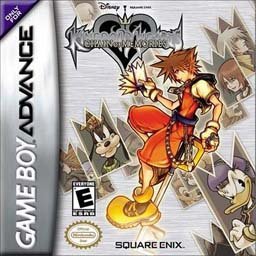
‘Chain of Memories’ is a card-based action role-playing game.
Ever wondered what kind of game is Chain of Memories? It’s a unique title in the Kingdom Hearts series, stepping away from the traditional action combat of the first game. Instead, you navigate a world using a card system that dictates your attacks and movement.
This gameplay twist adds a layer of strategy, requiring you to build decks and plan battles differently than you might expect. Players find themselves managing cards, and reacting to the environment in a distinct way.

What Kind of Game is Chain of Memories?
Okay, let’s dive deep into what kind of game Kingdom Hearts: Chain of Memories really is. It’s not as straightforward as the first Kingdom Hearts game, and it definitely throws a few curveballs. You might go in expecting another action-packed adventure like the original, but you’ll soon find that Chain of Memories has its own special flavor. It’s a mix of things, borrowing ideas from different game types, and it’s this unique blend that makes it both interesting and sometimes a little confusing.
Card-Based Combat: The Core Mechanic
The biggest thing that sets Chain of Memories apart is its card-based combat system. Instead of directly swinging your Keyblade, you’re using cards that represent different attacks, magic spells, and even items. Think of it like building a deck of trading cards, except these cards are used to fight the Heartless. This change has a huge impact on how the game feels and plays. It’s not button-mashing anymore; you need to think strategically about the cards you have and how you’ll use them.
Understanding the Card System
So, how does this whole card thing work? Well, you collect cards by defeating enemies, opening chests, and sometimes by finding them hidden around the world. Each card has a number on it, which represents its strength. When you use a card, it’s added to a “stack,” and the numbers on your cards are very important. When your stack is compared to enemy’s, if your stack’s number is higher, the attack will break the enemy attack, and vice-versa. Understanding this mechanic is essential to your success in this game.
- Attack Cards: These are your basic Keyblade attacks, often with different animations and damage values.
- Magic Cards: These allow you to cast spells like Fire, Blizzard, and Cure, just like in the original game, but represented with cards.
- Item Cards: These cards let you use potions and other helpful items.
- Enemy Cards: These cards, when used, provide you with special effects or abilities during combat.
There’s also something called “sleights.” These are special moves that you perform by playing a specific combination of cards in a row. Some sleights are incredibly powerful, and knowing these combinations can really help you against tough bosses. Learning the right card combination takes practice, and sometimes some experimentation with your cards is required.
Deck Building and Strategy
One of the more engaging aspects of Chain of Memories is the deck-building aspect. You’re not just using random cards you find; you’re actively constructing a deck that works for your play style. You can focus on powerful attacks, magic-heavy combinations, or a mix of both. Figuring out which cards work best together and how they fit into your overall strategy is a key part of the game. It’s almost like playing a collectible card game alongside a action-RPG. This part of the game is very different than any other previous entry in the Kingdom Hearts franchise.
Exploration and Level Design: The World Map
Beyond the card-based battles, the game’s way of handling exploration is also very unique. Instead of wandering through big, open areas, you’re navigating through themed rooms that are connected to each other through pathways. It’s a bit like exploring a maze, with each room containing some enemies, collectibles, or plot progression. You create each room yourself before entering it, using special room cards. The game calls these ‘World Cards’.
World Cards: Shaping Your Journey
Before entering a room, you’ll have to select a world card that determines how the room will look and what kind of challenges you will face. Each world card have a specific effect, changing the type of enemies you’ll face, and the number of cards that are available to you in each room. The cards add a small layer of strategy even before you even step foot inside of each room. Some might have powerful enemies or provide access to rare cards while others might make traversal a bit easier, all depending on what card you chose before entering that room.
- Green Cards: These cards provide rooms with lots of treasure and are useful for grinding for cards.
- Red Cards: These cards provide powerful Heartless, but also give great experience and rewards.
- Blue Cards: These cards provide rooms with item shops, where you can buy and sell cards.
This method of exploration makes each playthrough of a world feel different, and it allows you to control the difficulty of each room. You can choose to play a challenging room that rewards better card drops, or play a safer room for an easier time, giving you flexibility in how you tackle the game.
Story and Narrative: A Bridge Between Games
Chain of Memories is more than just a spin-off or a side story; it’s a crucial part of the larger Kingdom Hearts narrative. It directly follows the first game and sets the stage for Kingdom Hearts II. It follows the journey of Sora and his friends as they climb through Castle Oblivion, where their memories are twisted and manipulated. The game introduces several characters that are very important to the series, and also explores the ideas of memories and how they effect the characters. Its story is very important for understanding the plot of the series.
Key Plot Points
The story in Chain of Memories isn’t just about finding your way out of a castle; it’s a deep dive into the themes of memory, identity, and the power of the heart. The characters face their past and their deepest fears, and the game explores some heavy topics, even though it uses cartoonish character design. Even if the gameplay system is a bit different, the story is as meaningful as any of the main entries in the franchise.
RPG Elements and Progression
Although the combat is card-based, Chain of Memories still has core RPG elements. Sora gains experience by fighting enemies and will level up, improving his health and attack stats. You can upgrade your deck with better cards, and even unlock new abilities by playing through the game. Although it is not traditional, you are still progressing your character, making the game more like a RPG than just a deck builder. This gives the game that Kingdom Hearts feel, and makes the gameplay loop feel rewarding.
Managing Your CP
Another factor in building your deck, is the CP or card point system. Each card will cost CP to add it to your deck, so you can’t just add every card you find, you have to manage how much space you have. Each time your character levels up you’ll gain more CP, and this makes sure you never have a too strong of a deck. This system also gives an added layer of strategy, making you decide which cards you want in your deck.
Re:Chain of Memories: Enhancements and Remake
It’s worth mentioning that Chain of Memories was remade as Kingdom Hearts Re:Chain of Memories. This remake features a number of improvements and enhancements, making it a much more accessible experience for new players. It uses updated graphics and voice acting, while retaining all the key gameplay aspects. If you’re thinking of playing it for the first time, Re:Chain of Memories is the way to go, as it adds a lot of things to make the game much smoother and player friendly.
Key Differences in the Remake
- Improved Graphics: The remake makes the game look and feel much more modern.
- Voice Acting: The remake added voice acting, making it more immersive.
- Adjusted Gameplay: Minor tweaks and adjustments were made to improve the overall gameplay experience, making it more enjoyable for players.
So, to sum it up, Kingdom Hearts: Chain of Memories is a unique blend of card-based combat, exploration through room-based maps, and classic RPG elements, all while maintaining a story that’s crucial to the Kingdom Hearts universe. It’s not just another Kingdom Hearts game; it’s something special and different, and it deserves your attention if you are a fan of the series.
Ultimately, understanding what type of game Chain of Memories is, helps players approach it with the right mindset. It is a game that rewards planning and strategy, and while it may seem intimidating at first, it is a very fun and rewarding experience for both veteran fans of the series and new players. Even if card games seem like something you don’t like, Chain of Memories is a special case, as it provides some interesting and deep gameplay mechanics. In conclusion, Chain of Memories offers a unique and compelling take on the action-RPG genre, and is a must play for any fan of the Kingdom Hearts series.
Kingdom Hearts Story Recap! (KH1 & Chain of Memories)
Final Thoughts
Chain of Memories blends action RPG combat with a card-based system. This hybrid approach requires strategic deck building, making it more tactical than a pure action game. It is a different experience from other Kingdom Hearts titles.
Ultimately, what kind of game is Chain of Memories, it’s a unique card-action RPG. The core gameplay loop involves managing a deck of attacks and abilities. Players must carefully plan their moves, since combat uses these cards as their main arsenal.

