
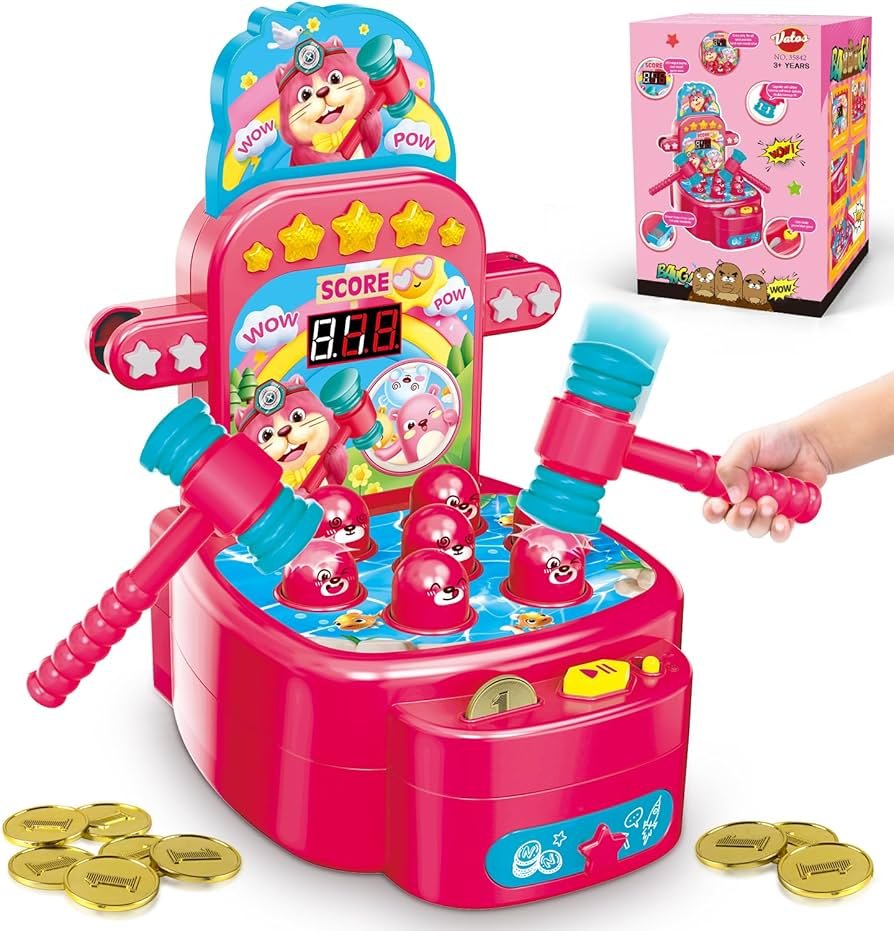
Seven-year-olds currently enjoy a mix of video games with simple controls, creative building games, and engaging board games that encourage social interaction.
Figuring out what kind of games do 7 year olds like now can be a bit of a puzzle. Their interests seem to change almost daily! One day they are into building digital worlds, the next day they might be captivated by a card game.
It’s clear that games that are easy to grasp, but still offer a challenge are popular. Also, anything with bright colors and fun characters tends to catch their attention. They crave experiences they can enjoy with friends or family.

What Kind of Games Do 7 Year Olds Like Now?
Seven-year-olds are at such an exciting stage! They’re not quite little kids anymore, but they’re still very much into play and having fun. Figuring out what kind of games they enjoy can be a bit of a puzzle, though, because their interests are expanding rapidly. Let’s dive into the world of games that capture the attention of seven-year-olds these days. This age is often filled with a mix of imagination, growing social skills, and a developing sense of strategy, so the games they enjoy reflect this mix.
The Digital Domain: Video Games and Apps
Let’s face it: technology is a big part of modern childhood. Video games and apps have a huge draw for kids this age, and there’s a wide variety of options available. The key is finding games that are both fun and age-appropriate. We’ll explore the most popular genres, their appeal to this age group, and how to navigate screen time.
Popular Video Game Genres for 7-Year-Olds
When it comes to video games, seven-year-olds tend to gravitate towards certain types of gameplay that match their developmental stage:
- Platformers: Think games where you jump, run, and explore different levels. These are classic for a reason! The simple mechanics and colorful visuals make them easy to pick up, while the sense of achievement as you progress keeps kids engaged. Popular titles often feature recognizable characters, which also greatly adds to the enjoyment.
- Sandbox Games: Games where you build, create, and explore an open world really capture a 7 year old’s imagination. Minecraft, for example, remains a massive hit due to the freedom it provides. These games allow for creativity and problem-solving, making them more than just entertainment.
- Racing Games: Driving games, especially those that are cartoonish and not overly realistic, are a lot of fun for this age. The sense of speed and competition is something that many kids enjoy. Many racing games have power-ups or other fun elements that add to the excitement.
- Simulation Games: Games where kids can “play house,” manage a farm, or take care of pets are always popular. These games tend to appeal to their nurturing side and encourage role-playing.
- Puzzle Games: These can be simple to complex and help improve problem-solving skills. Games that offer visual puzzles are especially engaging for this age. They find satisfaction in figuring things out and seeing the solution.
Educational Apps and Games
Many apps and video games now cleverly blend education with fun. These are great for practicing skills learned in school, like reading, math, or spelling. The interactive nature of these games makes learning feel less like a chore and more like a fun challenge. Here are some key features that make educational apps appealing:
- Adaptive Difficulty: These apps adjust the level based on how the child performs, ensuring they stay challenged but not overwhelmed.
- Gamified Learning: Adding points, badges, and rewards keeps kids motivated and engaged.
- Focus on Core Subjects: They often concentrate on math, reading, and science in a fun and interactive way.
- Interactive Storytelling: Interactive books and stories that allow kids to make choices within the narrative are popular.
Navigating Screen Time
It is important for parents to ensure that screen time is balanced with other activities. Here are a few tips for handling screen time for 7-year-olds:
- Set Time Limits: Establish clear rules about how much time your child can spend on screens each day.
- Choose Age-Appropriate Content: Regularly review the games and apps your child is using.
- Encourage Active Play: Make sure that gaming time is balanced with plenty of outdoor play and physical activity.
- Engage Together: Play games with your child to understand what they are playing, and also to enjoy together
The Timeless Allure of Board and Card Games
While digital games are popular, board and card games continue to hold a special place in the hearts of many 7-year-olds. These games foster social interaction, strategic thinking, and good old-fashioned fun away from screens. Let’s examine the types of games that capture their interest.
Board Games for Developing Skills
Board games aren’t just fun; they are also valuable tools for skill development. They encourage patience, strategy, and friendly competition. Here are a few popular choices among kids in this age bracket:
- Classic Board Games: Games like Candy Land, Chutes and Ladders, and checkers are still favorites. They’re easy to learn, and most 7-year-olds can understand the rules.
- Strategy Games: Games that involve more planning and thinking ahead, like chess or simpler strategy games, are appealing to this age group as they develop their logical thinking skills.
- Cooperative Games: These encourage kids to work together towards a common goal. They are excellent for promoting teamwork and communication.
- Creative Board Games: Some games involve drawing, storytelling, or acting which are great for creative minds.
The Magic of Card Games
Card games are great for portability and quick, fun sessions. They also improve memory, math, and pattern recognition skills. Some popular choices include:
- Matching Games: Simple memory games with picture cards are enjoyable and help develop memory.
- Number Games: Games like Uno and Skip-Bo are good for reinforcing number recognition and basic math.
- Simple Card Games: Games like “Go Fish” or “Crazy Eights” remain popular choices and are easy to learn.
- Trading Card Games (TCG): While these can be more complex, simplified versions or kid-friendly TCGs are enjoyed for the collecting and trading aspects.
Why Board and Card Games Still Matter
Despite the digital age, board games and card games continue to be popular because of:
- Social Interaction: They promote face-to-face interaction and communication skills.
- Family Bonding: They provide a great way for families to spend time together.
- Skill Development: They enhance critical thinking, problem-solving, and strategic planning abilities.
- Screen-Free Fun: They offer a welcome break from technology, encouraging a healthy balance.
The Great Outdoors: Active Play and Physical Games
It’s vital for 7-year-olds to have time for physical play. Active games help with physical development, improve coordination, and promote overall well-being. Let’s see what outdoor and active games capture their interest.
Classic Outdoor Games
Some games are classics for a reason; they are timeless and enjoyable for generations. A few of them include:
- Tag: This simple game of chasing is always a hit, and it’s great for cardio.
- Hide-and-Seek: This game uses both physical agility and some simple strategy.
- Kickball: A great game that gets everyone involved and active.
- Jump Rope: Simple, inexpensive, and a fun way to improve coordination and fitness.
Team Sports and Activities
For kids who enjoy competition and teamwork, team sports and structured activities are great options. Here are a few that are popular with 7-year-olds:
- Soccer: Very popular among younger kids for its easy-to-understand rules and running involved.
- Basketball: Promotes hand-eye coordination, teamwork, and running.
- Swimming: A great way for full body exercise and it is enjoyed by most kids.
- Cycling: Bike riding is great for both fun and fitness and can be a great family activity too.
Imaginative Play Outdoors
Often times, kids create their own games out of simple activities outdoors. Kids make up rules and make-believe scenes. This type of play is very important for development and also promotes creativity. Some simple outdoor activities include:
- Building forts or structures: Using branches, leaves or other materials to build a small house or fort
- Nature scavenger hunts: Looking for different types of leaves, insects, or other natural materials.
- Pretend play: Pretending to be pirates, adventurers, or superheroes.
Benefits of Active Play
It is very important for kids to have time for physical activities for many reasons including:
- Physical Health: It helps kids stay active and develop their motor skills.
- Social Skills: It promotes teamwork, cooperation, and communication with others.
- Mental Well-being: Outdoor time reduces stress and boosts mood.
- Creativity and Imagination: It fosters imaginative play and creative problem-solving.
The Power of Pretend Play and Imaginative Games
Seven-year-olds still have active imaginations, and pretend play continues to be a favorite. It’s a great way to explore different roles, express emotions, and develop creativity. Let’s see what types of imaginative games they enjoy.
Role-Playing Games
Pretend play where kids assume various characters is always a hit at this age:
- Playing House: Acting as parents, siblings, or even pets.
- Superheroes: Pretending to be characters with special powers and abilities.
- Doctors and Nurses: Pretending to care for others.
- Teachers and Students: Reenacting classroom situations
Creative Storytelling Games
Games that encourage storytelling and imagination are really good for this age group:
- Storytelling Games: Making up stories as they play.
- Puppet Shows: Using puppets to act out scenes or stories.
- Drawing and Acting: Drawing their own characters and acting out the story they create.
Building and Construction Games
Building things using blocks, legos or other building materials continues to fascinate kids at this age. They are more likely to get involved in complex building projects. These kinds of games improve problem-solving abilities and foster creativity. A few things they might enjoy include:
- Building with blocks: Creating buildings, spaceships or anything they can imagine.
- Lego challenges: Building based on set prompts or challenges.
- Construction sets: Using building sets to build different structures.
The Significance of Imaginative Play
Imaginative and pretend play still continues to be an important part of development for a 7-year-old:
- Emotional Development: It allows kids to act out their feelings and explore emotions.
- Social Skills: It helps kids learn to cooperate, negotiate, and communicate with others.
- Cognitive Skills: It promotes creative thinking and problem-solving skills.
- Language Development: It enriches vocabulary as they communicate and act out stories.
Crafts and Creative Activities: Making and Doing
Kids this age like the satisfaction of creating something themselves. Craft activities are a great way for kids to express their creativity and develop fine motor skills. Let’s look at some popular craft and creative activities.
Drawing and Painting
From simple drawings to more complex paintings, they enjoy expressing their creativity through art. Some popular activities are:
- Free drawing: Letting their imagination guide what they draw.
- Coloring books: Using various art supplies to fill in coloring pages.
- Painting: Using different art forms like finger painting, watercolor or acrylic painting.
- Creating comics and cartoons: Making their own stories in the form of comics.
Craft Projects
Craft projects that involve making something with their hands are also very enjoyable:
- Making cards: Creating cards for friends and family.
- Creating friendship bracelets: Making and sharing friendship bracelets.
- Building models: Building model airplanes, cars or any other type of model they find interesting.
- Jewelry Making: Creating and wearing their own jewelry.
The Benefits of Creative Activities
Craft and creative activities are a fun way to learn and develop in many ways including:
- Fine Motor Skills: It helps improve hand-eye coordination and dexterity.
- Creativity: It provides an outlet for creativity and self-expression.
- Problem-Solving Skills: Figuring out how to make something new builds problem-solving abilities.
- Patience and Focus: Completing a craft project teaches patience and encourages concentration.
The Enduring Appeal of Storytelling
Storytelling continues to be a key component of a 7-year-old’s world. Whether it is listening to stories being read, or making up their own stories, storytelling remains a favorite way for kids to engage and learn.
Reading and Listening to Stories
Reading and listening to age appropriate books, stories and audio books is a great way to get kids engaged and learn:
- Chapter Books: Beginning to explore slightly longer books that tell a longer story.
- Graphic Novels: A great way to get kids engaged in reading through picture-based stories.
- Audio Books: Enjoying listening to stories, sometimes while doing other activities.
Telling and Creating Stories
Encouraging kids to create and tell their own stories is a great way to foster creativity:
- Storytelling Games: Using games and prompts to make up creative stories.
- Writing and Illustration: Creating and writing their own stories and drawing pictures to go with them.
- Acting out stories: Using their imagination to act out their own made up stories.
Why Storytelling Matters
The power of storytelling is immense and continues to be a valuable tool for child development in many ways:
- Language Development: It enriches vocabulary and language skills.
- Imagination and Creativity: It sparks imagination and creative thinking.
- Emotional Understanding: It helps kids understand different emotions and perspectives.
- Concentration: It helps build listening skills and attention span.
In conclusion, seven-year-olds enjoy a wide variety of games and activities that support their development and growing interests. From digital games and apps, to outdoor activities and creative crafts, there’s plenty of ways to keep them engaged, entertained, and learning. The most important thing is to find a balance that meets their interests and developmental needs, and to encourage them to try different things. By keeping a broad view of their interests and supporting both screen time and off-screen activities, you will be able to find the perfect game for your child to enjoy.
Learning Games for 7 and 8 Year Olds
Final Thoughts
Seven-year-olds enjoy a variety of games, especially those with engaging characters and simple rules. They often gravitate towards action-packed adventures on consoles or mobile devices. Games that encourage creativity and building, like Minecraft, remain incredibly popular.
Many 7-year-olds also like playing interactive board games with family and friends, and digital options with social play elements. Ultimately, what kind of games do 7 year olds like now includes a mix of digital and physical experiences. The focus is on fun, social interaction, and easy gameplay.

