
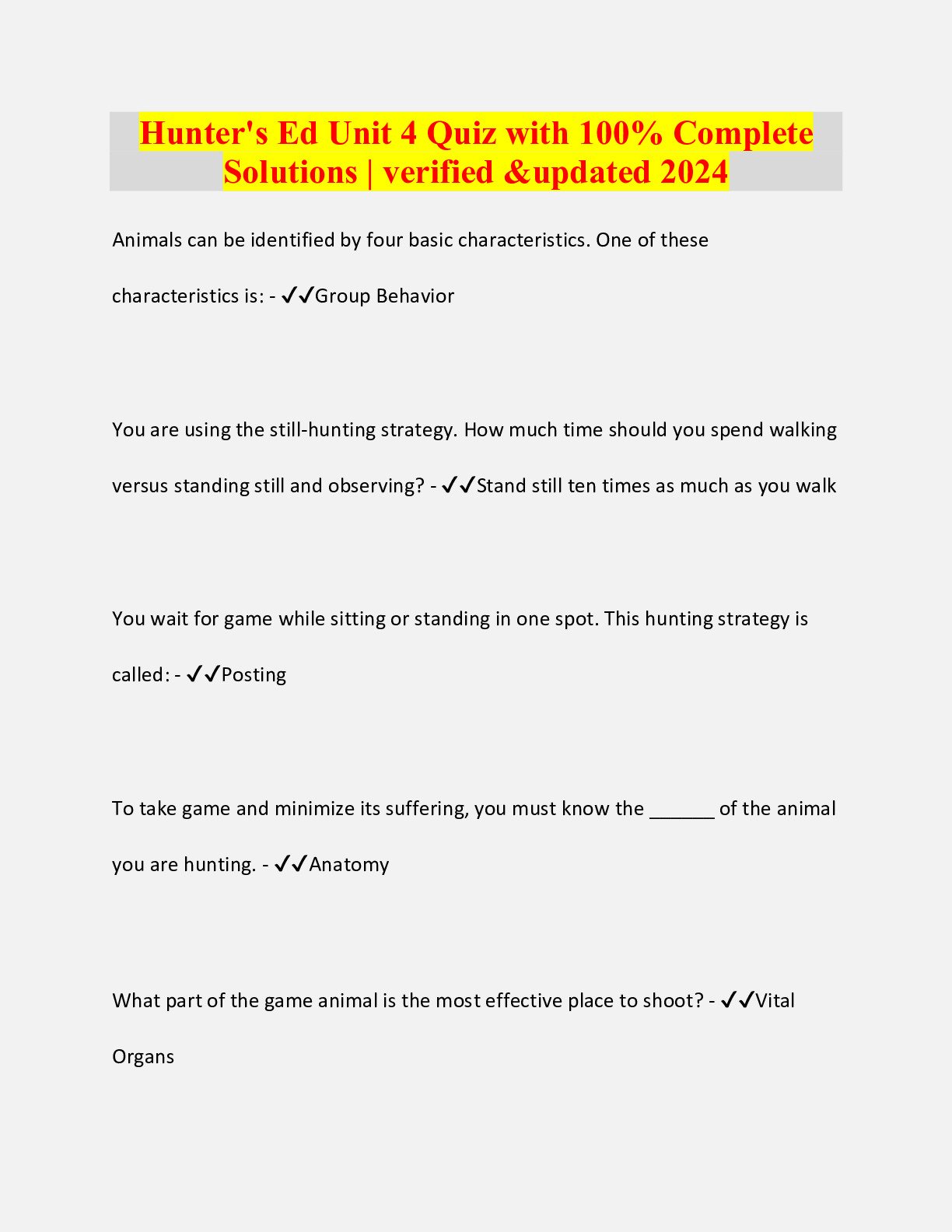
The most effective part of the game animal to target depends greatly on the specific animal and the hunter’s goals, but generally, the vital organs located in the chest cavity, specifically the heart and lungs, are considered the most effective target for a quick and ethical kill.
When you consider hunting, what part of the game animal is the most effective quickly rises in importance. It’s a key question for every hunter seeking to make an ethical shot. This is why it is important to understand the anatomy of the animal being hunted.
Knowing which areas of the game animal to aim for can make all the difference between a successful hunt and a missed opportunity. Accuracy, and understanding the anatomy, contributes to both ethical hunting, and quick kills.

What Part of the Game Animal is the Most Effective?
Okay, so you’re thinking about hunting, and you want to know the secret – where to aim for the quickest, most effective shot. It’s a very important question, and the answer isn’t just one place. It really depends on a few things, like what animal you’re hunting, what kind of weapon you’re using, and the situation you find yourself in. We’re going to break it all down so you have a better understanding of how to ethically and successfully harvest game. Remember, the goal is always to take an animal cleanly and with respect.
The Vital Zone: Where it’s All Important
When hunters talk about the “vital zone,” they mean the area of the animal’s body that holds all the really important organs. Think of it like the engine of a car. If you hit that part, the car isn’t going to go very far. For most animals, this zone is in the chest cavity, right behind the front shoulder. This area includes the heart and lungs, which are super important for an animal to live. A solid hit here will cause an animal to expire quickly, which is a main consideration for ethical hunting practices.
Heart Shots
Hitting the heart is usually a very effective way to drop an animal quickly. The heart pumps blood throughout the body. When you damage the heart, the blood can’t flow right, and the animal loses consciousness fast. Imagine a water pump getting clogged, it just can’t do its job properly. Heart shots, while very effective, require a very accurate shot placement due to the smaller size of the heart compared to the lung area.
Lung Shots
Lungs are also inside the vital zone and they are large targets. Animals need their lungs to breathe, just like we do. When you hit the lungs, the animal can’t get enough oxygen. This causes the animal to lose consciousness and expire very quickly. A well placed shot to the lung area is a very good shot to have due to the large target area.
The Brain: A Small but Powerful Target
Some hunters choose to aim for the brain. This is a very small target, so you need to be super accurate. If you hit the brain, the animal will expire immediately, that’s why this shot is a sure stopper. Brain shots are very effective, but are very hard shots to make because of the small size of the target. Most of the time the brain is a target that requires experience, and in most of the hunting situations, we recommend that you try to focus on other parts of the body that has larger targets.
Why Brain Shots are Tricky
Brain shots aren’t easy, because the brain is a small target that moves around a lot. Animals move their heads constantly. You need a very stable shooting position, good aim, and a calm animal to take a good brain shot. If you are not very accurate or skilled in taking a brain shot then it is not the shot to take.
Other Less Effective Areas
There are other areas you could hit on an animal, but they aren’t as good. These include the legs, neck, belly, and back.
Leg Shots
A leg shot is not going to be a quick finish. While it will hurt the animal and slow it down, it doesn’t often lead to a quick and ethical harvest. It’s also much more likely to cause the animal to get away wounded, which is something we want to avoid. Leg shots should not be taken unless the only other choice is not to shoot.
Neck Shots
Neck shots can work, if you hit the spinal cord in the neck, but there’s not very much of the spinal cord to hit. A neck shot that misses the spinal cord can make the animal get away wounded and is never a very good shot to take. Most of the time a neck shot will only be a flesh wound and the animal will most likely escape.
Belly Shots
A belly shot is a bad idea. It will cause a lot of suffering and the animal will take a long time to expire. You could also damage organs which are not vital which can lead to more suffering. Never aim for the belly.
Back Shots
Back shots often result in the same issues as belly and leg shots. Hitting the spine can work, but it’s not reliable. A non-spinal back shot is just going to wound the animal and cause suffering.
Different Animals, Different Considerations
Okay, so we know the vital zone is generally the chest area. But, the size and shape of that zone can vary depending on the type of animal you’re hunting.
Deer and Similar Animals
For deer, elk, and similar animals, a good shot is right behind the front shoulder, about halfway up the chest. This will hit the heart and lungs, and cause a very quick expiration.
Smaller Game
For smaller animals like rabbits or squirrels, the vital zone is still the chest, but it’s much smaller, so you need to be more precise.
Birds
For birds, you’re aiming for the chest as well. Sometimes a headshot is used, but you need to be very accurate.
The Weapon You Use Matters
The type of weapon you’re using can also affect where you should aim.
Rifles
With a rifle, you have more range and power, so a lung shot or heart shot in the vital zone is a great choice for many animals. The rifle is accurate and delivers the power you need to effectively drop an animal.
Shotguns
Shotguns are better for closer ranges and are very good for birds or smaller game. The spread of the shot makes the vital zone easier to hit. The pellets can damage many vital organs.
Bows and Arrows
When using a bow, you need to be very accurate. The shots are not as fast or powerful as a bullet, so you need to make sure to have a good hit in the vital zone.
Shot Placement and Ethical Hunting
Ultimately, the most important thing about shot placement is doing your best to make a quick, clean harvest. This is a big part of being an ethical hunter. If you are not confident that you can hit the target zone, then you should not take the shot.
Know Your Limits
It’s important to understand your own skill level and limitations. If you’re not comfortable taking a certain shot, don’t do it. Don’t shoot until you are absolutely sure of your shot.
Practice Makes Perfect
Practice your shooting skills before you head into the woods. Go to the range, or set up targets on your property and practice. The better you shoot, the better your shot placement will be.
Be Patient
Patience is very important in hunting. Don’t rush a shot. Wait for a good opportunity for an ethical shot. Don’t take a rushed shot, because a bad shot could lead to a wounded animal which we want to avoid.
Follow Up
After taking a shot, watch what happens. See if the animal goes down immediately. If you don’t see a clean down or have a question about your shot, follow it up to be sure that the animal is expired. Do not give the animal the opportunity to suffer.
Factors that affect shot placement
Several factors can affect shot placement. Understanding these will help you improve the quality of your shot:
Distance
The distance to the animal can affect accuracy. The farther away, the harder it is to be precise. Know your distance limitations for your equipment.
Angle
The angle at which the animal is standing also affects shot placement. A perfect broadside shot is the best, while an angled shot can make the vitals harder to reach.
Environment
Things like weather, light, and terrain can also make a big difference in your shot placement. Wind can drastically alter your shots, so know your limitations.
Animal Movement
Animals don’t always stand still. They move. Be sure of your shot and take it when the animal is standing still. If it’s moving, it will be more difficult to make a good shot.
Making the Decision: Aim for the Vitals
When it comes down to it, aiming for the vital zone is the best choice for a quick and ethical harvest. This is the goal for all hunters. Knowing the animal’s anatomy, understanding your weapon, and being patient will help make you a responsible hunter. Remember that quick, humane harvests are what all responsible hunters should strive for.
Remember that, while it can be very tempting to aim for a head shot to drop an animal immediately, the size of the target makes it harder to hit, and could lead to a wounded animal. Focus on the larger target of the vital zone which has the heart and lungs and you will be in better shape to make an ethical harvest. The vitals, when hit, will bring down the animal fairly quickly and prevent any unnecessary suffering.
So, there you have it. The most effective part of a game animal to aim for is the vital zone – the area of the chest holding the heart and lungs. This is the area where you will quickly harvest game. Practice your aim, understand your weapon, and always prioritize an ethical shot. Happy hunting!
HUNT 10,000+ Animals With This GUIDE! – TheHunter: COTW
Final Thoughts
The vital organs, specifically the heart and lungs, present the most effective area for ethical and quick kills. A well-placed shot here causes rapid blood loss, leading to humane dispatch of the animal. This minimizes suffering.
For the most effective hunt, precise shot placement is essential. Understanding the anatomy of your target is critical. This knowledge helps answer the core question: what part of the game animal is the most effective. It directly relates to ethical hunting practices.

