
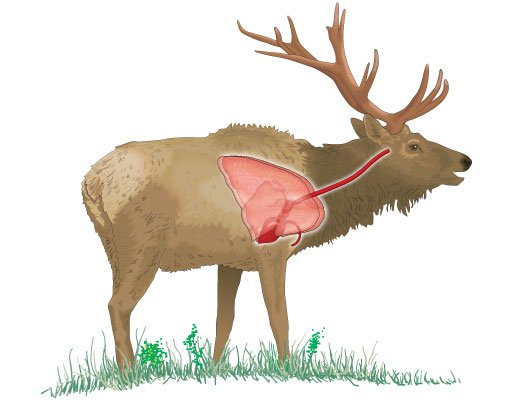
The most effective shots for big game target vital organs, particularly the heart and lungs, within the animal’s chest cavity.
Choosing the correct shot placement is paramount for ethical and efficient big game hunting. Understanding anatomy plays a key role in determining what shots are most effective for big game. A well-placed shot ensures a quick and humane harvest.
Aiming for the area just behind the shoulder, allows for the most effective shots for big game, hitting the heart-lung area. This also avoids hitting heavy bone which can deflect your bullet and wound an animal instead of killing it quickly. Proper shot placement greatly contributes to conservation efforts, with minimal suffering.

What Shots Are Most Effective for Big Game
When you’re hunting big game, knowing where to aim is super important. It’s not just about hitting the animal; it’s about making a clean, quick, and ethical shot. This means understanding the animal’s anatomy and knowing which areas are most vital. Think of it like a puzzle – you need to know the right pieces to put in the right places. Let’s break down the best shot placements so you can be a responsible and effective hunter.
Understanding Big Game Anatomy
Before we talk about specific shots, let’s learn a little about big game anatomy. It’s like studying a map before a big trip. Understanding where the vital organs are located will help you make better decisions in the field. Different animals will have slight variations, but generally, the key areas are the heart, lungs, and brain. These organs are the most critical for survival. Hitting these quickly takes down the animal in a humane manner.
The Vital Triangle
Imagine a triangle on the animal’s chest. This is where most of the vital organs are packed together. The base of the triangle runs along the bottom of the chest. The top point reaches up towards the shoulder. This “vital triangle” includes the heart and lungs, and striking this zone usually results in the quickest and most ethical kill.
- Heart: Located towards the lower part of the chest. A direct hit will cause rapid blood loss, leading to quick incapacitation.
- Lungs: They occupy most of the chest cavity. A lung shot will cause the lungs to collapse and cause the animal to lose oxygen, often leading to death in a short time.
Other Important Areas
- Spine: Running along the back of the animal, the spine contains the spinal cord. A shot that breaks the spine can cause an instant drop, but it’s a more difficult target to reliably hit compared to the heart and lungs.
- Brain: This is a very small target located in the head. A brain shot results in instant incapacitation. However, it is also a high-risk shot due to the small target area and potential for a miss resulting in a painful wound.
Optimal Shot Placements
Now that we know the important areas, let’s talk about the most effective shots. Remember, you should always aim for the largest and most reliable vital zone while considering the angle and your own skill level. Think of it like choosing the best road for your journey – sometimes the most direct route isn’t always the easiest.
The Broadside Shot
The broadside shot is considered the most ethical and effective shot for big game. This is when the animal is standing perpendicular to you, presenting the largest possible target area for the vital triangle. It provides a clear view of the chest cavity, making it much easier to hit the heart and lungs. It is often regarded as the gold standard in hunting.
Key features of a broadside shot:
- Large target area
- Clear view of the heart and lungs
- High chance of a quick, humane kill
How to Aim a Broadside Shot:
Aim for the center of the chest, just behind the front shoulder. Visualize that vital triangle we talked about. If the animal is angled slightly forward or back, adjust your aim a little to make sure you’re still within that vital zone.
The Quartering-Away Shot
The quartering-away shot is when the animal is angled away from you, with its rear end closer and its shoulder further away. This shot is also considered a high-percentage shot if executed correctly, because it offers a path to the vital organs as well. It’s like having a slightly angled view of a building, but still seeing where the main entrances are.
Key features of a quartering-away shot:
- Angle allows for penetration through vital organs
- Slightly smaller target area compared to broadside
- Requires a little more precision, but still very effective
How to Aim a Quartering-Away Shot:
Your aiming point should be a little further forward than for a broadside shot. Aim for the opposite shoulder from where you are, imagining that the bullet needs to travel through the chest cavity towards the heart/lungs. This ensures that your bullet passes through vital tissue.
The Quartering-To Shot
The quartering-to shot is when the animal is angled towards you. This is a more challenging shot because it presents a smaller target and requires more bullet penetration to reach the vitals. Think of it like trying to hit the target from the front of a building with limited view.
Key features of a quartering-to shot:
- Smaller target area compared to broadside and quartering-away
- Requires good bullet penetration
- Higher risk of a non-lethal hit if not precise
How to Aim a Quartering-To Shot:
Aim for the center of the chest. To get to the vitals the bullet should travel through the shoulder muscle. This shot requires more power and precision. Due to the higher risk, its important to only take this shot if you are extremely comfortable and confident. Consider passing this shot if a better option is available.
The Frontal Shot
The frontal shot is when the animal is facing you directly. This shot is generally considered high-risk and is typically only advised for finishing off an already wounded animal to minimize its suffering. A frontal shot can be hard to do properly and if not placed correctly, it can end up being inhumane. If you’re not confident in hitting the small area, then it’s best to avoid.
Key features of a frontal shot:
- Small target area (typically head or chest)
- Requires a great deal of precision and penetration
- High chance of a non-lethal shot if missed
How to Aim a Frontal Shot:
If you must take this shot, aim for the center of the chest at the base of the neck for a heart shot, or the brain. Be aware that head shots carry high risks of misses and need careful thought. If the animal is charging, the center chest is often the easiest shot to make.
The Rear Shot
The rear shot is when the animal is facing directly away from you. This should be avoided at all costs. It does not offer a path to the vitals, and will most likely result in a very non-lethal hit. There is a very high chance of only hitting the hind quarters and/or the intestines. This causes the animal to suffer without being killed effectively. This shot is considered unethical and should not be attempted.
Factors Affecting Shot Effectiveness
Many factors can influence how effective your shot is. It’s not just about aiming; you need to consider other variables, like your environment and your equipment.
Range
How far away you are from the animal matters a lot. As distance increases, it becomes harder to shoot accurately due to bullet drop, wind drift, and the potential for errors. It is always best to get as close to the animal as safely possible to allow for a high success rate.
How to Account for Range:
- Know the effective range of your firearm and ammunition.
- Practice at various distances to understand how your equipment performs.
- Use a rangefinder to determine the exact distance to your target.
Shooting Angle
We’ve discussed some shot angles already, but they really play a big role. The angle at which you take a shot can affect how well your bullet penetrates and whether it reaches vital organs. Remember the “vital triangle”. It’s always important to try and keep your shot within this area when at all possible.
How to Approach Angles:
- Choose shots that offer the best penetration to vital organs.
- Adjust your aim point based on the angle of the animal.
- Be patient and wait for a good shot.
Bullet Performance
The type of bullet you use can also impact your shot’s effectiveness. Some bullets are designed for penetration, while others are meant to expand quickly on impact. Always select the appropriate bullet type for the game you’re hunting. Using a bullet that is too light or not appropriate could result in failure.
How to Choose the Right Bullet:
- Research bullet performance on the game you intend to hunt.
- Select a bullet that offers good penetration and sufficient energy transfer.
- Consult with experienced hunters or experts at your local sporting good store.
Hunter Skill and Experience
Your skill and experience are crucial to your success. The best shot in the world won’t matter if you can’t consistently hit your mark. Practice is needed to make sure that you’re up for the task.
How to Improve Your Skill:
- Practice regularly at a shooting range, focusing on accuracy and consistency.
- Work with a qualified shooting instructor to improve your technique.
- Become familiar with your firearm. Know its strengths and limitations.
Ethical Considerations
Hunting ethically is extremely important. This includes respecting the animal and ensuring a quick, clean kill. This includes making sure that you take the shots that offer the best possible chance of hitting the vital organs.
Prioritize a Humane Kill
Taking a shot at long ranges can cause misses and wound animals. Wait until you have the perfect opportunity to take the best possible shot. When you make a shot, you want to ensure a quick and ethical kill.
- Always wait for a good shot opportunity
- Aim for vital organs (heart/lung region).
- If a follow-up shot is needed, do it quickly and safely.
Knowing Your Limits
Recognize your skill level and avoid shots that you aren’t comfortable with. If you are not confident with the shot, it’s best to pass and wait for a better opportunity. Trying to do too much may lead to an ethical problem.
- Avoid long-range shots if you lack experience.
- Avoid difficult angle shots if not confident in your ability.
- Be patient and wait for the ideal shot.
Proper Shot Placement is Key
Taking time and care to ensure proper shot placement is a key factor in making ethical kills. If you are rushing, it could mean that your shot may not hit its mark. Remember, the goal is to harvest the animal quickly and humanely. Understanding your shot placement will help you in this process.
- Always aim for the heart and lungs
- Avoid unnecessary suffering.
- Practice and continue to learn.
In closing, aiming for the vital organs – heart, lungs, and, in specific circumstances, the brain – is critical for a clean, ethical kill. The broadside and quartering-away shots are generally considered the most effective. Always consider the range, angle, bullet type, and your own skill level. Prioritize making a clean kill and always hunt ethically. With careful preparation and understanding, you can enjoy a successful and responsible hunting experience.
This Will Drop a Deer Instantly
Final Thoughts
Heart and lung shots are the most effective for quickly and humanely taking down big game. These vital areas provide the largest targets, and damage to them leads to rapid blood loss. A well-placed shot through these organs is crucial for a successful hunt.
A brain shot is effective, but extremely small target, so it is only suggested to experienced hunters. Always aim for ethical and efficient kills when hunting large animals. Understanding what shots are most effective for big game ensures a humane outcome.

