
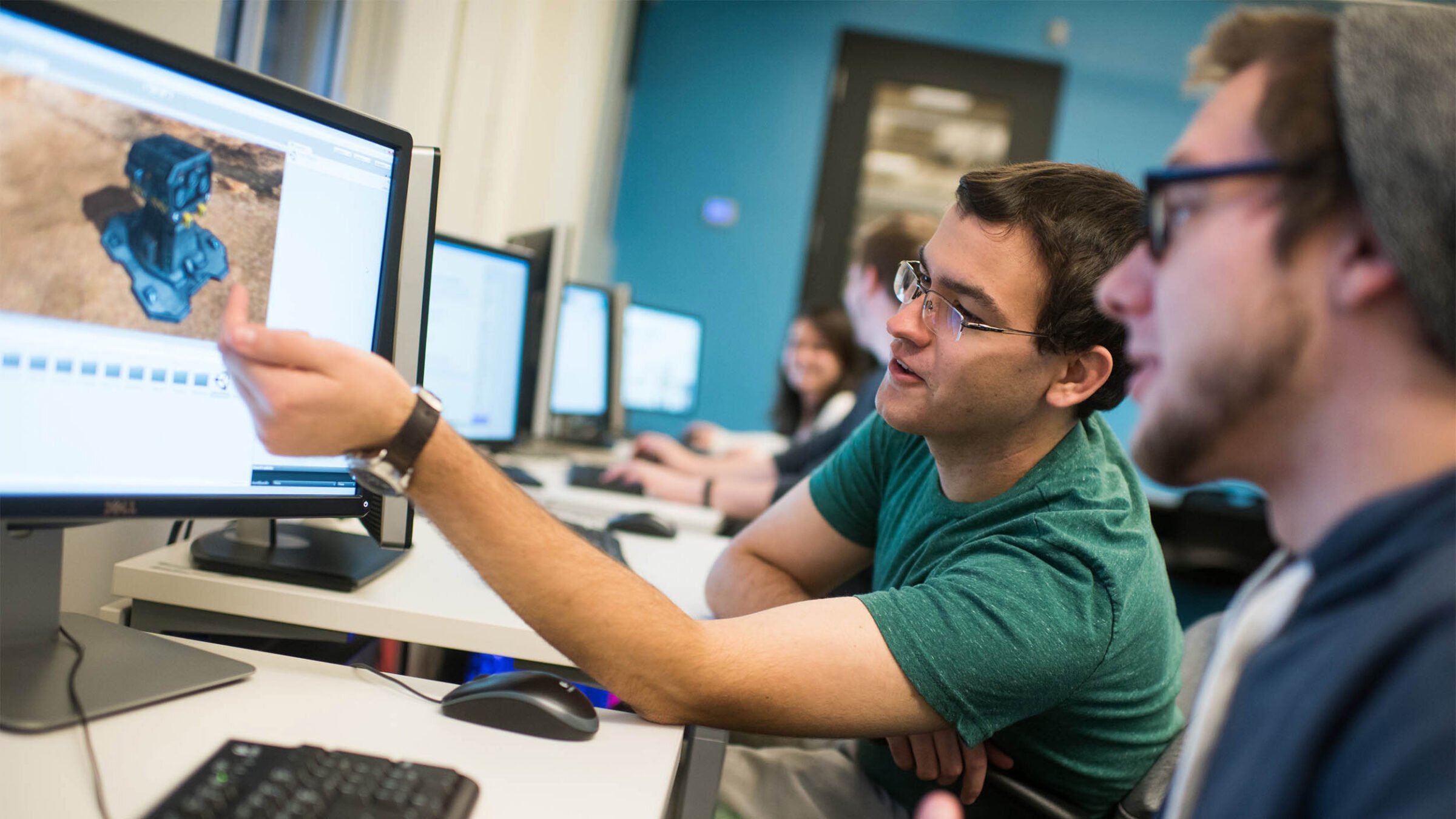
Game productions encompass the entire process of creating a video game, from initial concept to final release.
Ever wondered how your favorite virtual worlds come to life? The journey of a game from a mere idea to a polished, playable experience is fascinating. A game productions involves many talented people, each playing a vital role in this process.
This includes designers crafting engaging mechanics, artists creating stunning visuals and programmers writing the code. It’s a complex and creative endeavor with many different stages. We’ll explore the magic behind how these games are developed.

Understanding the World of Game Productions
Making a video game is a big job! It’s not just one person sitting in a room and magically creating something fun. It’s actually a team effort, and a lot of different things have to happen to bring a game to life. This process is called game production. Think of it like building a house: you need architects, construction workers, plumbers, and electricians. Game production is similar, but instead of bricks and pipes, they use code, art, and music.
The Core Stages of Game Production
Game production, like a long journey, goes through several key steps. Each step has its own goal, and each one is super important for the final game. Let’s check out the core stages that most games go through:
- Pre-Production: This is the planning stage. The team decides what kind of game they want to make. They come up with the story, the characters, the game rules, and even start sketching out how everything will look. It’s like planning a trip – you figure out where you want to go and what you’ll do before you pack your bags.
- Production: This is where the actual game gets made. Artists create the characters and the world, programmers write the code to make everything work, and musicians make the music and sound effects. It’s like the construction phase when the house is being built. This is where the project really takes shape.
- Testing: Once the game is built, it needs to be played! Testers play the game to find bugs or parts that aren’t fun. They help make the game better by reporting problems to the developers. It’s like a quality check to make sure everything is safe and working properly before the house is ready.
- Post-Production: Even after the game is finished, there’s still work to do. This includes making sure that the game is ready to be sold, creating marketing materials, and maybe even adding new content later on. It’s like putting the finishing touches and landscaping around the new house.
These stages are not always exactly the same for every game, but the overall structure is similar. It helps make sure the game has a solid structure, is fun to play, and reaches the players successfully.
The Different Roles in Game Development
Many different people with various skills work together to make a game. They are like the team of superheroes, each with their unique skill to complete the mission. Let’s explore some of the key roles:
Game Designers
Game designers are like the architects of the game. They come up with the main idea, the rules, and how the game should feel. They think about how players will interact with the world, challenges they will face, and ways the game will be fun. They write down their ideas in a special document called a game design document.
Game Programmers
Game programmers are the builders who write the code to bring the game to life. They take the ideas from the designers and make them happen on the computer or console. They make the characters move, the world function, and everything interact properly. They use programming languages like C++, C#, or Java.
Game Artists
Game artists create all the visual aspects of the game. This includes the characters, the environment, and all the cool visual effects. They use tools like drawing tablets and special software to make everything look fantastic. They work in 2D or 3D, depending on the game style.
Sound Designers and Composers
Sound designers and composers make the game sound amazing. Sound designers create all the sound effects, like footsteps, explosions, or ambient noise. Composers create all the background music that makes the game more exciting or emotional. They make the game immersive by providing excellent audios.
Game Testers
Game testers are like quality control superheroes. They play the game over and over to find bugs and make sure everything is working properly. They give feedback to the developers so that they can fix any problems. They work like detectives, finding clues to improve the game.
Game Producers
Game producers are like the project managers for game development. They make sure that everyone is working well together and that the game is completed on time and within budget. They handle all the details and communication to keep the project moving smoothly.
Each of these roles is very important and relies on each other, just like the team working on a building project.
Tools and Technologies Used in Game Production
To make games, developers use a variety of tools and technologies. These tools help them with everything from creating artwork to writing code to building the game itself. They are like the special tools used by a builder for better quality work.
Game Engines
A game engine is like the heart of game development. It provides the main structure and functionality that helps make a game easily. Think of it as a special software that contains tools for handling graphics, sounds, physics, and more. It provides a head start instead of building everything from scratch. Some popular game engines include Unity, Unreal Engine, and Godot.
- Unity: It is very popular for both 2D and 3D games, and it is beginner-friendly.
- Unreal Engine: It is known for producing high-quality graphics and is mostly used for more high-end 3D games.
- Godot: It is a free and open-source engine which is getting popular for both 2D and 3D games.
Programming Languages
Programmers use special languages to instruct the computer or console on what to do. Some of these languages include:
- C++: It is known for its performance and flexibility, often used for high-end games.
- C#: It is the main language used in Unity, making it great for many types of games.
- Java: It is often used for mobile games and some console games.
- Python: It is more often used for tools and scripting instead of main game logic.
Art Software
Artists use special software to create the graphics for games. Some of these software includes:
- Adobe Photoshop: It is used for creating 2D graphics and editing images.
- Blender: It is a free and open-source software for creating 3D models and animations.
- Autodesk Maya: It is a commercial software used for 3D modeling and animation.
- ZBrush: It is used for high-detail 3D sculpting.
Sound Software
Sound designers and composers use software to create music and sound effects. Some of these software includes:
- Audacity: It is a free, open-source software for recording and editing sounds.
- Ableton Live: It is a popular software for creating digital music.
- Logic Pro: It is a software for creating professional-grade music.
- FMOD Studio: It is a software to make sound effects and sound management in a game.
Challenges in Game Production
Making games can be super fun, but it also comes with some challenges. Just like building a real house, game production can face many problems, delays, and unexpected difficulties that need to be overcome. Here are some of the problems that can arise during game production:
Budget Constraints
Making games can be very expensive. The team needs to stay within the set budget, which can sometimes limit what can be included in the game. They need to plan for everything in detail and manage the finances properly.
Time Constraints
Game development can take a lot of time. Sometimes there’s a deadline or a schedule for launching the game, and the team must complete it within that timeline. Managing the schedule and meeting deadlines can be a huge challenge.
Technical Difficulties
Sometimes, something that seems good on paper can turn out to be very hard to make in real life. Programmers might face a complex bug, or artists may have difficulty creating a specific visual effect. Problem-solving is key to overcoming these issues.
Creative Differences
Sometimes the members of the development team might have different ideas about what the game should be. They might not agree on specific game mechanics, designs, or features. It’s important for them to discuss and resolve disagreements in a good way so that everyone can work well together.
Keeping Players Engaged
One of the hardest challenges is making sure that players enjoy the game and want to keep playing. The game must be fun, interesting, and engaging. This means constantly testing and adjusting the game to make sure it is enjoyable for players.
The Future of Game Production
Game production is always changing and evolving. With new technology being introduced all the time, it’s hard to know what the future holds, but here are some predictions:
Virtual Reality (VR) and Augmented Reality (AR)
VR and AR games are becoming more popular, and these technologies will change how games are developed and played. This opens up new possibilities for game developers to create immersive experiences for players.
Cloud Gaming
Cloud gaming allows people to play games on different devices without needing to download the games themselves. This will make games more accessible for players and make game production more flexible.
Artificial Intelligence (AI)
AI is being used more and more in game development to help with character behavior, level design, and even testing. This will help in making games more realistic, immersive, and make development more efficient.
Indie Game Development
Indie game development, which is making games with small teams, is very popular nowadays. New tools and software are making it easier than ever for smaller teams to create games. This will lead to more unique and creative games in the coming years.
Game Production: A Collaborative Art Form
Game production is a mix of creativity, technology, and problem-solving. It’s a collaborative process where lots of different people bring their different skills to the table. From the first idea to the final product, making a game is a huge process that needs lots of hard work, communication, and teamwork. But in the end, all the efforts are worth when people enjoy the fun the game offers.
The amazing world of game production shows how technology and creativity can come together to create amazing interactive experiences for people of all ages and from all walks of life.
Game Production Stages
Final Thoughts
Ultimately, successful game development hinges on careful planning and execution. Quality assets, engaging gameplay, and effective marketing are vital. A structured approach greatly improves a game’s chance of success.
A game productions should always prioritize these elements. Iteration and feedback are key throughout the entire development cycle. This process helps to refine the project. This can lead to much better results.

