
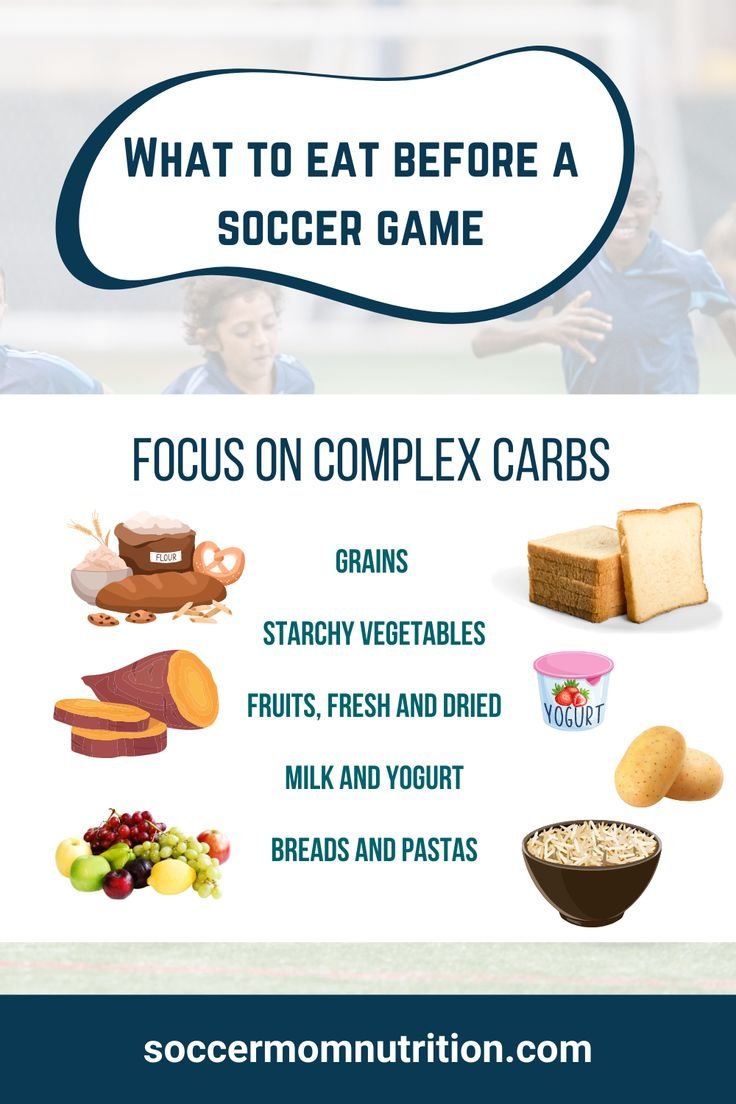
Before a soccer game, focus on easily digestible carbohydrates like a banana or a small bowl of oatmeal for quick energy.
You’re gearing up for a big soccer match, and that pre-game fuel is crucial. The question on every player’s mind: what to eat before a soccer game for energy? It’s not about loading up on a huge meal, but choosing the right foods for sustained power.
Proper pre-game nutrition will help you run longer and play harder. Aim for simple carbs, which your body will quickly convert to energy. Avoid heavy, fatty foods that can weigh you down.

What to Eat Before a Soccer Game for Energy
Getting ready for a soccer game? You’re probably thinking about your cleats, your jersey, and your game plan. But, have you thought about what you’re going to eat? What you eat before a big game is super important for having the energy to run, kick, and play your best! It’s like fueling your car before a long trip. The right foods will help you feel strong and ready, while the wrong choices can make you feel sluggish and tired. Let’s dive into the best ways to fuel your body for soccer success!
The Importance of Pre-Game Fueling
Why is eating the right foods before a soccer game so important? Imagine trying to run a race on an empty stomach. You would probably feel tired and weak, right? It’s the same with soccer! Your body needs the right kind of fuel to perform at its best. Proper pre-game nutrition ensures you have enough energy to last the entire match and helps you avoid feeling tired or dizzy. Think of food as your body’s gasoline. The better the fuel, the better the performance. We need to make sure we are putting in high-quality fuel, not the cheap stuff that will make our engine sputter.
Energy for the Whole Game
Soccer is a sport that demands a lot of energy. You’re running, jumping, and making quick movements for a long time. If you haven’t eaten properly, your body might run out of fuel before the game ends, which means you could feel tired and not be able to play your best. Eating the right foods in the hours leading up to your game helps provide a steady supply of energy that will last. This means you will have consistent power throughout the game instead of having a burst of energy and then feeling fatigued.
Avoiding an Upset Stomach
No one wants to play soccer with an upset tummy! Eating the wrong things, like heavy, greasy meals right before a game can cause stomach cramps, bloating, and other unpleasant digestive issues. It’s best to choose foods that are easy to digest and won’t weigh you down. We also want to make sure to avoid trying new foods right before a game as they might cause an unexpected reaction. This is a time to stick to foods that you know your body handles well.
Timing is Everything: When to Eat
It’s not just what you eat, but when you eat it that makes a difference. Eating a big meal right before the game is a recipe for disaster. It’s best to give your body enough time to digest the food properly so you can feel light and energized. Let’s look at the best times to eat:
The 3-4 Hour Window
Ideally, you want to eat a bigger meal about 3 to 4 hours before your soccer game starts. This gives your body plenty of time to digest the food and turn it into usable energy. This meal should be balanced and contain carbohydrates, protein, and some healthy fats. Remember this is a main meal, so don’t be shy about eating a decent sized plate of food. Think of this meal as the main power source for your game.
The 1-2 Hour Snack
About 1 to 2 hours before the game, you can have a smaller snack. This snack will help to give you a final boost of energy right before you step onto the field. This snack should be easier to digest and mostly consist of carbohydrates for fast energy. You can think of this snack like a quick recharge before you go out to play.
Avoid Eating Too Close to Game Time
Try to avoid eating anything heavy within an hour before the game. If you eat too close to kickoff, it is likely to still be in your stomach and could make you feel sluggish and cause an upset stomach. This is especially important with high fat foods, which tend to take longer to digest. A very small piece of fruit might be ok, but stay clear of the bigger meals at this point.
The Best Foods for Pre-Game Energy
Now that you know when to eat, let’s talk about what to eat. The best pre-game foods are those that provide lasting energy and are easy for your body to process. They should also provide the important nutrients that support your muscles and help you stay hydrated.
Carbohydrates: Your Main Source of Energy
Carbohydrates are your body’s main source of energy, especially for intense activities like soccer. When you eat carbs, your body breaks them down into glucose, which is like the fuel that powers your muscles. You want to choose complex carbohydrates, which release energy slowly over time, instead of simple sugars, which can lead to a quick burst of energy followed by a crash. Here are some good options:
- Whole-wheat pasta
- Brown rice
- Oatmeal
- Quinoa
- Sweet potatoes
- Whole-wheat bread
- Fruits like bananas, oranges and apples
These are all great choices that will give you sustained energy during the game. Try to add one of these complex carbs to each of your pre-game meals or snacks.
Protein: For Muscle Repair and Strength
Protein is important for building and repairing muscles. Although carbohydrates are your main source of energy for playing, you will still need a moderate amount of protein for muscle strength and recovery. Good sources of protein for a pre-game meal include:
- Grilled chicken or turkey breast
- Lean beef
- Eggs
- Beans and lentils
- Greek yogurt
- A small amount of nuts or seeds
Remember, we are not looking for a large amount of protein here, a moderate portion will do the job just fine. We are looking to get enough protein to support our muscles but not so much that it will slow us down.
Healthy Fats: For Sustained Energy and Overall Health
Healthy fats are also important for providing energy, and they also help your body absorb certain nutrients. They also help keep you full longer. However, you want to eat them in moderation, especially before a game, as they can take longer to digest. Good sources of healthy fats include:
- Avocado
- Nuts (almonds, walnuts)
- Seeds (chia, flax)
- Olive oil
A small portion of healthy fat can be part of a larger meal, just make sure that you are not consuming too much. A small drizzle of olive oil on your vegetables, or a few slices of avocado in your sandwich will do the job.
Hydration: Don’t Forget to Drink Water!
Staying hydrated is just as important as eating the right foods. Dehydration can lead to fatigue, muscle cramps, and decreased performance. Make sure to drink plenty of water in the days and hours leading up to your game. You can also drink sports drinks, which contain electrolytes that can help keep you hydrated and energized, especially during long periods of play.
Sample Pre-Game Meal and Snack Ideas
To give you some concrete examples, here are some great ideas for meals and snacks to consume before a soccer game:
3-4 Hours Before the Game: Balanced Meal Ideas
- Grilled chicken or turkey breast with brown rice and steamed vegetables: This provides a good combination of carbohydrates and protein, with some vitamins and minerals from the vegetables.
- Whole-wheat pasta with lean meat sauce and a side salad: A classic meal that provides carbohydrates and protein, and is relatively easy to digest.
- Oatmeal with berries and a small amount of nuts: A great meal that is easy on the stomach. Provides a lot of sustained energy and some healthy fats.
- Sweet potato with black beans and salsa: This vegan option is very healthy and provides complex carbohydrates and a good source of plant protein.
1-2 Hours Before the Game: Quick Snack Ideas
- Banana or orange: A piece of fruit is a perfect snack for fast energy, and they are easy to digest.
- Small bowl of oatmeal: Easy on the stomach, and will give a nice boost of energy before the game.
- A slice of whole-wheat toast with a small amount of peanut butter or other nut butter: Provides some energy and protein, but should be eaten in small portions before a game.
- Sports drink: Provides fluid and electrolytes, which are important for hydration and muscle performance.
- A small handful of dried fruit: Provides fast energy but make sure that you are not eating too much, since it has a high sugar content.
Foods to Avoid Before a Soccer Game
Just as important as knowing what to eat is knowing what to avoid. Certain foods can make you feel sluggish, uncomfortable, or give you an upset stomach. Here are some foods that are best to avoid before a soccer game:
Fried and Fatty Foods
Foods like french fries, burgers, and fried chicken are high in fat, which takes a long time for your body to digest. This can make you feel heavy and slow on the field. These foods also won’t provide the nutrients that your body needs for sustained performance.
Sugary and Processed Snacks
Candy, soda, and sugary pastries can give you a quick burst of energy, but that will be followed by a crash, which is not ideal during a game. These foods also don’t provide the nutrients your body needs. They also tend to not be easy on the stomach.
Spicy Foods
Spicy foods can cause stomach problems for some people. It is best to avoid these foods before a game to prevent any discomfort.
High-Fiber Foods
Although fiber is great for overall health, eating a large amount of high-fiber foods right before a game can cause gas and bloating, which can be uncomfortable and distracting.
New or Unfamiliar Foods
Never experiment with new foods on game day. You don’t know how your body will react to them and it’s best to stick with foods that you know your body handles well.
Individual Needs and Preferences
Remember that everyone is different. What works well for one person might not work as well for another. Pay attention to how your body feels after eating different foods and adjust your pre-game meals and snacks accordingly. If you have any dietary restrictions or allergies, always make sure that the food you are eating fits within these parameters. You may also want to discuss with a doctor or nutritionist if you want some more personalized advice.
Listen to Your Body
The best way to figure out what works best for you is to listen to your body. Pay attention to how you feel after eating different meals and snacks. Keep track of which foods make you feel energized and comfortable, and which ones make you feel sluggish. This will help you to create your own personalized game day nutrition plan.
Fueling your body with the right foods is crucial for a successful soccer game. By eating a balanced meal a few hours before the game, followed by a light snack closer to kickoff, you’ll be setting yourself up for success. Remember to stay hydrated, listen to your body, and avoid foods that might make you feel unwell. Proper nutrition will not only improve your energy levels, but also your overall enjoyment of the game. Now go out there and give it your best!
3 Foods that You Need to Eat Before a Soccer Match #shorts
Final Thoughts
Fueling up correctly before a soccer match is crucial for peak performance. Focus on easily digestible carbohydrates for quick energy. These carbs will sustain you throughout the game.
Good options include a banana, some toast, or a small portion of pasta. Avoid heavy, fatty meals which can cause sluggishness. Hydration is also must; drink plenty of water.
Ultimately, what to eat before a soccer game for energy greatly impacts your game. Choose wisely and you will notice positive differences. A balanced approach ensures you have enough power to compete.

