
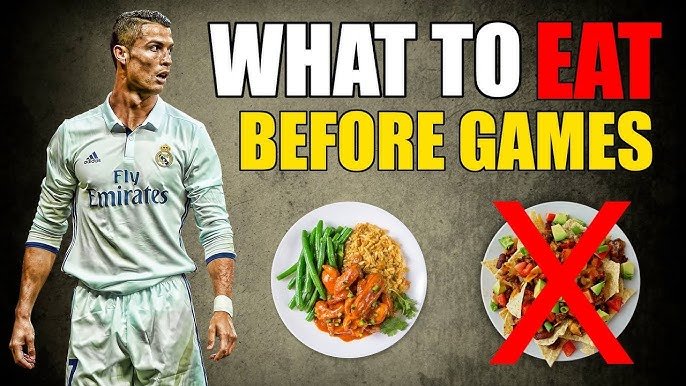
Before a soccer game, you should eat easily digestible carbohydrates like a banana or toast with a bit of honey, coupled with a small amount of protein such as yogurt, to provide sustained energy.
Fueling your body properly is crucial for peak performance on the soccer field. Knowing what to eat before a soccer game can make a significant difference in your energy levels and overall game. The right choices ensure you have enough fuel for the entire match, helping you stay sharp and focused.
Proper pre-game nutrition prevents fatigue and maximizes your speed and agility. Ignoring this can result in early burnout and decreased performance. Choosing the correct foods provides that essential boost.

What to Eat Before a Soccer Game
Getting ready for a soccer game? It’s not just about practicing your skills; what you eat before you step onto the field is super important! Think of your body like a car. You wouldn’t try to drive a long race with an empty gas tank, right? Well, your body needs the right fuel too, so you can play your best. Eating the right foods before a game will give you the energy you need to run, kick, and maybe even score a winning goal! Let’s talk about how to choose the best pre-game snacks and meals to keep you performing your best.
The Importance of Pre-Game Fuel
Imagine trying to sprint the whole length of the soccer field with no energy. Sounds tough, doesn’t it? That’s why pre-game fuel is essential. It’s all about giving your body the right kind of energy. This energy comes from the food you eat and it will be used to power your muscles and keep your brain focused during the game. The right foods can make you feel like you have springs in your feet, and that helps you run faster, think clearer, and have more stamina. When you’re fueled up properly, you’ll be able to make those crucial passes and tackles without feeling like you’re running on empty. Let’s dig in to understand why some foods work better than others before a game.
Carbohydrates: Your Primary Energy Source
Think of carbohydrates as your body’s super fuel for sports! They are like the gasoline for a car, providing quick and easy energy for your muscles. During a soccer game, you’ll be doing a lot of running and sprinting, and your body uses carbohydrates to keep up with that high level of activity. When you eat carbs, your body breaks them down into glucose, which is a type of sugar that is then stored as glycogen. This glycogen is what your muscles use for energy. Eating enough carbohydrates before a game will make sure that your glycogen stores are full, allowing you to perform well throughout the game. But it is also important to choose the right types of carbohydrates. Let’s explore which ones are best:
Good Carbs vs. Not-So-Good Carbs
Not all carbs are created equal! Some carbs give you lasting energy, while others can cause a quick energy spike followed by a crash. We want the ones that will help us stay energized during the entire soccer game. Good carbs are often called complex carbs. These are things like:
- Whole-wheat bread and pasta
- Brown rice
- Oatmeal
- Sweet potatoes
- Quinoa
- Fruits such as bananas, apples, and oranges
These carbs break down slowly in your body, which gives you a steady release of energy over time. On the other hand, not-so-good carbs, like sugary snacks and white bread, break down very quickly. They might give you a short boost of energy, but then you’ll feel tired and sluggish in the middle of the game. Think about avoiding these before your game:
- Candy and chocolates
- White bread and pastries
- Sugary drinks (soda, juice)
- Chips and fried snacks
Stick with the good carbs, and you’ll have the energy you need for the whole match.
Protein: Building and Repairing Muscles
While carbs are your primary source of energy, protein is also important for soccer players, especially for helping your muscles. Think of protein as the building blocks for your muscles. Protein helps repair any damage done to your muscles during practice and games. While you don’t need to eat a huge amount of protein right before a game, including a little bit can be helpful. Some good protein sources include:
- Lean meats like chicken or turkey
- Fish
- Eggs
- Beans and lentils
- Tofu
- Greek yogurt
- Small portions of nuts
Including some protein in your pre-game meal will help keep your muscles strong and ready to play. However, keep the amount moderate, and don’t load up on heavy or fatty protein right before a game as it can make you feel heavy and slow.
Fats: Necessary in Moderation
Your body needs some healthy fats to function well. They help with vitamin absorption and hormone production. However, it’s very important to keep fatty foods to a minimum before a game. Too much fat can make you feel slow, heavy, and uncomfortable on the field. Fatty foods take longer to digest and won’t provide you with quick energy. Focus on getting healthy fats earlier in the day, but avoid them close to game time. Good sources of healthy fats include:
- Avocados
- Nuts (in small amounts)
- Seeds
- Olive oil
A small amount of these healthy fats is good for your body, but keep portions small before your game.
Timing is Key: When Should You Eat?
It’s not only what you eat, but also when you eat that makes a big difference. The timing of your pre-game meal or snack is crucial for making sure you have enough energy without feeling sluggish. You need to give your body time to digest your food, so the energy is available when you need it. Here’s a general idea of the best times to eat:
The 3-4 Hour Window: A Larger Meal
If you have a few hours before your game, you can eat a proper meal. This means about 3-4 hours before you step onto the field. The goal here is to fuel your body with a good amount of carbohydrates, a moderate amount of protein, and only a little bit of healthy fats. Here are some example meal ideas:
- Whole-wheat pasta with a light tomato sauce and grilled chicken
- Brown rice with baked fish and steamed vegetables
- A turkey sandwich on whole-wheat bread with a side of fruit
- Oatmeal with berries and a sprinkle of nuts
These types of meals give your body plenty of time to digest the food, providing sustained energy for the game. Make sure to drink enough water with your meal to stay hydrated.
The 1-2 Hour Window: A Light Snack
If you only have an hour or two before your game, you should stick to a light snack that is easy to digest. The goal here is to top off your energy stores and avoid feeling full or heavy. Avoid anything that is greasy or high in fiber because it might make your stomach upset. Some good snack options for this window include:
- A banana
- A small handful of dried fruit
- A slice of whole-wheat toast with a little bit of jam
- A small cup of yogurt
- A sports drink for electrolytes
These snacks are easy for your body to process and give you a quick energy boost, but they are not heavy, making them perfect for right before your game.
Avoid Eating Too Close to Game Time
Eating too close to game time can be a recipe for disaster. Your body needs time to digest your food. Eating too close to the start of a match could lead to:
- An upset stomach
- Feeling sluggish and heavy
- Reduced energy levels
Try to eat at least one hour before the game, and if you can eat a full meal 3-4 hours before, that will be best for optimal performance.
Hydration: The Essential Sidekick
Food is not the only important thing to consider. Staying hydrated is just as crucial as having the correct pre-game fuel. Water helps keep your body working properly and allows you to perform your best on the field. Dehydration can lead to tiredness, cramps, and decreased focus. It’s important to keep hydrating in the days leading up to your game, and specifically in the hours and minutes before kickoff. Here’s how you can stay properly hydrated:
Drink Water Regularly
Don’t wait until you feel thirsty to drink. Carry a water bottle with you throughout the day and take sips regularly. Drink water before, during, and after your game to stay properly hydrated. Especially, when you’re playing or practicing outside on a hot day, hydration is absolutely vital. Remember that it’s better to sip water frequently than to drink a lot all at once.
Sports Drinks for Electrolytes
Sports drinks can be helpful if you’re exercising intensely for a long period. They not only help to hydrate you but also replace important electrolytes that you lose through sweat. Electrolytes, such as sodium and potassium, help your muscles function and prevent cramps. Keep in mind sports drinks can be high in sugar, so use them wisely during and after a game. Don’t rely on them instead of water.
Avoid Sugary Drinks
Sugary drinks such as soda, juices, and sweetened tea can actually dehydrate you. They may give you a temporary sugar rush, but they are quickly followed by a crash. Also, they can lead to an upset stomach or cramps. Stick with water and sports drinks as your primary sources of hydration.
Putting It All Together: Sample Meal Plans
Now that we have covered all the important information, let’s create some sample meal plans to give you an idea of what to eat before a soccer game. Remember, this is just a sample, and you should adjust them to your individual needs and preferences.
Meal Plan 1: The 3-4 Hours Before Game Meal
This plan focuses on a larger meal eaten 3 to 4 hours before the game:
- Main Course: Whole-wheat pasta with grilled chicken and tomato sauce
- Side Dish: Small side salad with a light dressing
- Hydration: Water, and continue to drink regularly
- Optional: A small piece of fruit such as a banana or an apple
Meal Plan 2: The 1-2 Hours Before Game Snack
This plan focuses on light, quick energy snacks 1 to 2 hours before game time:
- Snack: A banana
- Optional: A few dried apricots or a small handful of raisins
- Hydration: Water and small amount of sports drink
Meal Plan 3: A Quick and Simple Option
If you are in a rush you can also go for this quick and simple meal plan:
- Main Course: A whole wheat toast with a little bit of honey or jam
- Side Dish: A small cup of Greek yogurt
- Hydration: Water
Important Notes About Your Meal Plans
- Personalize: Adjust the meal plans to fit your needs and preferences. If you don’t like one of these items, substitute it with something similar.
- Practice: Try these meals during practice days first to see how your body reacts to them before your game.
- Listen: Listen to your body. Pay attention to how certain foods make you feel and adjust your meal plan accordingly.
- Don’t Overeat: Avoid eating too much before a game, even if it’s healthy. Overeating can lead to discomfort and impact your performance.
- Stay Consistent: Try to eat similar foods before each game so you know how your body will react.
- Talk to a Coach or Dietitian: If you’re unsure about what to eat, talk to your coach or a registered dietitian who can give you more specific advice.
The Night Before: Laying the Foundation
Don’t only consider the day of the match. Eating well the night before your game is also very important! This will help you wake up feeling refreshed and energized. Focus on having a balanced meal that includes carbohydrates, protein, and a small amount of healthy fats.
A Balanced Dinner
Your dinner the night before the game should be full of nutrients that will prepare you for the next day. This includes:
- Complex Carbs: Brown rice, quinoa, whole-wheat pasta
- Lean Protein: Grilled chicken, fish, tofu, or beans
- Plenty of Vegetables: Steamed, roasted, or in a salad
Get Enough Sleep
Getting a good night’s sleep is also vital for a great performance! Aim for 8-10 hours of sleep the night before a game to wake up refreshed and ready to play your best. Your body needs rest to recover and prepare for the physical challenge.
Hydration Continues
Keep drinking water regularly the night before your game. This will ensure that you are not dehydrated by the time you wake up in the morning.
Choosing the right pre-game foods and hydrating properly are key to performing your best. Remember, food is fuel, and the right fuel will help you run faster, play harder, and have fun on the soccer field. Pay attention to how different foods affect you, and always stay well hydrated! Now go out there and have a great game!
3 Foods that You Need to Eat Before a Soccer Match #shorts
Final Thoughts
Fueling up correctly is must for game day. Focus on easily digestible carbohydrates like pasta or bananas a few hours before kickoff. These provide sustained energy needed for peak performance.
A small amount of protein, maybe some lean chicken, can also help you. However, avoid heavy meals that can cause sluggishness. Remember, what to eat before a soccer game significantly impacts your performance.
Hydration is also key. Drink plenty of water in the hours leading up to the match, but avoid sugary drinks. Choose simple, wholesome options for optimal results.

