
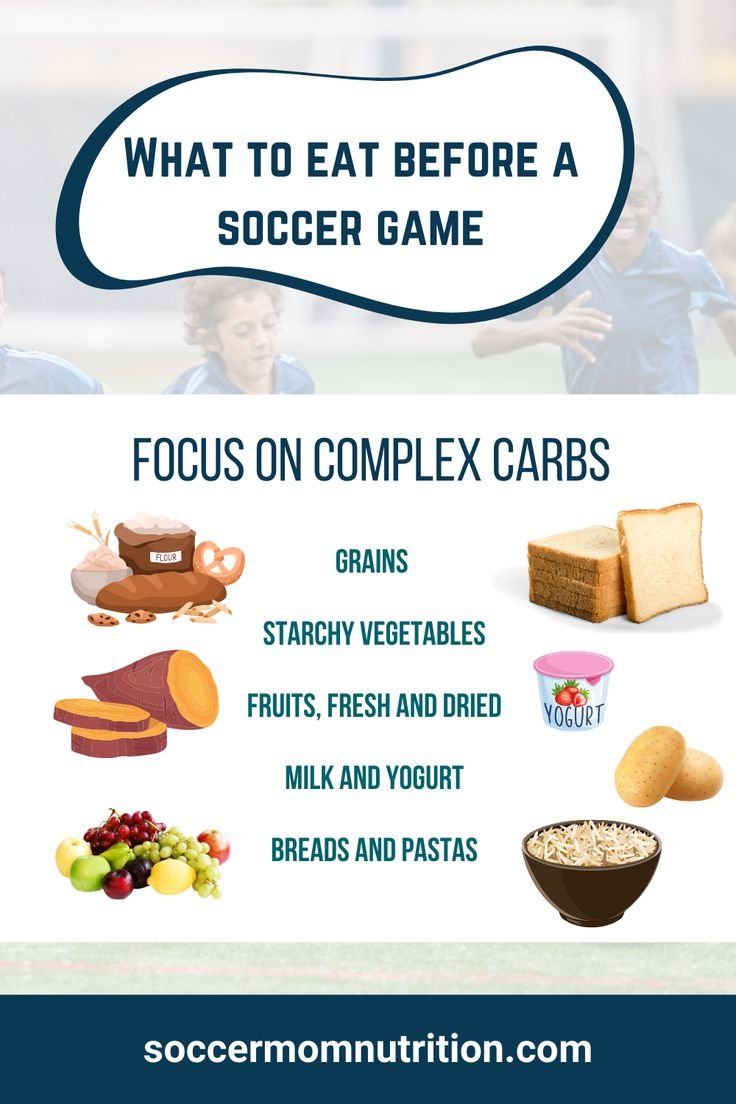
Eat easily digestible carbohydrates like a banana or a small bowl of oatmeal for energy before a soccer game.
Fueling your body properly before a big match is crucial for peak performance, and understanding what to eat before soccer game for energy makes all the difference. You need the right kind of fuel to power those sprints and maintain stamina throughout the game. Ignoring this can lead to fatigue and a dip in your performance. The right choices now will boost your endurance on the field.

What to Eat Before a Soccer Game for Energy
Getting ready for a big soccer game? It’s not just about practicing your skills; what you eat beforehand plays a huge part in how much energy you’ll have on the field. Think of your body like a car – you need the right fuel to go far and fast. Eating the right foods before a game will help you run longer, think quicker, and play your best. We’re going to dive into what those “right foods” are and how they help you shine during your match. It’s all about preparing your body to be a powerhouse on the field!
The Importance of Pre-Game Fuel
Before we jump into specific foods, let’s talk about why pre-game eating is so important. Imagine trying to run a race on an empty stomach. You would probably feel tired and sluggish pretty quickly, right? It’s the same with soccer. Your muscles need energy to work hard, and that energy comes from the food you eat. When you eat the right things before a game, your body stores that energy as something called glycogen, which is like a reserve tank for your muscles. This glycogen keeps you going when you’re sprinting, jumping, and kicking throughout the game. Without enough fuel, you might feel weak, tired, and it can even impact your focus. Proper pre-game nutrition is all about making sure you’ve got enough energy in the tank to perform at your peak.
Timing is Everything
It’s not just what you eat, but also when you eat. You shouldn’t eat a big meal right before you play; your body needs time to digest the food. Aim to have your main pre-game meal about 2-3 hours before kickoff. This gives your body enough time to turn that food into usable energy. If you only have an hour or so before the game, you can opt for a lighter snack. We will discuss snack options later. Eating too close to game time can make you feel heavy or even sick to your stomach, which is definitely not ideal for running around on a field! So, time your meals and snacks wisely to make sure you feel great when the whistle blows.
The Power of Carbohydrates
When we talk about energy for soccer, carbohydrates are your best friends. They are the body’s main source of fuel, especially for high-intensity activities like running and kicking. Think of them as the gasoline for your engine. When you eat carbohydrates, your body breaks them down into glucose, which then gets stored as glycogen in your muscles and liver. Having plenty of glycogen stores ensures you have enough energy for the entire game. However, not all carbohydrates are created equal. We need to focus on “complex carbohydrates” that provide steady, sustained energy, rather than the “simple carbohydrates” that give a quick burst but lead to a crash later. Here’s a breakdown:
Complex Carbohydrates: Your Long-Lasting Energy Sources
Complex carbohydrates are packed with fiber and nutrients and release energy slowly into your bloodstream. They help you maintain consistent energy levels throughout the match without those frustrating energy dips. Some great choices include:
- Whole-wheat bread or pasta: These are much better than white bread or pasta because they contain more fiber and nutrients, providing longer-lasting energy.
- Brown rice: This grain is a fantastic source of complex carbs that digest slowly and keep you feeling full and energized.
- Oatmeal: A great way to start the day, oatmeal provides fiber and sustained energy. Mix it with some fruit for extra goodness!
- Sweet potatoes: These are loaded with nutrients and are a good source of energy for your muscles.
- Quinoa: It is a complete protein source and provides good carbohydrates.
Try to include these in your meal 2-3 hours before the game. Combining these with lean proteins makes a balanced meal for game day.
Simple Carbohydrates: The Quick Boost (Use Sparingly)
Simple carbohydrates are sugars that the body breaks down quickly for fast energy. While they can provide an immediate energy boost, the effect is often short-lived. Over-reliance on simple carbs can lead to an energy crash during the game, which is not what we want. However, they can have a place for a quick energy source right before the game if you need a very little energy top-up but try to be cautious and use it in moderation.
- White bread or pasta: These provide energy quickly but can cause energy dips if consumed alone.
- Sugary drinks: Sodas and fruit juices can give a fast boost, but it’s short and can cause you to feel tired later.
- Candy: These provide a very quick sugar rush but are not a great option for pre-game fuel.
- Fruits: Bananas, apples, and berries can be good quick energy sources as they contain natural sugars but are also packed with nutrients.
If you need a quick boost, a small piece of fruit or a few whole-wheat crackers might be a better option than sugary drinks or candy.
The Importance of Protein
While carbohydrates are the main source of energy, protein is super important for building and repairing muscles. Soccer is a physically demanding sport that can put stress on your muscles. Eating enough protein helps your muscles recover faster after a game and grow stronger over time. It is also great for satiety, meaning it helps keep you feeling fuller for longer.
Lean Protein Choices
It’s best to choose lean protein sources that are low in fat. These include:
- Chicken or turkey breast: These are great sources of protein and are easy to digest.
- Fish: Salmon, tuna, and cod are great for muscle repair and overall health.
- Eggs: A good source of protein that is also versatile and easy to cook.
- Beans and lentils: These plant-based protein options are full of nutrients and fiber.
- Tofu: It is a good vegetarian option packed with protein and other beneficial nutrients.
Including these protein sources in your meal 2-3 hours before the game can help to support your muscles during and after the match.
Avoid Fatty Proteins
High-fat protein sources such as fried meats and processed meats can be harder to digest, they can make you feel sluggish, so it is better to avoid them before a game.
Healthy Fats: A Supporting Role
Healthy fats are another important part of a balanced diet. Although they aren’t the primary source of energy for soccer players, they play several key roles: they help with vitamin absorption, and they are essential for hormone production and overall health. However, you should eat healthy fats in moderation. Avoid large amounts of fats before the game as they can slow down digestion.
Good Sources of Healthy Fats
Some healthy fat options include:
- Avocados: A great source of healthy fats, fiber, and other nutrients.
- Nuts and seeds: Almonds, walnuts, chia seeds, and flaxseeds are good sources of healthy fats and are easy to eat.
- Olive oil: This is a healthy fat that can be used in cooking or as a dressing.
A small portion of healthy fats can be a good addition to your pre-game meal or snack, but keep it in moderation. Avoid high-fat foods like fried items, and too much dairy as they can slow digestion and cause discomfort.
Hydration is Key!
It’s not just about food. Staying hydrated is absolutely crucial for soccer players. Dehydration can lead to fatigue, muscle cramps, and a decrease in performance. Before, during, and after the game, drink plenty of water. You can also drink electrolyte drinks like sports drinks to help replenish electrolytes lost through sweat. However, avoid sugary drinks which can lead to energy crashes.
Tips for Staying Hydrated
- Drink water throughout the day: Don’t wait until you’re thirsty; drink water consistently throughout the day.
- Hydrate before the game: Drink water or a sports drink about an hour or two before the game starts.
- Hydrate during the game: Drink water during breaks and halftime to replenish lost fluids.
- Hydrate after the game: Keep drinking water after the game to help your body recover.
Proper hydration is important to stay energetic and feeling good during the game, so make it a top priority.
Pre-Game Meal Ideas
Putting all this information together, let’s look at some actual meal ideas. Remember to eat these meals 2-3 hours before your game.
Sample Meal Ideas (2-3 Hours Before Game)
Here are some options that combine complex carbohydrates, lean protein, and a bit of healthy fat:
- Chicken and Brown Rice Bowl: Combine grilled chicken breast, brown rice, and a side of steamed vegetables.
- Turkey and Whole-Wheat Pasta: Have a serving of whole-wheat pasta with lean ground turkey and a light tomato sauce.
- Oatmeal with Fruit and Nuts: Enjoy a bowl of oatmeal with some berries and a sprinkle of nuts.
- Sweet Potato and Black Bean Bowl: Mix roasted sweet potatoes with black beans and a light dressing.
- Scrambled Eggs on Whole-Wheat Toast: Have some scrambled eggs with a slice of whole-wheat toast and a small portion of avocado.
Remember to drink water with your meals, avoid sugary drinks and heavy, fatty foods at this time.
Pre-Game Snack Ideas
If you need a little extra energy closer to game time, like an hour before kickoff, choose a light snack. You want something easy to digest that won’t weigh you down.
Sample Snack Ideas (1 Hour Before Game)
- A banana: Easy to digest and packed with natural sugars and potassium.
- A small handful of nuts: Provides quick energy and healthy fats.
- A few whole-wheat crackers: Great for carbohydrates and energy.
- A small piece of fruit: An apple or orange can give you a boost.
- A small smoothie: Blend fruit with a bit of yogurt or milk for a quick boost.
Keep these snacks small and light. You don’t want to feel full or sluggish before you play.
What to Avoid Before a Soccer Game
Just as important as what you should eat is what you should avoid. Here are some common foods and drinks to steer clear of before a soccer match:
Foods and Drinks to Avoid Before a Game
- Fried and greasy foods: These are hard to digest and can make you feel heavy and sluggish.
- Sugary drinks: These provide a quick burst of energy followed by a crash. They can also lead to dehydration.
- Processed foods: Foods like chips, cookies, and candy lack nutrients and provide little sustained energy.
- Large meals close to game time: Give your body enough time to digest your food (2-3 hours for meals).
- Spicy foods: They can cause stomach upset and discomfort during the game.
- Too much dairy: It can be hard to digest and can lead to stomach issues.
Avoiding these foods will help you to be in the best possible shape for the game.
Listening to Your Body
Finally, it’s very important to listen to your own body. What works for one person might not work for another. Pay attention to how different foods make you feel. Keep a record or journal if it helps. Experiment in practice sessions to find the best pre-game meal and snack combinations that provide energy and help you to play your best. Over time, you’ll learn exactly what works best for you. Remember that consistency is key. Sticking to a routine can help your body feel prepared for game day.
Fueling your body correctly for a soccer game is as crucial as practicing your moves. Choosing the right foods and drinks, timing your meals, and avoiding problematic foods are all essential to maintaining a high level of energy, endurance, and focus. So, remember to prioritize balanced meals with complex carbohydrates, lean proteins, healthy fats, and plenty of water, and get ready to play your very best game. Eating right is an important part of being a successful soccer player. Take the time to prepare your body with the right fuel, and you will play better and feel stronger!
3 Foods that You Need to Eat Before a Soccer Match #shorts
Final Thoughts
Fueling for a match requires the right choices. Opt for easily digestible carbohydrates like whole grain bread or a banana. Avoid heavy, fatty meals that will slow you down.
Timing is crucial; eat a light meal 2-3 hours before kickoff. This allows sufficient time for digestion, preventing discomfort. Hydration is also key, drink water consistently.
Therefore, focusing on the correct choices is essential. Remember, what to eat before soccer game for energy will significantly affect your performance. Prioritize simple carbohydrates and fluids for your best match.

