
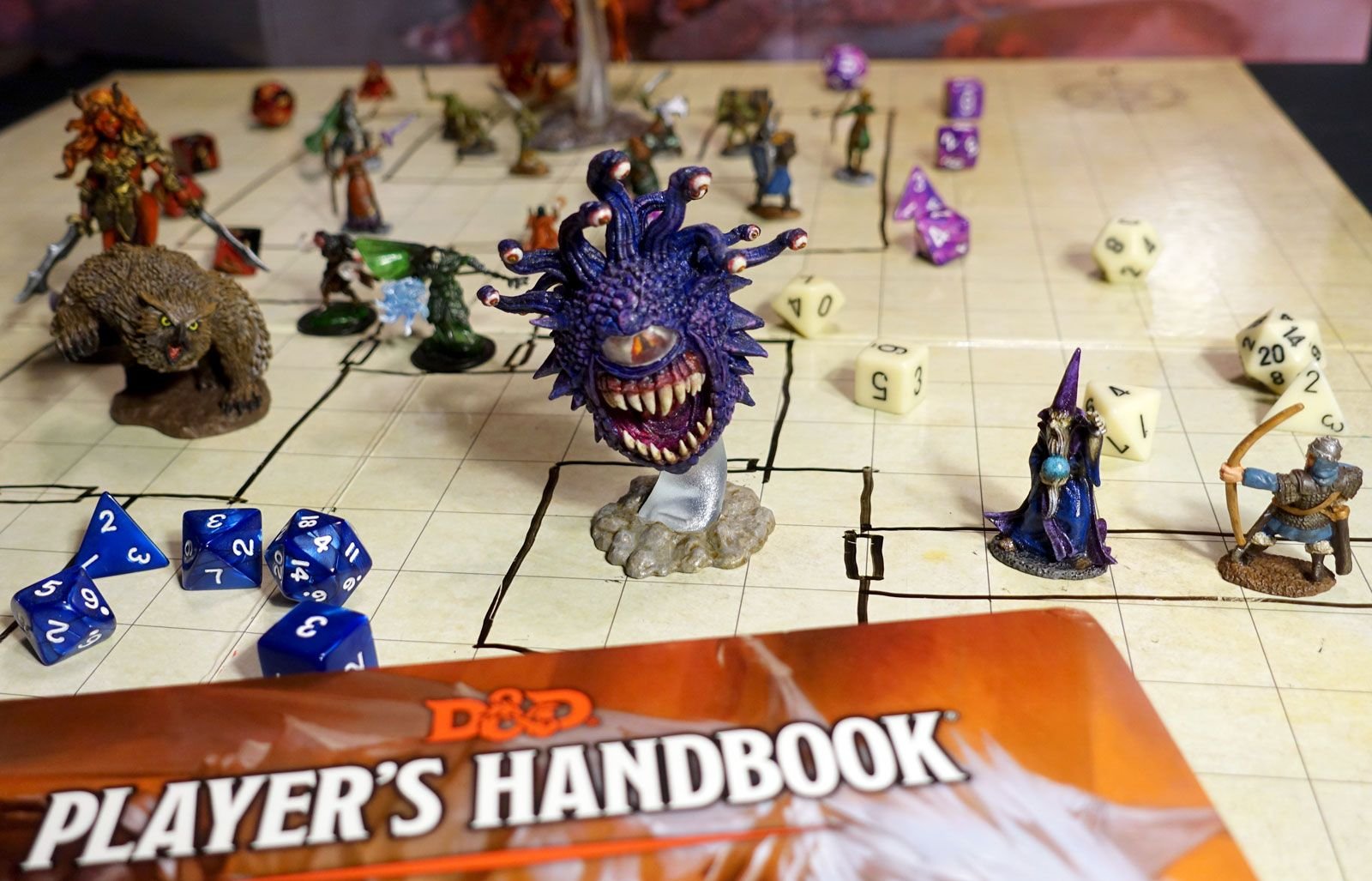
D&D is a tabletop role-playing game, where players create characters and collaboratively tell a story through dice rolls and imaginative narration.
Ever wondered what type of game is D&D? It’s not a video game you play alone on a screen. Instead, picture friends gathered around a table, each with a unique character they’ve crafted.
These characters embark on quests, face challenges, and weave a shared narrative guided by a Dungeon Master. This shared experience blends strategy with creative storytelling, making each game session unique.

What Type of Game is D&D?
So, you’ve heard whispers of dragons, daring quests, and dice rolling. Maybe your friends are huddled around a table, chuckling and exclaiming, and you’re wondering: “What in the world is D&D?” Well, you’ve come to the right place! Dungeons & Dragons, or D&D for short, isn’t your typical board game or video game. It’s something a little bit different, a mix of storytelling, acting, and a sprinkle of luck. Let’s dive in and explore exactly what kind of game D&D really is.
D&D: A Collaborative Storytelling Game
At its heart, D&D is a collaborative storytelling game. That means that instead of just one person making up the story, everyone at the table works together to create the adventure. Think of it like writing a book with your friends, but instead of just writing words on a page, you get to act out your characters’ actions. It’s not a game you “win” in the traditional sense. Instead, you aim to tell a fun, engaging story with your friends. The goal is to have fun and create a shared experience. The game uses a set of rules and guidelines to make this process smoother and more exciting, but it’s the players who really drive the narrative.
The Dungeon Master: The Story Weaver
One person takes on a special role called the Dungeon Master, or DM. The DM is like the director and narrator of the story. They describe the world around the players, they control the non-player characters (NPCs) that the adventurers meet, and they decide what happens when the players try to do something that’s not covered by the rules. The DM doesn’t play against the players, but works with them to make a challenging and exciting adventure. They might create a mysterious forest, a bustling town, or a spooky dungeon. They are responsible for making sure the story feels alive.
Player Characters: The Heroes of the Tale
The other people at the table each create their own character. These characters are the heroes of the story – they are the ones who explore the world, battle monsters, and solve mysteries. You can choose what kind of hero you want to be, from a powerful warrior to a sneaky rogue, from a wise wizard to a helpful cleric. Each character has their own set of abilities and backstories that make them unique. The players describe what their characters do and say. These actions influence the story in exciting ways.
Dice: A Sprinkle of Chance
Dice add an element of chance to D&D. You’ll use different kinds of dice to determine if your character succeeds at certain actions. For example, if you want to try and climb a cliff, you might have to roll a 20-sided die. The result of that roll, combined with your character’s skills, determines whether you climb the cliff successfully or fall down. The dice add an exciting element of randomness to the game, keeping everyone on their toes.
D&D as a Tabletop Role-Playing Game (TTRPG)
D&D is often called a tabletop role-playing game, or TTRPG. This simply means that the game is played around a table, and each person takes on the “role” of a character in the story. Tabletop games usually require physical components, like rulebooks, character sheets, and dice, rather than controllers or screens. This makes D&D a much more social and engaging experience than some other forms of gaming.
Role-Playing: Stepping into Another’s Shoes
The “role-playing” part of TTRPG means that you’re not just making choices for your character; you’re also embodying that character. You might act out how your character would speak, move, and react to different situations. This allows you to explore different personalities and create a unique and memorable hero. You are, in essence, telling a story through the actions of your character.
D&D vs. Other Games: What Makes It Different?
Let’s talk about how D&D differs from other types of games you might be familiar with.
D&D vs. Board Games
While some board games have narratives, they usually have a fixed goal and a set of rules that every player must follow exactly. In D&D, the story can change based on player choices and there’s a lot more flexibility in how things are handled. Board games typically have a clear winner and a clear end, where as D&D does not, it aims to create a shared experience over winning.
Here’s a quick comparison:
- Board Games: Fixed rules, clear winning conditions, often competitive.
- D&D: Flexible rules, collaborative storytelling, no traditional winner.
D&D vs. Video Games
Video games offer amazing graphics, intricate mechanics, and can be enjoyed alone. However, D&D is a deeply social game that you play in person. D&D allows a lot more creative freedom. You’re not bound by the limitations of a video game’s programming; if you can think it, you can try it, though the DM may adjust to maintain a balanced and fun experience. In video games, you usually follow a pre-determined story, while in D&D you are helping write the story.
Here is a more in detail example in table format:
| Feature | D&D | Video Games |
|---|---|---|
| Social Interaction | Highly social; played with friends. | Can be social (multiplayer), but also often enjoyed solo. |
| Storytelling | Collaborative and player-driven. | Pre-determined and linear, with player interaction. |
| Creativity | Limitless potential for creativity. | Limited by game mechanics. |
| Rules | Flexible rules managed by DM | Strict and fixed rules programmed by developer. |
| Graphics | Relies on imagination, can be enhanced with maps and miniatures. | Rich visual graphics. |
| Gameplay Style | Character embodiment and acting. | Controller or keyboard interaction. |
D&D: More Than Just a Game
D&D is more than just a game; it’s a way to connect with friends, explore your imagination, and tell amazing stories together. It’s a space for creativity, where you can be anyone you want to be and go on adventures you’d never experience in real life. It’s a way to problem-solve, to think outside the box, and to collaborate towards a shared goal. It can also be a tool to help you improve your communication skills, boost your imagination, and improve your teamwork abilities. The fun comes not only from dice rolls but also from shared laughter and the enjoyment of playing a part in a bigger story.
Key Elements of D&D Gameplay
Now, let’s break down some key gameplay elements in a little more detail.
Character Creation
Before you can begin your adventure, you will need to make a character. This involves choosing your character’s race (like human, elf, or dwarf), class (like fighter, wizard, or cleric), background (what they did before they became an adventurer), and ability scores (how strong, smart, or charming your character is). You can also come up with a backstory for them, which can influence how you play them in the game. This helps to make your character more than just a collection of numbers and abilities; it makes them someone you can relate to and care about.
Skills and Abilities
Each character in D&D has skills and abilities that influence their chance of success at doing various things. These can include things like strength, dexterity, intelligence, wisdom, charisma, perception, persuasion, and many more. When you attempt something, the DM will tell you to roll a die, and then you add your relevant skills and abilities and bonuses, to see if you were successful or not. This makes D&D a lot more strategic than just simply thinking you can do something.
Combat
Combat is a significant part of most D&D adventures. When your character enters combat, you will have to follow a turn-based sequence to make your actions. Combat involves dice rolls, skill checks, and strategic choices to defeat monsters, other villains, and survive. While combat can be challenging, it is also an engaging part of the game and usually results in an engaging situation.
Magic and Spells
Many characters in D&D use magic, casting spells to aid their allies, hinder their enemies, or even manipulate the environment around them. Spells have a variety of effects and choosing what spell to use, at which moment, can be a vital choice in a battle.
Exploration and Roleplay
D&D also involves exploration and interaction with the world. You might search for hidden treasures, talk to people in towns, or investigate mysteries. Your character’s choices, and the way you roleplay can significantly affect the story. These aspects contribute to the storytelling experience and helps to make each campaign more unique and enjoyable.
Is D&D Right for You?
D&D is a game for people who enjoy imagination, storytelling, and spending time with friends. It’s great for those who like to be creative, solve problems, and try new things. It’s not for those who want a quick, easy win; it’s a game of long-term investment, with rich stories that develop and change through play. It is suitable for adults and children. There are versions of the game that are suited for everyone from an experienced player to a total beginner. If you are looking to play it with your kids it is a good option to encourage creativity, critical thinking, and interaction. With all those things, if you enjoy creating stories with your friends, and don’t mind dice rolls determining your success or failure, then D&D might be the perfect type of game for you.
Here are some signs that D&D might be a good fit for you:
- You enjoy collaborative storytelling.
- You like acting and taking on different characters.
- You like solving puzzles and figuring things out.
- You enjoy a good dose of randomness and unpredictability.
- You have an active imagination.
If any of that sounds like you, then it might be time to grab some friends, a set of dice, and begin an epic D&D adventure!
Playing D&D is like creating a unique, personalized adventure with your best friends. It’s a flexible, ever-changing experience that can be as silly or as serious as you and your group decide. It’s a chance to be a hero, explore new worlds, and tell unforgettable stories.
So, D&D isn’t just one kind of game, it’s a blend. It’s a collaborative storytelling game, a tabletop role-playing game, and a social experience all rolled into one. Whether you are wielding a sword, casting a spell, or simply talking your way out of trouble, D&D offers an unparalleled opportunity to be creative, engage your imagination, and have some amazing adventures with your friends. It’s a game that invites you to be part of the story, and that’s what makes it so much fun and special for so many people.
7 things ALL first-time D&D players need to know
Final Thoughts
D&D is primarily a collaborative storytelling game. Players create characters and navigate a narrative crafted by the Dungeon Master. Dice rolls determine the success or failure of actions, adding an element of chance.
The core experience centers on roleplaying, tactical combat, and problem-solving. The narrative unfolds based on player choices, making each game unique.
Ultimately, what type of game is d&d? It is a tabletop roleplaying game, where imagination and social interaction are the main keywords.

