
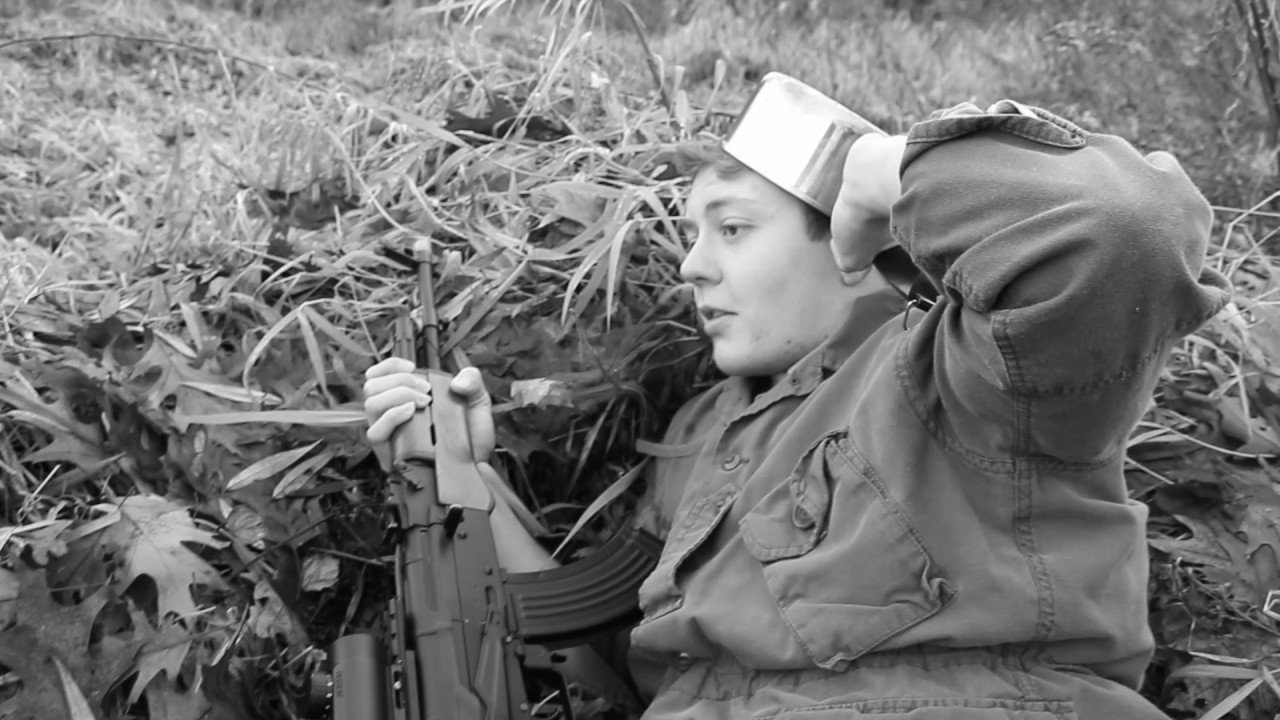
The Boo Radley game was a childhood pastime where Jem, Scout, and Dill acted out exaggerated stories and rumours they had heard about their reclusive neighbour, Boo Radley.
Have you ever wondered what children do when bored? In the fictional town of Maycomb, Alabama, children found a rather unusual way to occupy their time. They engaged in what was known as the Boo Radley game.
This game wasn’t like tag or hide-and-seek; it involved acting out the town’s stories and speculation about the mysterious Arthur ‘Boo’ Radley. Kids often let their imaginations run wild about the strange life they assumed he led, this fueled the game.

What Was The Boo Radley Game?
Let’s dive deep into the intriguing world of the “Boo Radley Game,” a central element in Harper Lee’s classic novel, To Kill a Mockingbird. This wasn’t your typical game of tag or hide-and-seek; it was a complex, imaginative, and sometimes unsettling activity played by the children of Maycomb, Alabama. The game revolved around their fascination—and fear—of their reclusive neighbor, Arthur “Boo” Radley.
The Genesis of the Game: A Neighborhood Mystery
The Boo Radley game didn’t spring up out of nowhere. It was born from a combination of childish curiosity, local folklore, and a healthy dose of boredom. Boo Radley, a man who hadn’t been seen in public for years, lived in the mysterious Radley Place, a house that seemed to whisper secrets. The children, especially Jem, Scout, and Dill, were captivated by the rumors and stories surrounding Boo. They heard tales of his troubled youth, his confinement, and his rumored strange behavior. These stories, often exaggerated and sensationalized, fueled their imagination. The Radley house became a focal point of their summer adventures, transforming from a regular house into a realm of the unknown. The fear and excitement associated with Boo was like a magnet for the children. It also becomes important to understand the context of the setting. Maycomb is a small town, where everybody knows everybody, and Boo stands as a complete outsider, which is why he became the subject of gossip and stories. The mysteriousness surrounding the house, the family and its residents made Boo Radley a perfect subject for the kids’ imaginative game.
The Rules and Variations of the Game
There weren’t any official rules to the Boo Radley game written down on paper. Instead, it was a fluid, ever-changing activity driven by the children’s creativity and their desire to make contact with the mysterious man. It was their own form of storytelling. The game had various elements. The main idea always involved reenacting or imagining stories about Boo. These reenactments were the most prominent feature, and the game involved acting out all kinds of myths and events about Boo Radley. Here’s a look at some of the game’s key aspects:
- Role-Playing: The kids would take on different roles, often mimicking the stories they had heard about Boo. They would act out scenarios based on the various rumors. For instance, one kid would pretend to be Boo stabbing his father with scissors. They used exaggerated movements and voices, acting out the parts with gusto.
- The Radley House as a Stage: The Radley Place served as the backdrop for their game. They would often sneak near it, sometimes even daring to touch it. The house itself became a character in their play, an imposing and silent witness to their activities. The Radley property also held an element of danger to it, making the game all the more attractive. They knew they were not supposed to go there, but they couldn’t help themselves.
- Storytelling and Myth Creation: The game was not just about acting, it was about story creation. Children would make up new events in the life of Boo Radley, they would exaggerate details and add new twists, thereby adding to the mystery that surrounded the character.
- Dares and Challenges: The game often involved dares, testing each other’s courage. They would dare each other to run onto the Radley’s porch or peek into the windows. These dares pushed the boundaries of their comfort zones and added an element of risk.
It’s important to note that the game evolved over time. As the children grew and learned more about the world, their portrayal of Boo and their game changed too. The initial fascination often transformed into something else, and the game started to become a reflection of their changing perceptions and understanding.
Why Did the Children Play the Boo Radley Game?
The reasons behind the Boo Radley game were multi-faceted. It wasn’t simply about boredom or mindless play. It fulfilled a number of psychological and social needs for the children.
Curiosity and the Unknown
First and foremost, the game stemmed from their immense curiosity about the unknown. Boo Radley represented everything mysterious and forbidden in their world. He was a figure shrouded in secrecy, and the children were naturally drawn to him. They wanted to understand this enigma, to solve the puzzle he presented. The game was a way for them to explore the edges of their comfortable world.
Dealing With Fear
The game also acted as a way for them to deal with their fears. By acting out the terrifying stories they had heard, they were able to gain a sense of control over those fears. The game allowed them to confront their anxieties about Boo, which may be scarier than the reality. It was a way to make the scary stories seem a little less scary.
Social Bonding
Playing the Boo Radley game also acted as a social activity. It created a common ground for Jem, Scout, and Dill, and helped solidify their bond. The game was their shared secret and helped them feel closer to each other. The shared risks and the shared excitement helped them form strong bonds. They each played different roles, and those different roles enhanced their relationships.
Exploring the World
The game helped them explore the boundaries of their small world, and it expanded their understanding of the world around them. By venturing near the Radley place, they were pushing the limits of what was deemed acceptable in their society. It helped them understand not just Boo, but also the social norms and constraints of their little community. They also had to deal with the risks involved with trespassing, this also gave them a better understanding of social rules and consequences.
The Consequences of the Game
While the Boo Radley game might have seemed harmless fun to the children, it had consequences—both for them and for Boo. Their actions, though rooted in innocent curiosity, had a direct impact on their perception of Boo and ultimately led to a deeper understanding of him.
Misconceptions and Prejudice
The game reinforced the misconceptions and prejudices the children held about Boo. They saw him not as a real person, but as a monster or a phantom based on rumor and gossip. Their game perpetuated a distorted image of the reclusive neighbor, thus making it harder to ever truly know him. This was the sad part of the game, as it contributed to the isolation Boo Radley was already experiencing.
Moral Lessons
However, through their interactions with Boo, although indirect at first, they began to realize the error of their ways. The game becomes a crucial element in their journey to grow up. Their initial fascination gave way to understanding and empathy, and they had to learn to see things from another perspective. By the end of the novel, they no longer look at Boo Radley as a monster but as a human being. They learned the importance of looking beyond superficial judgments.
Growing Up
The children also grow up during the novel, so they look at their past behavior with different eyes. They look back at the game they once played with embarrassment and shame, and their perspective on life changes. Their understanding changes and they start to view the world with maturity. The Boo Radley game is one of the elements that helped in this transformation from childhood to adulthood.
Symbolism of the Boo Radley Game
The Boo Radley game is more than just a children’s pastime; it’s a powerful symbol within the novel. It represents:
- Innocence vs. Experience: The game highlights the contrast between the innocent perspectives of children and the complex realities of the adult world. The children’s playful interpretation of Boo Radley shows their naivety. As they grow, they understand the difference between childhood fantasy and reality.
- Prejudice and Misjudgment: The game is a metaphor for how easily people can judge others based on rumors and appearances. It is a commentary on societal prejudice and the tendency to demonize those who are different. The children are no different from the rest of the adults in the town, when it comes to judging Boo Radley.
- The Power of Imagination: The game shows the boundless imagination of children and their ability to create entire worlds based on limited information. It is a testament to the power of story, myth and rumor, and its impact on shaping society’s perception of others.
- The Search for Truth: At its core, the game is a search for truth, albeit a misguided one. The children seek to uncover the mystery of Boo Radley, even if it’s through a distorted lens. Their efforts however flawed, are what pushes the narrative of the story forward.
The Ending of the Game
The Boo Radley game gradually fades as the children mature and begin to have a different perspective on the life of Boo Radley. Significant events occur in the novel that prompt a shift in their understanding, for instance:
- Boo’s Interactions: As they receive gifts from the mysterious Boo and finally see him in person after he saves their lives, their entire perspective shifts dramatically. These acts of kindness contrast completely with the image of the monster they had constructed in their minds. These small but meaningful interactions made them realize that Boo is nothing but a human being.
- Confrontation of Reality: The children are forced to confront the reality of Boo Radley’s existence, and how their actions have contributed to his isolation. Their game comes to an abrupt end when they have to confront their childhood perceptions with the truth.
- The Power of Empathy: By understanding Boo’s perspective, the children learn about empathy and develop a more compassionate view of the world. This helps them become better individuals and understand that Boo was just a man that the town never understood.
The end of the game signifies the end of their childhood innocence and the beginning of their understanding of the complexities of life.
The Boo Radley game in “To Kill a Mockingbird” is far more than a simple children’s game. It’s a reflection of childhood curiosity, the power of imagination, the dangers of prejudice, and the journey from innocence to understanding. It is an important narrative element in the story, as it also helps readers understand the society in which they lived, how the lives of many were affected due to prejudices, and how children grow up with these values. The game also serves to teach the reader about kindness and empathy, and how these values are important to create a better society. The game itself goes from being an innocent childhood activity to a reflection of society’s prejudices, the children’s transformation, and the power of true understanding. It’s a timeless reminder of the importance of looking beyond the surface and embracing empathy.
The Story of Boo Radley in Minecraft – To Kill a Mockingbird
Final Thoughts
The children’s “Boo Radley game” was a childish dramatization of their fascination with their reclusive neighbor. They acted out imagined scenarios based on local rumors about him. These skits often involved exaggerated depictions of Boo’s alleged behavior.
This game, fueled by gossip and fear, was a central element of their summer play. Ultimately, the game reflected their innocent, but somewhat cruel, curiosity about the unknown. The ‘what was the boo radley game’ is this.

