
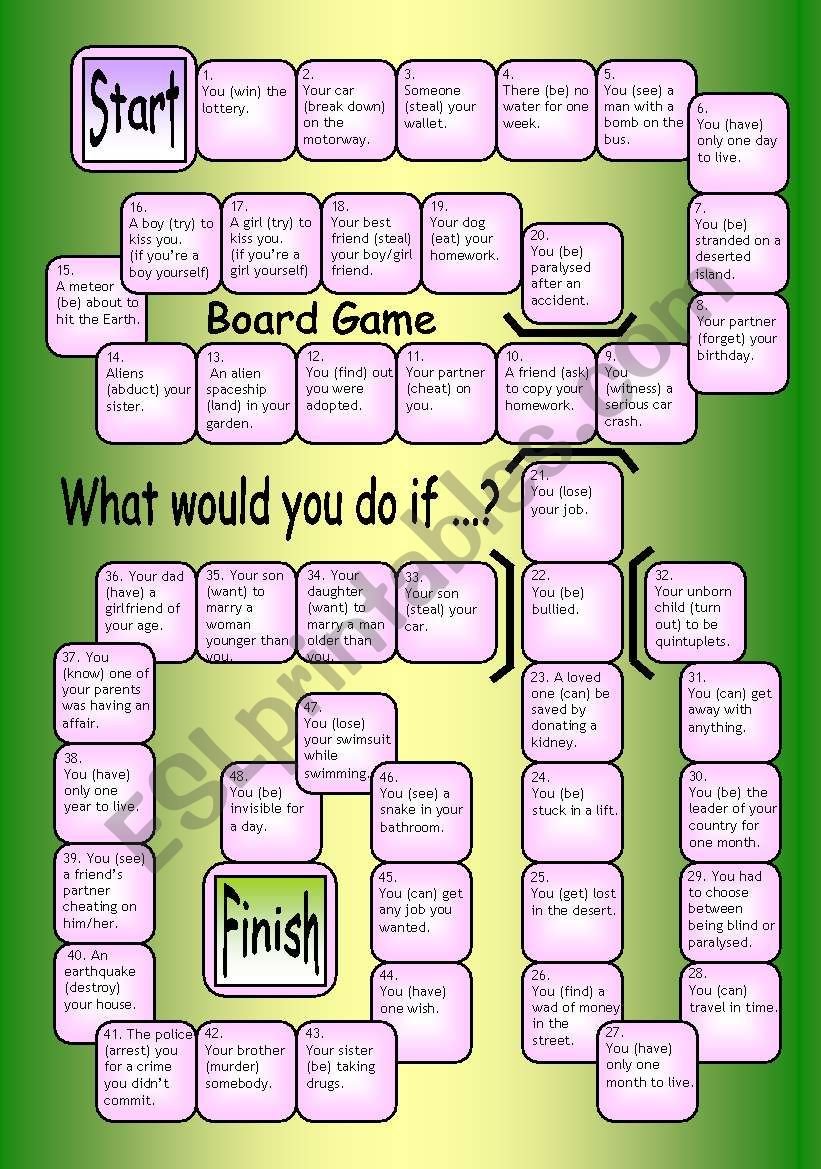
The “what would you do game” involves presenting hypothetical situations and asking how someone would respond.
Ever found yourself pondering tricky “what if” scenarios? The human mind loves these thought experiments, and that’s the heart of the engaging ‘what would you do game’. It’s a simple concept, really, where you face a dilemma and think through your potential actions.
Playing this game can reveal a lot about your values and decision-making processes. It offers a fun way to explore different perspectives and consider reactions that you might never have thought possible.

Exploring the Fun and Intrigue of the “What Would You Do Game”
Have you ever found yourself daydreaming about crazy scenarios and wondering how you’d react? Maybe you’ve pondered what you’d do if you suddenly had superpowers, or if you stumbled upon a hidden treasure. Well, that’s the heart of the “What Would You Do Game”! It’s a game where imagination runs wild, and there are no right or wrong answers. It’s all about exploring possibilities and thinking about your values. Let’s dive into what makes this game so engaging and how you can play it.
What Exactly is the “What Would You Do Game”?
The “What Would You Do Game” is a simple yet incredibly entertaining activity that revolves around posing hypothetical situations and asking how someone would respond. These scenarios can range from everyday dilemmas to wildly imaginative adventures. The goal isn’t to find the “best” answer but rather to understand how different people think, react, and make decisions. It’s a great way to spark conversations, get to know others better, and even learn a bit about yourself. This game is flexible and adaptable, making it suitable for playing with friends, family, or even in a classroom setting. There are many fun scenarios you can use to play this game.
Why is this Game so Popular?
Several reasons make the “What Would You Do Game” so well-loved. Firstly, it’s very easy to understand and play. There are no complicated rules or equipment needed – just your imagination! Secondly, it fosters creativity and critical thinking. Participants must consider different factors and potential outcomes before making a decision. It also allows for diverse perspectives, highlighting that there isn’t just one correct way to approach a situation. Lastly, the game encourages interaction and dialogue, building stronger relationships through shared experiences and understanding each other’s viewpoints. It’s a great conversation starter and an opportunity for some light-hearted fun.
Types of “What Would You Do” Scenarios
The beauty of this game lies in its flexibility. The types of scenarios you can use are limited only by your imagination. Here are some broad categories to get you started:
Everyday Dilemmas
These scenarios place you in familiar, relatable situations. They encourage you to think about your values and everyday decision-making skills. Some examples include:
- What would you do if you found a wallet on the street?
- What would you do if you accidentally broke something at a store?
- What would you do if a friend told you a secret you weren’t supposed to know?
- What would you do if you got the last piece of pizza and someone else wanted it?
Fantastical Situations
This category takes things up a notch, presenting scenarios that are imaginative and often impossible. This is where the fun really begins! Some examples include:
- What would you do if you had the ability to fly?
- What would you do if you could talk to animals?
- What would you do if you found a magical lamp with three wishes?
- What would you do if you woke up and you were invisible?
Moral and Ethical Challenges
These scenarios present complex situations that require deeper thought and consideration of right and wrong. They help explore your personal values and ethics. Some examples include:
- What would you do if you saw someone cheating on a test?
- What would you do if you found a large sum of money and no one was around?
- What would you do if you knew your friend was about to make a bad decision?
- What would you do if you discovered that a popular company was doing something harmful?
Humorous and Lighthearted Scenarios
Sometimes, the best scenarios are those that are simply silly and fun. These are great for generating laughs and a more relaxed atmosphere. Examples include:
- What would you do if you woke up and you had swapped bodies with your pet?
- What would you do if you could only speak in rhymes for a day?
- What would you do if your shoes suddenly started singing?
- What would you do if you found a talking pineapple?
How to Play the “What Would You Do Game”
Playing the “What Would You Do Game” is straightforward. Here’s a simple guide to get you started:
Gather Your Players
This game can be played with just two people, or with larger groups. Decide who will be participating. It’s a great activity for family gatherings, road trips, or even as a classroom icebreaker.
Choose a Scenario
Select a scenario that suits the participants’ age and interests. You can find pre-made scenario lists online, or come up with your own. You can either pick a scenario at random or decide on a theme before starting the game. Having a theme might make it easier to think up new scenarios.
Ask the Question
Clearly state the “What Would You Do” question to the first player. Make sure everyone understands the context of the situation.
The Player Responds
The first player then shares their answer. There’s no pressure to come up with a “perfect” response – the goal is to explore possibilities and express their thinking. The response can be brief or detailed. Encourage the player to explain their reasoning.
Discuss and Share
After each player answers, it’s a good idea to discuss different reactions and perspectives. This is where the learning and understanding really happen. It’s a great way to see how differently people think. The discussion can open up other perspectives about problem-solving and values that you might not have thought about before.
Rotate Turns
Continue taking turns asking “What Would You Do” questions to different players, making sure everyone has a chance to respond.
Keep it Engaging
To keep the game fun, be sure to vary the scenarios, encourage creativity, and most of all, be respectful of everyone’s answers. The more creative you are, the better the game becomes!
Benefits of Playing the “What Would You Do Game”
Beyond the fun factor, this game offers numerous benefits. These range from enhancing thinking skills to fostering empathy and understanding.
Boosts Critical Thinking Skills
This game makes you evaluate situations from various angles. You need to weigh the pros and cons of different options and consider the consequences of your actions. This process strengthens critical thinking, a key skill in everyday life and important for problem-solving.
Encourages Creative Thinking
Some “what if” scenarios will push your imagination and encourage you to think outside the box. This helps you generate unique ideas, which you can apply to many situations in life. It is also a great way to make the game more interesting.
Develops Communication Skills
When you articulate your choices and explain your reasons, you improve communication skills. The game provides a friendly platform to practice expressing yourself clearly and effectively. It also encourages active listening when you pay attention to the answers of others.
Promotes Empathy and Understanding
Hearing how others would react to a situation can be incredibly eye-opening. It helps you recognize that there are different approaches to any problem and that not everyone thinks the same way. This fosters empathy and a better understanding of others’ perspectives.
Builds Stronger Relationships
Sharing your thoughts and ideas through this game is a fun way to connect with others. You learn about each other’s values, fears, and hopes, which deepens your connections. Playing together is also a great way to make memories with friends and family.
Provides Entertainment and Fun
Ultimately, this game is meant to be fun! It provides a light-hearted and engaging way to pass the time, whether you’re waiting in line, on a long car ride, or at a party. It’s a great activity that is engaging for both kids and adults.
Tips for Making the Game More Interesting
To make your “What Would You Do” game even more enjoyable, try these tips:
- Vary the Scenarios: Don’t stick to the same kinds of questions. Mix up everyday dilemmas with crazy scenarios and moral challenges to keep things exciting. This will ensure that everyone stays interested.
- Add a Time Limit: Give players a set time (such as 30 seconds or a minute) to answer. This can make the game more intense and fun. It can also lead to some spontaneous and funny responses.
- Include “Why” Questions: After someone gives their answer, ask “why.” This encourages deeper thinking and discussion. For example, ask ‘Why would you choose that option?’. This allows people to explain their reasoning in more detail.
- Use Props or Visuals: For younger players, you can use props to act out scenarios or pictures to make the game even more visually interesting. If the scenario involves a treasure hunt, hide a small toy before asking the question.
- Personalize Scenarios: Tailor questions to the interests of the players. This makes the game more engaging. For example, if you know a friend loves space, ask them a “what if” question related to space exploration.
- Make it a Story: Build on the answers provided by players to create a collaborative story. This adds a creative twist to the game. For example, ask the players “What happened next?” based on the choices people made.
- Encourage Humorous Responses: Don’t be afraid to add funny twists to scenarios and ask for silly answers. This will definitely bring some laughter and fun to the game!
Adapting the Game for Different Ages
The “What Would You Do Game” is very versatile and can be adapted for different age groups:
For Younger Children
- Keep scenarios simple and easy to understand.
- Use props or drawings to illustrate situations.
- Focus on fun and silly scenarios.
- Make sure to praise their creativity and thinking.
For Older Children and Teens
- Introduce more complex ethical and moral scenarios.
- Encourage in-depth discussions about different viewpoints.
- Incorporate real-world situations and decision-making.
- Let them create their own scenarios to share.
For Adults
- Include thought-provoking and nuanced scenarios.
- Explore philosophical and psychological questions.
- Use the game as a tool for self-reflection and personal development.
- Enjoy the deeper levels of thinking and conversations.
The “What Would You Do Game” is more than just a simple activity; it’s a gateway to imagination, a catalyst for conversation, and a means to better understand ourselves and others. It encourages creative thinking, critical analysis, and a deeper appreciation for diverse perspectives. Whether you’re playing at a family gathering, a classroom, or even by yourself during a quiet moment, this game offers endless opportunities for entertainment and enrichment. So, gather your friends, think up some interesting scenarios, and get ready to explore the endless possibilities of “what if.”
Girl Gamer Harassed by Teen | What Would You Do? | WWYD
Final Thoughts
Exploring scenarios with the “what would you do game” can be quite insightful. It pushes your mind to consider different options. Playing this game with friends also offers fun and interesting discussions.
This game encourages quick thinking and creative problem solving. You must be ready for unexpected situations. It’s a lighthearted way to explore how we approach decisions.

