
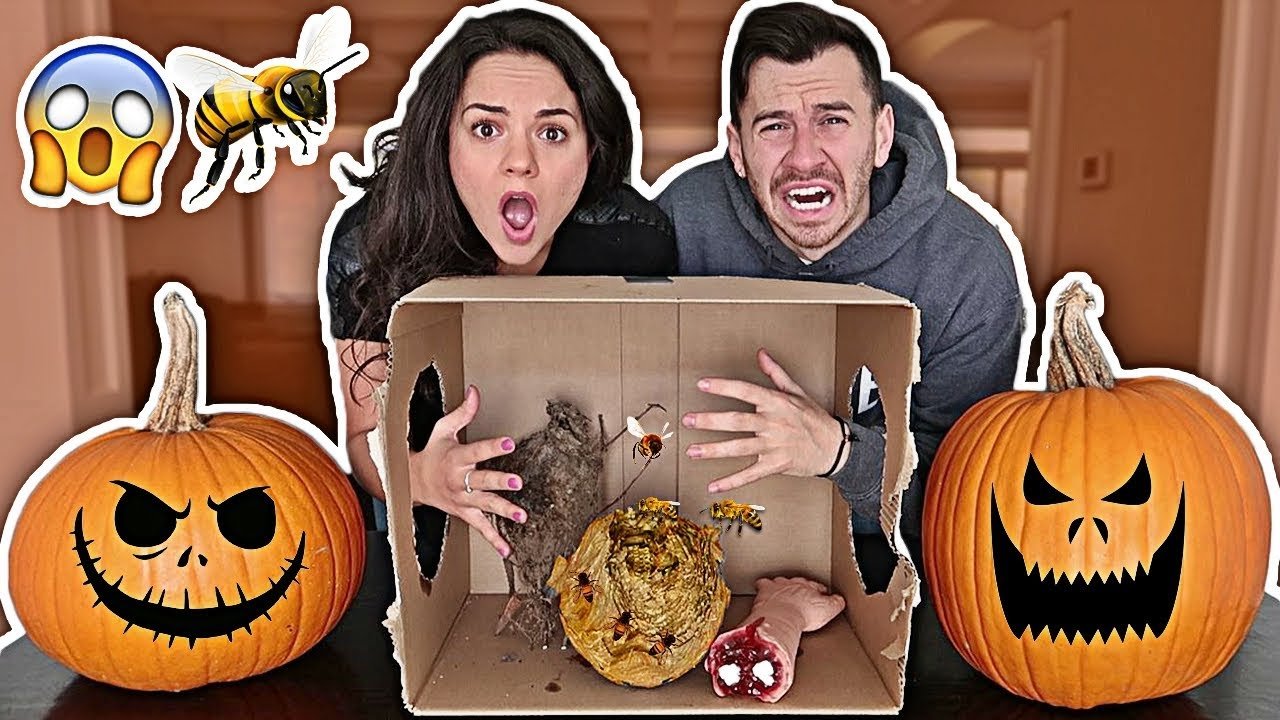
The “what’s in the box Halloween game” involves participants reaching into a box to feel mystery items, guessing what they are, often with spooky or gross themes.
Get ready for a thrilling activity! You can make your Halloween party unforgettable with a bit of mystery and fun. The “what’s in the box Halloween game” is a fantastic, easy-to-set-up activity that will have everyone on the edge of their seats.
This game requires simple items you likely already own or can easily grab. Think about items with interesting textures or shapes that can be used to give a spooky effect.

What’s in the Box Halloween Game: A Spooky Sensation
Let’s dive deep into the fun and frightful world of “What’s in the Box,” a classic Halloween game that’s sure to get everyone giggling (and maybe a little squeamish!). This isn’t your average party game; it’s a sensory adventure that plays on curiosity and a bit of friendly fear. The premise is simple: you have a box (or several!) filled with mysterious items, and participants have to reach in and guess what they’re touching without looking. It’s all about using your sense of touch and your imagination!
Why is “What’s in the Box” so Popular at Halloween?
The beauty of “What’s in the Box” lies in its simplicity and the sheer variety you can create. It’s not just a game; it’s an experience. Here’s why it’s such a hit for Halloween:
- It’s Spooky Fun: Halloween is all about spooky themes, and this game perfectly captures that vibe. The unknown contents of the box create a sense of anticipation and maybe even a little trepidation, adding to the fun. The gross-out factor makes it even more appealing for kids and even some adults.
- It’s Engaging for All Ages: Young kids love the tactile nature of the game, and older children enjoy the challenge of guessing. Even adults get in on the action, reliving a bit of childhood fun. The game scales beautifully for different ages.
- It’s Budget-Friendly: You don’t need expensive materials to play this game. You can use cardboard boxes you already have and fill them with items from around your house or with inexpensive items from a dollar store.
- It’s Adaptable: You can easily tailor the game to fit the age group and the overall theme of your party. Want to go super creepy? Use gross-out items! Want something more kid-friendly? Focus on textures and fun objects.
Getting Started: Setting Up Your “What’s in the Box” Game
Setting up your “What’s in the Box” game is easier than you think. Here’s what you’ll need and how to do it:
Materials:
- Boxes: You’ll need one or more boxes. Cardboard boxes of varying sizes work well. You can even decorate them to look like coffins, treasure chests, or anything spooky. Consider having multiple boxes if you have a large group of players. Shoe boxes are good for individual players or small groups, while larger boxes are great for passing around a group.
- Holes or Openings: Cut a hole on one side of each box that’s big enough for a hand to reach inside. Make sure the edges aren’t sharp. You can use an exacto knife to carefully cut the hole. If you have a group with very young players, be sure the hole isn’t so large that they could stick their whole arm inside the box. Alternatively, for younger children, you can leave the tops of the boxes open, covering them with a cloth, so that they can reach in, but not peek.
- Mystery Items: Here’s where the fun begins! Gather items with different textures, shapes, and sounds. Think creatively and consider your audience when selecting the items.
- Optional: Decorations for the boxes, Blindfolds for extra challenge (for older players).
Setting Up the Boxes:
- Prepare the Boxes: If you’re decorating, do that first. Make sure the boxes are sturdy enough to hold the items you’re using.
- Create the Holes: Carefully cut holes into each box. Be sure they are smooth, so no one gets scratched while playing.
- Fill the Boxes: Place your chosen mystery items inside each box. Try to arrange them in a way that someone can easily feel each one. Don’t overcrowd the boxes.
- Seal them up: If you are covering the boxes with a lid, be sure it is securely in place. if you are using cloth, make sure it is large enough to cover the hole and the edges of the box so no one can peek.
Brainstorming Mystery Items: The Core of the Game
The contents of your boxes are what make or break the game. Here are some ideas for items, categorized by the kind of sensation they evoke:
Squishy and Slimy Items:
- Cooked Spaghetti: Label it “brains” or “guts” for added effect.
- Peaches in a bowl with water: These feel soft and slippery, just like eyeballs.
- Jell-O: Cold, jiggly, and slightly disturbing. Try adding some plastic spiders for extra spook.
- Wet sponges: These feel cold and slimy to the touch
- Pea pods or Edamame: These provide an interesting texture that’s both squishy and firm.
- Aloe Vera: This is cool and slimy to the touch, a very odd and interesting experience.
Rough and Bumpy Items:
- Dried corn cobs: Create a unique bumpy sensation.
- Small Rocks or Pebbles: These are solid and easy to identify.
- Pine Cones: Another great bumpy, natural option.
- Dried beans or lentils: You can fill a small bag to create a unique texture.
Goofy and Unexpected Items:
- Fake spider webs: Light, soft, and slightly ticklish.
- Cotton balls: These are light, fluffy and soft.
- A feather: A very light and unique sensation.
- Toy Spiders or Bugs: Add some creepy crawlies into the mix for an extra scare.
- Gummy Worms: A squirmy snack to add to the game.
Spooky Sound Items:
- A small bag with crinkled paper: Creates a crackling, spooky sound.
- Jingle Bells: For a spooky jingling sound.
- A small wind-up toy that makes noise. A small toy that clicks or whirs can make a creepy noise.
- Rice or beans in a small bag or container: Creates a rattling sound when shaken
Bonus Tip
Think about adding a narrative element. For example, you could tell the players that they are touching something that came from a witch’s cauldron or a monster’s lair. This adds to the immersive nature of the game.
Playing the Game: Step-by-Step Guide
Now that your boxes are ready, it’s time to play! Here’s how to run your “What’s in the Box” game:
- Gather Participants: Have all players seated or standing comfortably around the boxes.
- Explain the Rules: Clearly explain that they need to reach inside the box, feel the item, and try to guess what it is without looking. Emphasize that they should handle the items gently.
- Take Turns: Let each participant take their turn reaching into a box. One at a time, have each participant put their hand into the box, feel the item, and guess what it is.
- Guessing Time: Players can guess aloud, or write their guesses down for scoring. They can provide one guess per turn or, if the player can not guess the item, let other players have a turn to make a guess.
- Reveal the Contents: Once everyone has had a turn (or when you want to end the game), reveal the contents of each box. You can also save this for the end of the game.
- Scoring: If you want to add a competitive element, give each player a point for every correct guess. Or if they are having fun and everyone is enjoying themselves, just let the fun be the reward!
Variations and Modifications for Maximum Fun
One of the best things about “What’s in the Box” is that you can easily customize it. Here are some variations to keep the game fresh and exciting:
Blindfolded Play
For an extra challenge, have players wear blindfolds while reaching into the box. This increases the reliance on touch and makes the game even more suspenseful. This is a great idea for older kids and adults.
Team Play
Divide participants into teams. Each team member takes a turn reaching into the box, and the team must guess the item together. This encourages collaboration and teamwork.
Themed Boxes
Create themed boxes around specific horror movie monsters, like vampires, werewolves, or ghosts. This adds another layer of storytelling to the game. You could include items such as fake fangs for a vampire box, or fake fur for a werewolf box.
Sensory Only Game
Have the players hold something to plug their noses or wear nose clips, and have them wear earplugs. This will reduce the number of ways the player can sense what they are holding, leaving only the touch sense as the input. This is a great way to challenge older players.
Time Limits
Set a time limit for each turn. This will increase the tension and make the game more thrilling.
“Gross-Out” Challenge
If your group is up for it, you can use only “gross-out” items like cooked noodles, peeled grapes, or cold, wet food items. This is sure to get laughs, and maybe a few screams!
Scavenger Hunt Twist
Combine “What’s in the Box” with a scavenger hunt. Give players clues that lead them to the boxes. This can make the game more interactive and exciting.
Safety Tips for a Spooktacular Experience
While “What’s in the Box” is a lot of fun, safety is important. Here are some tips to ensure everyone has a great and safe time:
- Choose Safe Items: Avoid items that are sharp, pointy, or toxic. Small items are also a hazard if younger players are involved.
- Check for Allergies: Be mindful of any allergies among the participants, especially when using food items.
- Supervise Play: Adult supervision is crucial, especially with younger children.
- Clean Up Promptly: Dispose of perishable or messy items right after the game.
- Make Sure the Holes in the Box are Smooth: If you cut the holes yourself, be sure there aren’t any sharp or ragged edges that can scratch players.
The Educational Benefits of “What’s in the Box”
Beyond the fun and frights, “What’s in the Box” offers several educational benefits, especially for younger children:
- Sensory Exploration: The game encourages the use of touch and exploration, important for sensory development.
- Vocabulary Building: Children can learn new words to describe different textures and shapes.
- Cognitive Development: The game helps develop critical thinking and problem-solving skills, as players have to guess what the item is.
- Creativity and Imagination: The game stimulates imagination and creativity, as participants try to make sense of the unknown.
The “What’s in the Box” Halloween game is more than just a fun party activity. It’s a tool for building social skills, developing sensory awareness, and sparking the imagination. With a little creativity and planning, you can create a memorable and engaging experience that will be talked about long after Halloween is over.
The excitement of the unknown, the giggles, and the slight shivers running down their spines – it’s what makes “What’s in the Box” a perfect Halloween treat! Remember to adjust the spookiness level to fit your audience, and you’re sure to create a Halloween tradition that will be enjoyed for years to come.
esl Halloween Games | What's in the Box? | The Singing Walrus
Final Thoughts
In short, “whats in the box halloween game” provides simple, spooky fun. This activity engages senses and imagination. It’s a must for any Halloween gathering, suitable for all ages.
You can easily adapt materials, making it as creepy or cute as you like. Therefore, make sure you grab some boxes this Halloween. This simple game promises laughs and a bit of thrilling mystery.

